
What the Grant Actually Buys
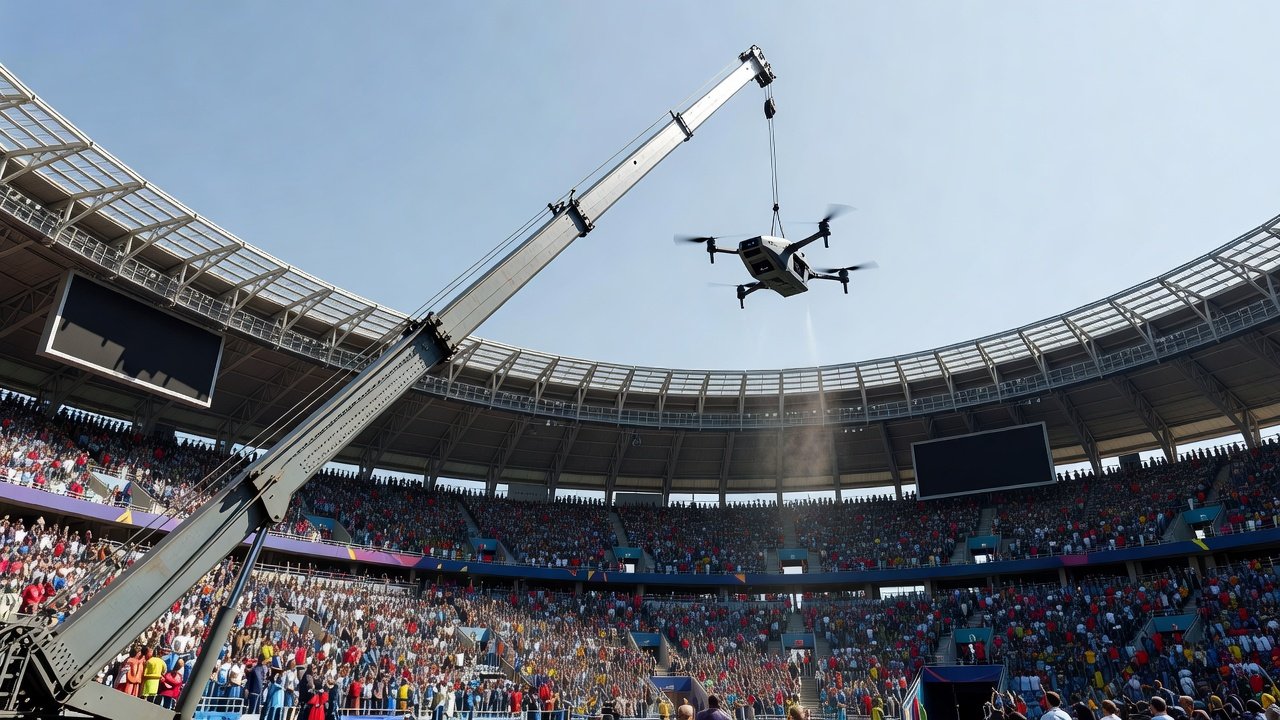
The Dallas City Council approved a $10.3 million FEMA grant Wednesday to expand Axon’s contract with counter-drone detection and mitigation ahead of the 2026 FIFA World Cup. This brings the total 10-year Axon deal from $267M to over $277M. The grant passed unanimously with zero discussion. Arlington’s AT&T Stadium hosts nine matches starting June 11, so this is serious airspace prep.
The money comes from DHS’s FEMA and covers real-time drone detection, tracking, identification, and pilot location using RF, radar, and camera systems. That capability is Dedrone technology—Axon acquired Dedrone in October 2024. The Dedrone stack fuses multiple sensors into a single tracker. It’s been deployed at stadiums, airports, and prisons for years. This is mature counter-UAS gear, not experimental kit. Dallas is buying the same stuff that works at major venues worldwide.
The Axon deal originally covered body cams, in-car cameras, interview-room recording, Tasers, and evidence software. Now it adds airspace security. Dallas is consolidating its public safety stack under one vendor. For pilots, this means the counter-drone systems we see at events are becoming standard. RF-based detection can ID our control links, so flying near stadiums during World Cup requires extra caution. The system isn’t just passive—it can locate the pilot.
The Dedrone platform uses RF sensors, radar, optical cameras, and acoustic inputs. It can detect and track UAS within a certain radius. For FPV pilots, this means protocols like ELRS or Crossfire can be identified if they’re not properly secured. However, most consumer and hobbyist drones will trigger alerts. The system is designed for stadium environments where 5.8GHz VTX signals are common. It’s not about stopping FPV, but about protecting airspace.
The Axon Stack Keeps Growing
Dallas authorized a 10-year cooperative purchasing agreement with Axon in 2022. The scope covered body-worn cameras, in-car cameras, interview-room recording, electronic control weapons, and the software tying it all together. That’s the standard Axon bundle most large American cities run now. This week’s grant adds airspace security, continuing a pattern of vendor consolidation. Axon entered the drone business as a Skydio reseller and bought Dedrone the same year for the counter-UAS side.
Today Axon sells body cams, Tasers, in-car video, evidence management, AI report generation, robotic responders, drones, and counter-drone. If a department is already on Axon for evidence software, adding any new module has low marginal cost. Procurement is fast, integration is built-in, training overlaps. That’s the gravitational pull of a single-vendor stack. Dallas is leaning into it hard. For FPV pilots, this means counter-drone tech is getting cheaper and more widespread.
The $10.3M is federal money, but it funnels directly to a vendor already embedded in the city’s operations. The unanimous vote with no discussion shows how routine these expansions have become. The structural question is whether one company should hold this much vertical share of public safety. For the FPV community, the takeaway is that counter-drone detection is becoming standard at large events, and our flying spots may shrink. But it also highlights the growing importance of responsible flying and awareness of authorized zones.
Dallas’s expanded Axon contract now covers use-of-force, video, evidence management, drones, and counter-drone. That’s a lot of trust in one vendor. The technology itself is solid—Dedrone’s multi-sensor approach is proven. But the consolidation makes it easy for cities to add counter-drone without thinking about alternatives. For hobbyists, this means more cities will have the tools to enforce no-fly zones. We need to stay informed and fly only where we’re allowed.
Federal Coverage Doesn’t Stretch That Far
FEMA earmarked over $220 million in counter-UAS grants across 11 host states for the World Cup. That money covers detection, mitigation, training, and operations across stadiums, fan festivals, training venues, and critical infrastructure for the 39 days of competition. It sounds like a lot, but spread across all venues and days, it gets thin. The FBI’s directly commanded counter-drone force for all 11 host cities runs about 60 trained officers—roughly five or six per metro area.
That gap is why local agencies are spending real money on their own programs. Texas DPS pulled $3.2 million for the Sky Shield program with mitigation authority over AT&T Stadium. Arlington Police, who patrol the stadium directly, don’t yet have independent counter-drone infrastructure and lean on DPS for it. Dallas’s $10.3 million sits on top of all that. The vendor is Axon, which already runs the city’s evidence and video systems. Integration is seamless.
For FPV pilots, this patchwork of federal and local counter-drone efforts means no-fly zones aren’t just bureaucratic signs—they’re backed by real detection and mitigation gear. RF-based detection can pick up our control links, and radar can track even small quads. The Dedrone system can also triangulate pilot location, which means if you’re flying near a stadium, you could get a visit. The World Cup matches are in the summer; plan your flights accordingly and respect TFRs.
The gap between federal coverage and local needs creates a market for companies like Dedrone. For the FPV community, this means counter-drone tech is here to stay. It’s not about stopping hobbyists, but about securing events. As builders, we should advocate for clear communication from authorities about where and when we can fly. Understanding these systems helps us stay safe and avoid trouble. The grant is approved, the matches are coming, and the airspace will be managed.
Quick Facts
- •💡 Dallas approved $10.3M FEMA grant for Axon counter-drone system for World Cup.
- •💡 Total Axon contract now over $277M, originally $267M for body cams, Tasers, evidence software.
- •💡 Dedrone tech fuses RF, radar, camera, and acoustic sensors for drone detection and pilot location.
- •💡 FBI has only about 60 trained counter-drone officers for 11 host cities.
- •💡 Texas DPS has $3.2M Sky Shield program for AT&T Stadium; Arlington Police rely on state for counter-drone.