
Understanding Quadcopter Connector Types
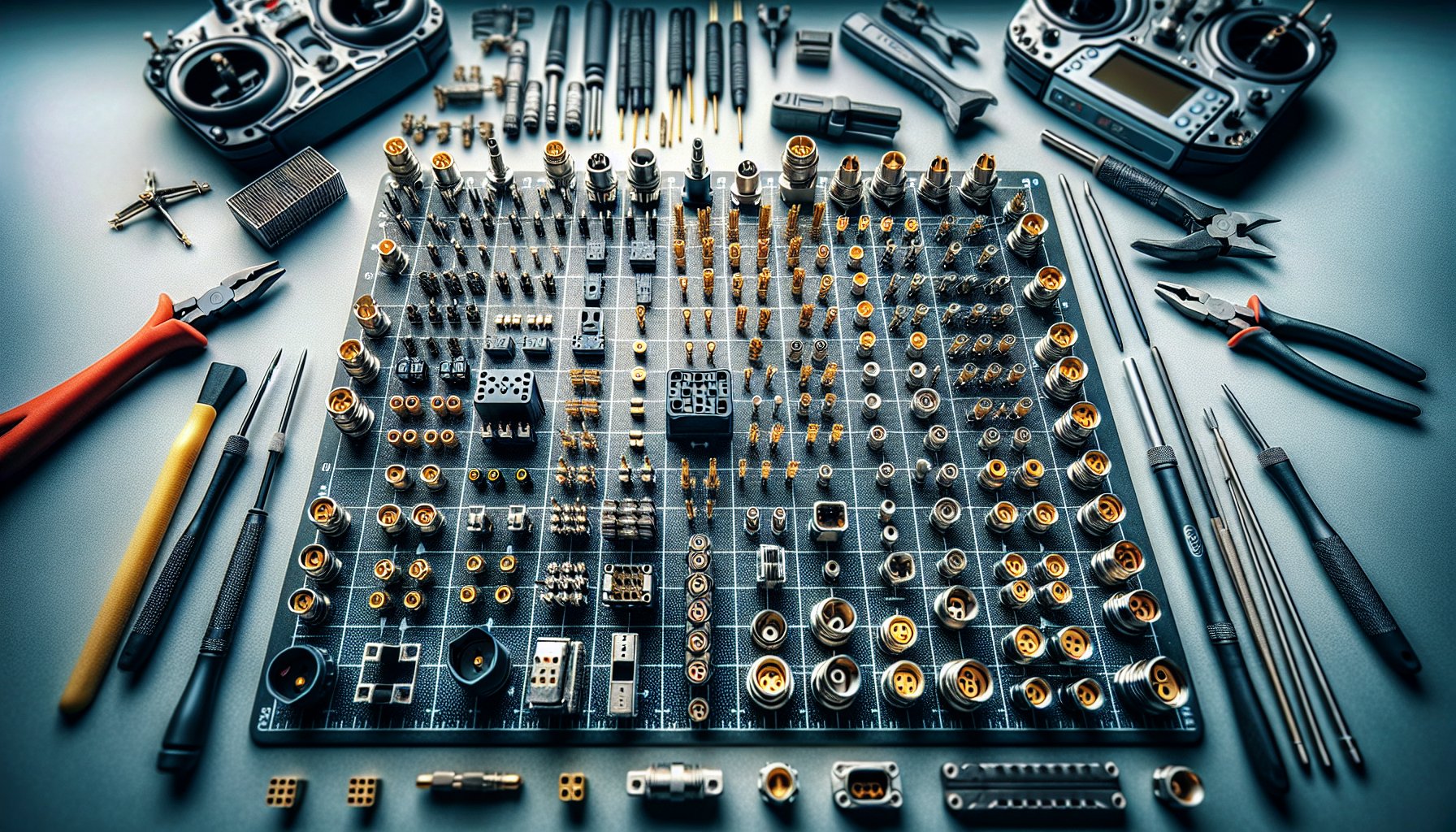
FPV quadcopters rely on numerous connector types to link components like batteries, motors, cameras, and video transmitters. Each connector serves specific purposes based on current requirements, signal types, and mechanical constraints. Power connectors handle high-amperage battery connections, while signal connectors manage low-voltage communications between flight controllers and peripherals. Understanding these distinctions prevents costly mistakes during builds and repairs. The most common power connectors include XT60, XT30, and JST variants, each rated for different current loads. Signal connectors encompass JST-SH, Dupont, and specialized camera connectors. Choosing appropriate connectors affects flight performance, reliability, and maintenance ease. This quadcopter connector guide covers essential connector knowledge for successful FPV builds.
Connector selection impacts weight, durability, and electrical efficiency in racing and freestyle quadcopters. High-current applications demand robust connectors with low resistance to minimize voltage drops and heat generation. Racing pilots prioritize lightweight options that maintain secure connections during aggressive maneuvers. Freestyle pilots need connectors that withstand crashes while providing reliable power delivery. Build complexity increases with connector variety, but proper selection simplifies wiring and reduces failure points. Quality connectors cost more initially but prevent mid-flight failures and component damage. Cheap alternatives often feature poor contact materials, inadequate strain relief, and inconsistent manufacturing tolerances. Professional builders stock multiple connector types to accommodate various component combinations and upgrade paths.
Power Connectors for Battery and ESC Connections
XT60 connectors dominate high-current applications in 5-inch and larger quadcopters due to their 60-amp continuous rating and secure locking mechanism. These yellow connectors feature gold-plated contacts that resist corrosion and maintain low resistance over thousands of connection cycles. The polarized design prevents reverse polarity connections that could damage expensive electronics. XT60s handle 3S to 6S battery packs commonly used in racing and freestyle applications. Their robust construction withstands crash impacts and provides reliable connections during high-G maneuvers. Installation requires proper soldering technique to avoid overheating the plastic housing. Many pilots prefer XT60s for main battery connections while using smaller connectors for auxiliary power needs.
XT30 connectors offer similar reliability in a smaller package, making them ideal for micro and toothpick builds where weight matters. These purple connectors handle 30 amps continuously, sufficient for most 2-3 inch quadcopters and whoop-style builds. The reduced size saves precious grams while maintaining the XT series’ proven design principles. JST connectors serve various power applications, from tiny 1S whoop batteries to 4S packs in larger builds. JST-PH 2.0mm connectors commonly connect flight controller power, while JST-XH balancing connectors monitor individual cell voltages. Understanding JST variants prevents confusion during component selection and wiring. Each variant features different pin spacing, current ratings, and mechanical properties suited to specific applications.
Choosing the Right Power Connector Size
Power connector selection depends on maximum current draw, available space, and weight constraints in your quadcopter build. Calculate total system current by adding motor current at maximum throttle, plus electronics consumption. Add 20% safety margin to account for current spikes during aggressive flying. 5-inch racing quads typically draw 80-120 amps at full throttle, requiring XT60 or equivalent connectors. Smaller builds like 3-inch quads rarely exceed 40 amps, making XT30 connectors suitable. Micro builds under 100 grams benefit from JST-PH or micro JST connectors that minimize weight penalties. Consider connector availability and compatibility with existing batteries and chargers. Standardizing on common connector types simplifies field repairs and component swapping between multiple quadcopters.
Video and Signal Connectors for FPV Systems
FPV video transmission requires specialized RF connectors that maintain signal integrity at high frequencies. SMA connectors dominate video transmitter and receiver applications due to their threaded coupling that provides secure connections and excellent shielding. These connectors handle frequencies from 1.2GHz to 5.8GHz commonly used in FPV systems. SMA connectors feature 50-ohm impedance matching that minimizes signal reflections and power loss. The threaded design prevents accidental disconnection during crashes or vibration. Male SMA connectors typically mount on video transmitters, while female connectors attach to antennas. Reverse polarity SMA (RP-SMA) variants exist but create compatibility issues with standard equipment. Quality SMA connectors use gold-plated contacts and precision machining for consistent performance.
MMCX connectors offer space-saving alternatives for applications where SMA size becomes problematic. These tiny snap-on connectors maintain 50-ohm impedance while occupying minimal board space. MMCX connectors commonly appear on compact video transmitters and diversity receivers where multiple antenna connections are required. The push-on design enables quick antenna changes but provides less mechanical security than threaded SMA connectors. U.FL connectors serve internal connections between RF components where permanent attachment is desired. These micro-coaxial connectors require careful handling due to their fragile construction. Repeated connection cycles can damage the delicate contacts, making them unsuitable for field-serviceable applications. Understanding RF connector impedance matching prevents signal degradation and transmitter damage.

Camera and Gimbal Connectors
FPV cameras typically use JST-SH 1.0mm connectors for power and video output connections. These tiny connectors accommodate the limited space available on micro camera boards while providing reliable connections for power, ground, and composite video signals. The small pitch requires careful soldering to avoid bridging adjacent pins. Some cameras feature hardwired pigtails instead of connectors to save space and weight. Action cameras like GoPros use proprietary connectors that require specific adapter cables for integration with FPV systems. HD recording systems often employ HDMI micro connectors for digital video output. Understanding camera connector pinouts prevents damage during installation and enables custom cable fabrication when commercial options are unavailable.
Flight Controller and Peripheral Connectors
Modern flight controllers employ various connector types to interface with motors, sensors, and control systems. ESC signal connections typically use standard servo connectors with 2.54mm pin spacing, compatible with PWM and digital protocols like DShot. These three-pin connectors carry signal, power, and ground connections between flight controllers and ESCs. Some flight controllers integrate ESC connections via direct solder pads or specialized connectors that reduce wiring complexity. Receiver connections vary by protocol, with traditional PWM systems using individual servo connectors for each channel. Modern digital protocols like SBUS, Crossfire, and ExpressLRS require single-wire connections using JST-SH or similar micro connectors. GPS modules commonly connect via JST-GH or JST-SH connectors carrying power, ground, TX, and RX signals.
Sensor connections include barometers, magnetometers, and optical flow devices that enhance flight performance and autonomous capabilities. I2C and SPI protocols dominate sensor communications, requiring specific connector types that maintain signal integrity. Some sensors integrate directly onto flight controller boards, while others connect via ribbon cables or individual wire connections. Telemetry systems use various connector types depending on the specific protocol and hardware implementation. SmartPort telemetry employs JST-SH connectors, while other systems may use different standards. Understanding flight controller connector layouts and pinouts enables proper component selection and custom wiring harness fabrication. Quality connectors with gold-plated contacts ensure reliable data transmission in high-vibration environments.
Motor and Propeller Connections
Brushless motors connect to ESCs via three-phase power connections that typically use bullet connectors, solder joints, or integrated plugs. 3.5mm and 4mm bullet connectors dominate motor connections due to their low resistance and secure mechanical coupling. Gold-plated bullets resist corrosion and maintain low contact resistance over time. The removable design enables motor replacement without ESC modifications. Some integrated systems eliminate connectors entirely, using direct solder connections between motors and ESCs to reduce weight and resistance. Motor timing and rotation direction can be adjusted by swapping any two motor wires, making connector standardization less critical than power applications. Quality motor connectors handle high currents without overheating or creating voltage drops that reduce flight performance.
Connector Installation and Maintenance Tips
Proper connector installation requires appropriate tools, techniques, and safety precautions to ensure reliable connections. Soldering represents the most common installation method, demanding temperature-controlled irons and quality solder for consistent results. Use flux to promote proper solder flow and prevent cold joints that create high resistance connections. Heat shrink tubing protects solder joints from moisture and mechanical stress while providing strain relief. Crimp connectors offer alternatives to soldering for specific applications, requiring proper crimping tools and techniques. Poor crimps create intermittent connections that cause system failures during flight. Pre-tinning wire ends before connector attachment improves solder joint quality and reduces installation time. Clean connector surfaces with alcohol to remove manufacturing residues and ensure optimal contact.
Regular connector maintenance prevents failures and extends component life in demanding FPV applications. Inspect connectors for corrosion, mechanical damage, and loose connections during routine maintenance intervals. Clean gold-plated contacts with appropriate solvents to remove oxidation and debris. Replace damaged connectors immediately to prevent cascading failures that could affect multiple systems. Apply dielectric grease to outdoor-exposed connectors to prevent moisture ingress and corrosion. Store spare connectors and installation supplies to enable field repairs and emergency fixes. Document connector types and pinouts for complex builds to simplify troubleshooting and modifications. Quality tools and materials justify their cost through improved reliability and reduced maintenance requirements over time.
Frequently Asked Questions
What’s the difference between XT60 and XT30 connectors?
XT60 connectors handle 60 amps continuously and suit larger quadcopters (5-inch and up), while XT30 connectors are rated for 30 amps and work better for smaller builds where weight matters. Both use the same reliable design with gold-plated contacts.
Can I use SMA connectors for all FPV video connections?
SMA connectors work excellently for video transmitter and antenna connections, but cameras typically use JST-SH connectors due to size constraints. Always match connector impedance (50-ohm) for RF applications to prevent signal loss.
How do I choose the right power connector for my build?
Calculate your quad’s maximum current draw (motor current plus electronics), add 20% safety margin, then select connectors rated above that value. XT60 for high-current builds, XT30 for medium builds, JST variants for micro builds.
Why do my connectors keep failing during crashes?
Poor solder joints, inadequate strain relief, or using connectors beyond their current rating causes failures. Use proper soldering technique, heat shrink tubing, and quality connectors rated for your application’s demands.
What tools do I need for connector installation?
Essential tools include a temperature-controlled soldering iron, quality solder, flux, heat shrink tubing, and wire strippers. For crimp connectors, invest in proper crimping tools rather than using pliers for reliable connections.
Ready to Build Your Perfect FPV Setup?
Choosing the right connectors is crucial for reliable FPV performance, but it’s just one piece of the puzzle. Whether you’re planning your first build or upgrading an existing quad, our team can help you select the perfect components and avoid costly mistakes. Contact us today for personalized build advice and component recommendations tailored to your flying style and budget.