
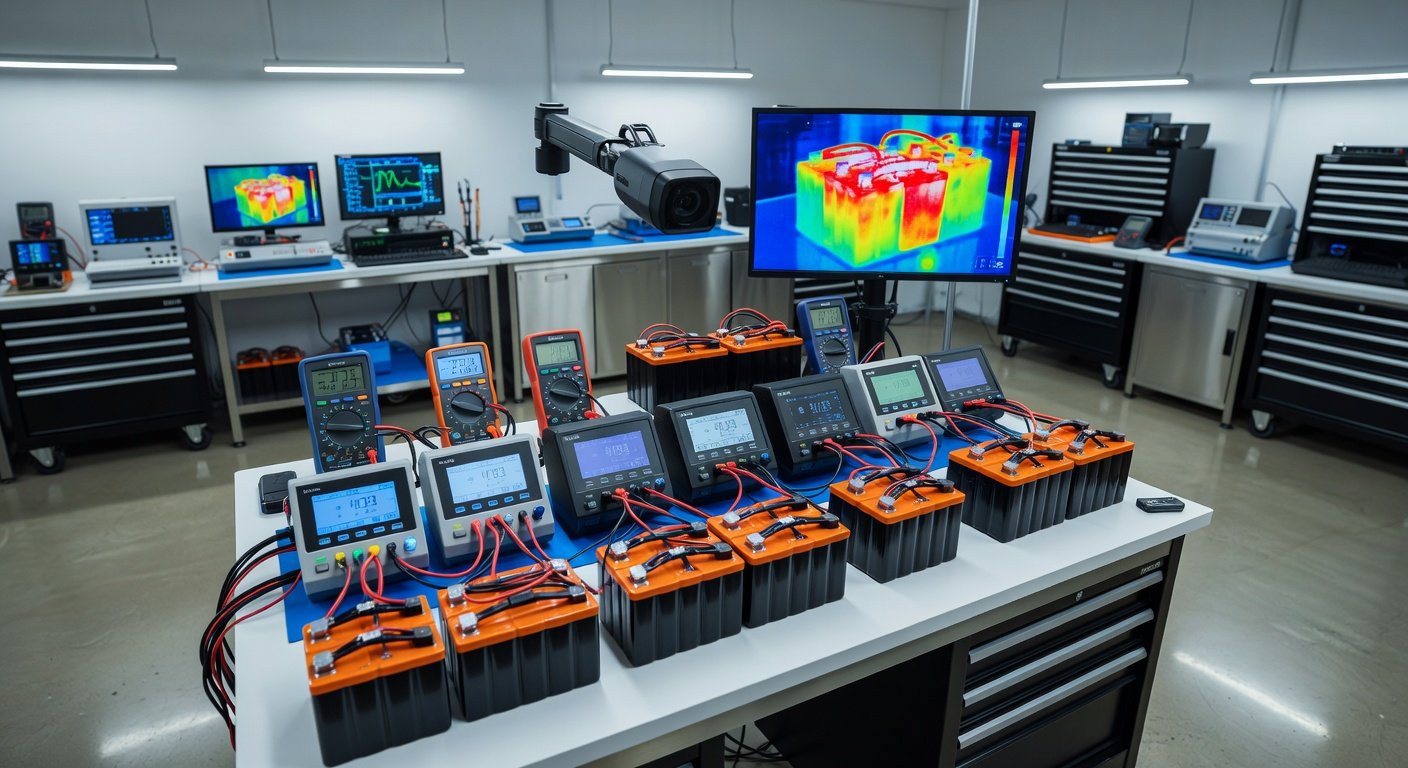
Understanding LiPo Battery Container Testing Fundamentals
LiPo battery container testing represents a critical safety practice for FPV drone pilots who want to maximize battery performance while preventing catastrophic failures. This comprehensive testing approach involves evaluating both the physical container integrity and the electrical characteristics of your batteries under controlled conditions. The container itself serves as the first line of defense against thermal runaway, electrolyte leakage, and mechanical damage during high-stress flight operations. Professional FPV racers and freestyle pilots rely on systematic testing protocols to identify weak batteries before they fail mid-flight, potentially causing crashes or fire hazards.
The testing process encompasses multiple evaluation methods, from visual inspection of the battery housing to sophisticated electrical testing using specialized equipment. Modern LiPo containers feature advanced polymer construction designed to withstand the extreme demands of racing quadcopters, but manufacturing defects, age-related degradation, and crash damage can compromise their integrity. Effective container testing protocols help pilots maintain peak performance while adhering to safety standards required at racing events and flying fields. Understanding these fundamentals allows pilots to develop systematic approaches that protect both equipment investments and flight safety.
Physical Container Inspection Methods
Physical inspection forms the foundation of comprehensive lipo battery container testing, requiring systematic evaluation of external housing, connector integrity, and structural soundness. Begin by examining the battery shrink wrap for cuts, punctures, or heat damage that could expose internal cells to moisture or impact damage. Pay particular attention to corners and edges where crash impacts typically occur, as these areas often show the first signs of container compromise. Check for swelling or puffing, which indicates internal cell damage and potential thermal runaway risk. Any visible deformation of the container shape suggests internal pressure buildup that requires immediate battery retirement.
Connector inspection involves checking balance lead wires for fraying, corrosion, or loose connections that could cause voltage imbalances during charging or discharge cycles. Examine the main power leads for heat damage, particularly near the connector where high current draw can cause overheating. Look for signs of electrolyte leakage, which appears as white crystalline deposits around seams or damaged areas. Document any findings with photos and battery serial numbers to track degradation patterns across your battery fleet. Professional pilots often use UV lights to detect early signs of electrolyte seepage that may not be visible under normal lighting conditions.

Advanced Visual Assessment Techniques
Advanced visual assessment techniques for lipo battery container testing extend beyond basic inspection to include specialized tools and methodologies used by professional racing teams. Thermal imaging cameras can detect hot spots within battery containers that indicate internal resistance issues or cell imbalances not visible through standard inspection. These thermal signatures often appear before physical swelling becomes apparent, providing early warning of potential failures. Microscopic examination of connector solder joints reveals stress fractures that develop from repeated high-current discharge cycles common in racing applications. Professional teams also employ precision calipers to measure container dimensions, tracking gradual expansion that precedes catastrophic swelling events.
Electrical Testing Protocols for LiPo Containers
Electrical testing protocols provide quantitative data about battery performance and safety characteristics that complement physical inspection methods. Capacity testing involves fully charging the battery to 4.2V per cell, then discharging at a controlled rate while monitoring voltage curves and measuring actual capacity against manufacturer specifications. Use a quality battery analyzer or computerized charger with discharge capabilities to perform these tests safely. Record both peak capacity and the voltage curve shape, as healthy batteries maintain consistent voltage throughout most of the discharge cycle before dropping rapidly near depletion. Degraded batteries show earlier voltage sag and reduced total capacity, indicating internal resistance increases that affect flight performance.
Internal resistance testing reveals cell health more accurately than capacity measurements alone, as resistance increases precede capacity loss in aging batteries. Professional-grade battery analyzers can measure individual cell resistance, helping identify weak cells within multi-cell packs before they cause balance issues. Temperature monitoring during discharge testing ensures containers can handle thermal stress without compromising safety. Perform tests at room temperature initially, then repeat at elevated temperatures to simulate summer flying conditions. Document all measurements in a battery log that tracks performance degradation over time, enabling predictive maintenance schedules that prevent in-flight failures.
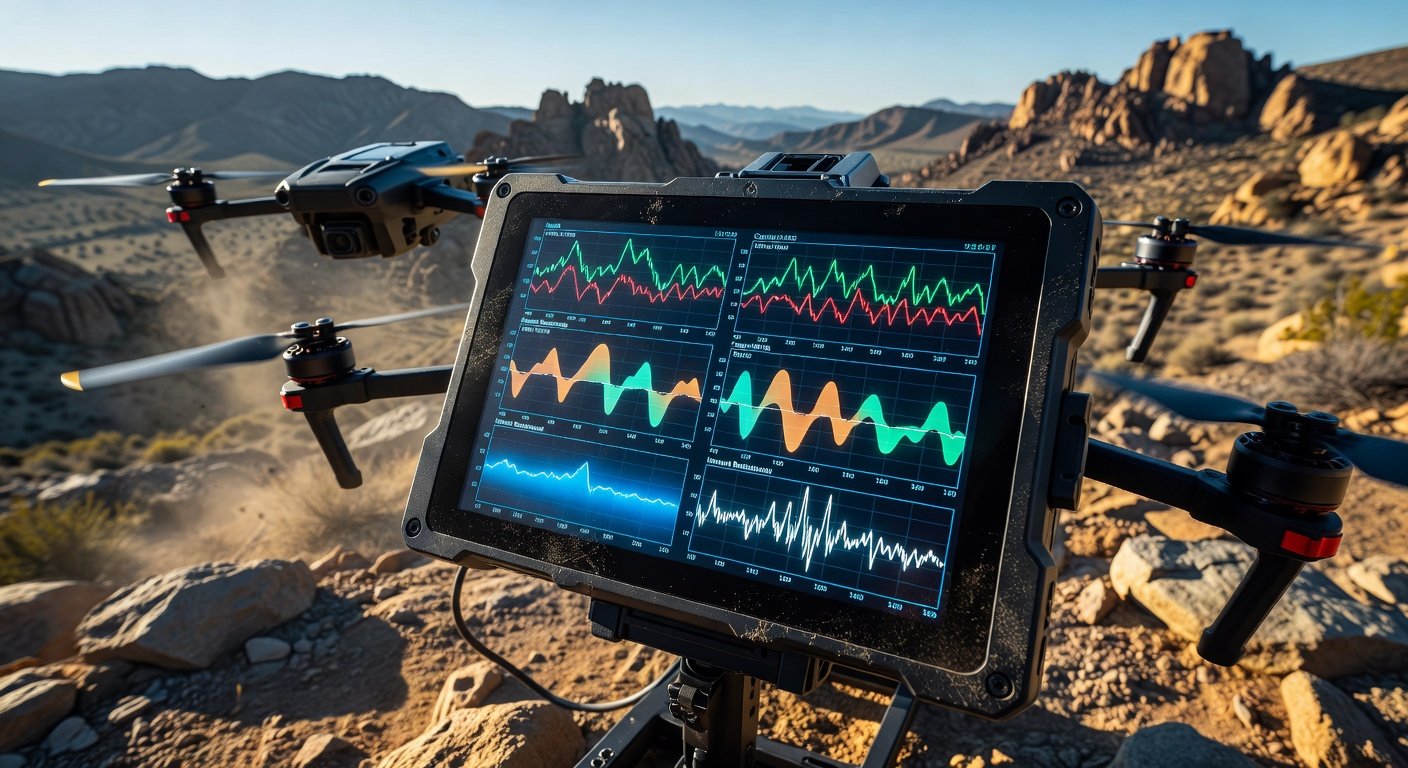
Storage Voltage Testing and Maintenance
Storage voltage testing represents a crucial aspect of lipo battery container testing that directly impacts long-term battery health and safety. The optimal storage voltage for LiPo batteries ranges between 3.8V and 3.85V per cell, with most manufacturers recommending 3.8V as the target for extended storage periods. This voltage level minimizes chemical degradation while preventing over-discharge damage that occurs below 3.0V per cell. Test storage voltage using a precision voltmeter or balance charger display, checking each cell individually to identify imbalances that indicate internal problems. Batteries that cannot maintain storage voltage over several weeks may have internal leakage or cell damage requiring retirement from active service.
Safety Testing Under Load Conditions
Safety testing under load conditions simulates real-world flight stresses to evaluate container integrity during high-current discharge events typical of FPV racing and freestyle flying. Controlled load testing involves discharging batteries at rates equivalent to full-throttle flight conditions while monitoring container temperature and voltage stability. Professional testing setups use electronic loads capable of drawing 50-100 amps continuously, matching the power demands of high-performance racing quadcopters. Monitor container surface temperature using infrared thermometers or thermal cameras, as excessive heating indicates internal resistance problems that could lead to thermal runaway. Healthy batteries should maintain relatively cool container temperatures even under maximum load conditions.
Vibration testing evaluates container durability under the mechanical stresses encountered during aggressive flying maneuvers. Mount batteries in test fixtures that simulate quadcopter mounting systems, then subject them to controlled vibration frequencies matching propeller and motor harmonics. This testing reveals loose internal connections or structural weaknesses that could cause failures during flight. Professional racing teams often perform drop tests from controlled heights to simulate crash impacts, checking for container damage or internal cell displacement. Any battery that fails load testing or shows signs of thermal instability should be immediately retired from flight use and disposed of according to local hazardous waste regulations.
Temperature Cycling and Thermal Stress Testing
Temperature cycling tests evaluate container performance across the full range of environmental conditions encountered during outdoor flying sessions. Subject batteries to controlled temperature changes from freezing conditions up to 40°C (104°F) while monitoring voltage stability and physical integrity. Cold temperature testing reveals electrolyte performance limitations and container flexibility issues that could cause cracking in winter flying conditions. Heat testing simulates summer storage in vehicles or direct sunlight exposure, identifying containers prone to thermal expansion problems. Professional testing protocols include multiple thermal cycles to accelerate aging effects and identify batteries with shortened service life expectations.
Documentation and Record Keeping Systems
Comprehensive documentation systems form the backbone of effective lipo battery container testing programs, enabling pilots to track performance trends and make informed decisions about battery retirement. Create detailed logs that record purchase dates, initial capacity measurements, cycle counts, and all testing results for each battery in your fleet. Modern battery management apps can automate much of this record keeping, providing graphical displays of performance degradation over time. Include photos of physical inspection results, particularly any damage or wear patterns that develop during service. Professional racing teams often use barcode systems to quickly identify batteries and access their complete service history during pre-flight preparations.
Testing frequency recommendations vary based on usage intensity, with racing pilots typically performing comprehensive tests every 25-50 cycles, while recreational pilots may extend intervals to 50-100 cycles. Document any unusual events such as crashes, over-discharge incidents, or charging problems that could affect battery reliability. Establish clear retirement criteria based on capacity loss percentages, internal resistance increases, or physical damage thresholds. Most professional pilots retire batteries when capacity drops below 80% of original specifications or when internal resistance increases beyond manufacturer tolerances. Proper documentation helps identify problematic battery brands or models, informing future purchasing decisions and improving overall fleet reliability.
Frequently Asked Questions
Is storage voltage 3.8 or 3.85 for LiPo batteries?
The optimal storage voltage for LiPo batteries is 3.8V per cell, though 3.85V is also acceptable. Most manufacturers recommend 3.8V as it minimizes chemical degradation during long-term storage while preventing over-discharge damage. This voltage maintains cell stability without causing stress from overcharging.
What is the 40 80 rule for lithium batteries?
The 40-80 rule suggests keeping lithium batteries between 40% and 80% charge for daily use to maximize lifespan. For LiPo batteries, this translates to approximately 3.7V to 4.0V per cell. This range reduces stress on the cells compared to full charge cycles while maintaining adequate capacity for most applications.
How do you test LiPo battery capacity accurately?
Test LiPo capacity by fully charging to 4.2V per cell, then discharging at a controlled rate (typically 1C) while measuring total energy output. Use a quality battery analyzer or computerized charger with discharge capability. Compare results to manufacturer specifications to determine capacity retention and overall battery health.
Is 14.8V considered overcharging for a 4S LiPo?
No, 14.8V is not overcharging for a 4S LiPo battery. The maximum safe voltage is 16.8V (4.2V × 4 cells). At 14.8V, each cell averages 3.7V, which is within normal operating range. However, always check individual cell voltages to ensure proper balance.
How often should I perform container testing on my FPV batteries?
Perform comprehensive container testing every 25-50 cycles for racing batteries or 50-100 cycles for recreational use. Visual inspections should occur before each flying session, while electrical testing can be scheduled based on usage intensity. Document all results to track degradation patterns over time.
Need Professional Battery Testing Guidance?
Proper LiPo battery container testing requires expertise and the right equipment to ensure flight safety. Our team of experienced FPV technicians can help you develop comprehensive testing protocols tailored to your specific flying style and battery fleet. Contact us today to learn about professional battery testing services and safety consultation programs designed for serious FPV pilots.