

Understanding Brushless Motor Basics for FPV
Brushless motors represent the heart of modern FPV drones, providing the power and precision needed for aggressive freestyle maneuvers and competitive racing. Unlike their brushed counterparts, these motors eliminate physical contact between rotating and stationary components, resulting in dramatically improved efficiency, longevity, and performance characteristics. The absence of brushes means reduced friction, minimal maintenance requirements, and consistent power delivery throughout the motor’s lifespan. For FPV pilots seeking maximum flight time and reliable performance, brushless motors have become the undisputed standard across all quad configurations from tiny whoops to heavy-lifting cinewhoops.
The fundamental advantage of brushless technology lies in its electronic commutation system, which precisely controls the timing and sequence of electromagnetic field switching. This electronic control enables variable speed regulation, regenerative braking capabilities, and optimal power-to-weight ratios that directly translate to superior flight characteristics. Modern brushless motors for FPV applications typically feature neodymium magnets, high-grade copper windings, and precision-balanced rotors that can sustain rotational speeds exceeding 40,000 RPM while maintaining smooth operation. Understanding these core principles helps pilots make informed decisions when selecting motors that match their specific flying style, whether prioritizing raw power for racing or smooth control for cinematic footage.
Motor Size Classifications and Applications
FPV brushless motors follow a standardized naming convention that immediately communicates their physical dimensions and performance characteristics. The four-digit designation system, such as 2205 or 2306, indicates the stator diameter and height in millimeters respectively. The first two digits represent the stator diameter, while the final two indicate the stator height, providing crucial information about the motor’s power potential and torque characteristics. Larger stator diameters generally produce higher torque output, while increased height accommodates more copper windings for enhanced power generation. This systematic approach allows pilots to quickly identify compatible motors for their specific frame sizes and performance requirements.
Common motor sizes serve distinct purposes within the FPV ecosystem, with 1404 motors powering lightweight 3-inch builds, 2205 motors dominating 5-inch racing quads, and 2306 or larger motors driving freestyle and cinematic applications. The relationship between motor size and propeller compatibility directly influences flight characteristics, with smaller motors excelling at high-speed directional changes and larger motors providing superior thrust for carrying additional equipment or executing power-intensive maneuvers. Frame manufacturers typically specify recommended motor mounting patterns and size ranges, ensuring proper clearance for propellers while maintaining optimal center of gravity positioning for balanced flight dynamics.
Popular Motor Sizes for Different Frame Classes
Three-inch frames typically utilize 1404 or 1505 motors, offering exceptional agility and indoor flying capabilities while maintaining reasonable flight times. These compact motors excel in tight spaces and provide responsive control for technical flying, making them ideal for pilots developing fundamental skills or flying in confined environments. Five-inch racing configurations predominantly feature 2205 or 2207 motors, striking an optimal balance between power output and efficiency for competitive racing scenarios. The 2205 format has become the gold standard for racing applications, providing sufficient thrust for aggressive acceleration while maintaining reasonable current draw for extended racing sessions. Freestyle and cinematic builds often employ 2306, 2405, or even larger motors to generate the substantial thrust required for dynamic maneuvers, inverted flight, and carrying additional camera equipment without compromising flight performance or stability.
KV Rating Selection for Your Flying Style
The KV rating represents a motor’s velocity constant, indicating the theoretical RPM increase per volt applied under no-load conditions. This specification directly influences propeller selection, flight characteristics, and overall system efficiency when paired with specific battery voltages and propeller configurations. Higher KV motors spin propellers faster but typically consume more current, while lower KV motors provide greater torque for larger propellers and more efficient power conversion. Understanding the relationship between KV rating, propeller pitch, and battery voltage enables pilots to optimize their setups for specific applications, whether prioritizing top speed for racing or efficiency for extended flight sessions.
Racing applications typically benefit from higher KV motors in the 2300-2700 range, enabling rapid acceleration and high-speed maneuvers with smaller, aggressive propeller profiles. These motors pair effectively with 4S or 6S battery systems and tri-blade or aggressive bi-blade propellers designed for maximum thrust and quick directional changes. Freestyle flying often utilizes moderate KV ratings between 1900-2400, providing balanced performance characteristics that support both dynamic maneuvers and controlled flight for filming applications. Cinematic and long-range configurations favor lower KV motors in the 1400-1900 range, maximizing efficiency with larger propellers and enabling extended flight times while carrying additional equipment like HD cameras or GPS modules.
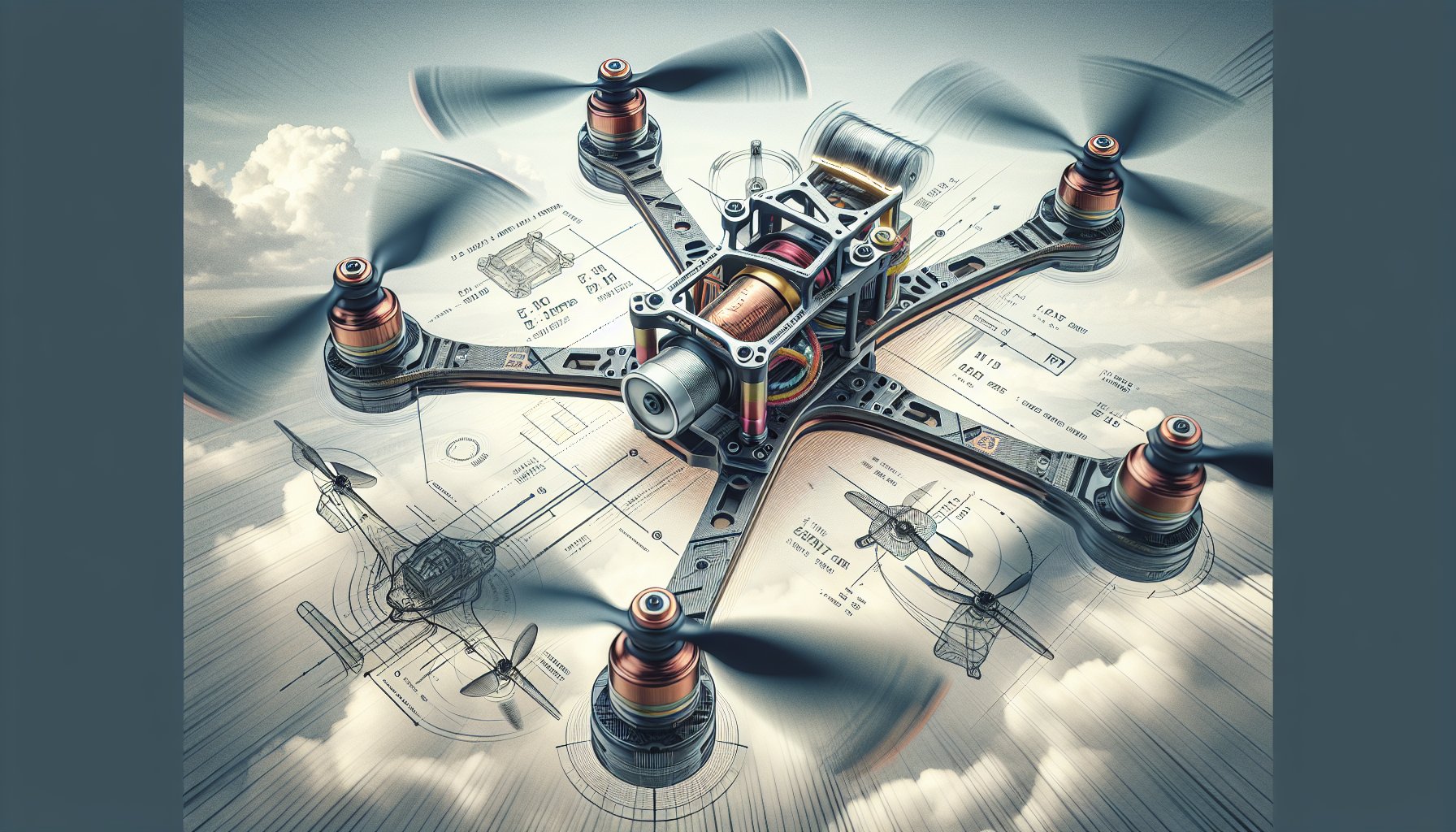
KV Rating Guidelines for Common Configurations
For 5-inch racing quads running 4S batteries, KV ratings between 2300-2600 provide optimal performance with 5040 or 5045 racing propellers, delivering explosive acceleration and competitive top speeds. Pilots flying 6S systems should consider motors in the 1700-2000 KV range to prevent excessive current draw and maintain reasonable operating temperatures during aggressive flying sessions. Freestyle builds benefit from slightly lower KV motors around 2000-2400 on 4S systems, providing sufficient power for dynamic maneuvers while maintaining smooth control characteristics essential for creative flying and aerial cinematography. Long-range and efficiency-focused builds achieve optimal results with KV ratings below 2000, enabling the use of larger, more efficient propellers that maximize flight time and reduce overall system stress during extended missions.
Top Brushless Motor Brands and Models
The FPV motor market features several established manufacturers known for producing reliable, high-performance brushless motors tailored to different flying applications and budget requirements. T-Motor stands as a premium brand offering exceptional build quality, precise manufacturing tolerances, and consistent performance across their extensive product lineup, though at higher price points that reflect their engineering excellence. EMAX provides excellent value propositions with their Red Bottom and Eco series motors, delivering solid performance and reliability at competitive prices that appeal to budget-conscious builders and beginners. Brotherhobby has gained recognition for innovative designs and competitive racing motors, while brands like iFlight, Racerstar, and GepRC offer diverse options spanning entry-level to professional-grade applications.
When evaluating motor brands, consider factors beyond initial cost, including warranty support, replacement part availability, and community feedback from pilots with similar flying styles and applications. Premium brands typically offer superior quality control, consistent specifications between units, and better long-term reliability that justifies higher upfront investment for serious pilots. Budget-friendly options can provide excellent performance for recreational flying and learning applications, though they may exhibit greater unit-to-unit variation and shorter operational lifespans. Reading detailed reviews, consulting community forums, and considering the total cost of ownership, including potential replacement frequency, helps identify the best value proposition for your specific needs and flying intensity.
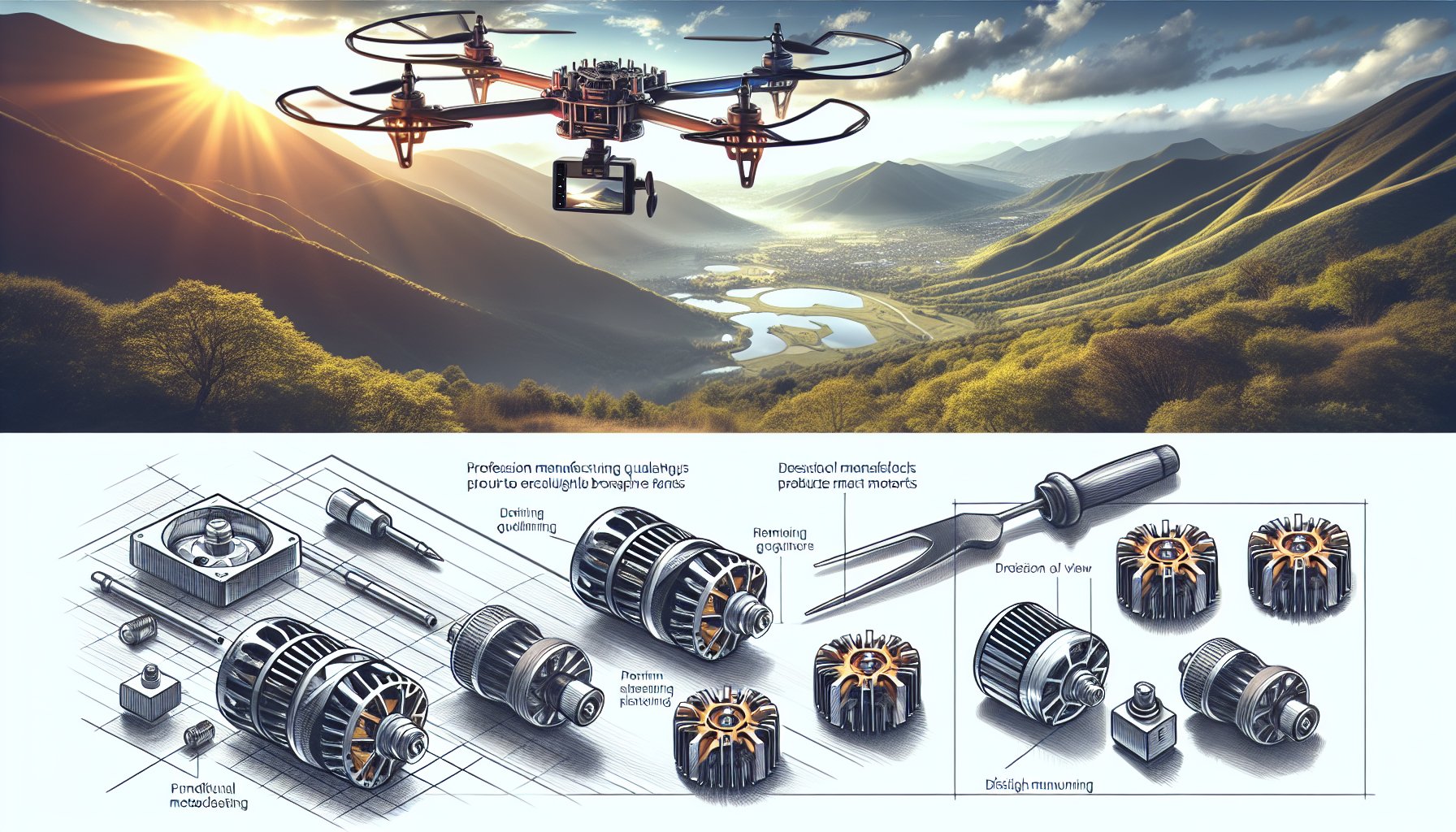
Recommended Models by Application
For competitive racing applications, the T-Motor F40 Pro III and EMAX Red Bottom 2205 series represent excellent choices, offering consistent performance, reliable operation under stress, and proven track records in competitive environments. Freestyle pilots often gravitate toward the Brotherhobby Returner R5 2306 or iFlight XING series motors, which provide the robust power output and smooth operation characteristics essential for creative flying and aerial cinematography. Budget-conscious builders should consider the EMAX Eco series or Racerstar BR2205 motors, which deliver respectable performance at accessible price points while maintaining reasonable build quality for recreational flying applications. Cinematic and long-range builds benefit from efficient motors like the T-Motor F1507 or similar designs optimized for extended flight times and smooth operation with larger propeller configurations.
Motor Specifications and Performance Metrics
Understanding motor specifications enables informed purchasing decisions and optimal system integration for specific flying applications and performance requirements. Key specifications include maximum power output, efficiency ratings, operating current ranges, and thermal characteristics that directly impact flight performance and component longevity. Maximum power output, typically measured in watts, indicates the motor’s peak performance capability, while efficiency ratings reveal how effectively the motor converts electrical energy into mechanical thrust. Operating current specifications help pilots select appropriate electronic speed controllers and battery systems, while thermal ratings indicate the motor’s ability to dissipate heat during intensive flying sessions without performance degradation or component damage.
Weight considerations significantly impact overall quad performance, with lighter motors improving power-to-weight ratios and flight agility, while heavier motors may provide superior durability and heat dissipation capabilities. Shaft diameter specifications determine propeller compatibility and mounting requirements, with most FPV motors featuring standard 5mm shafts suitable for popular propeller designs. Bearing quality and type influence operational smoothness and longevity, with premium motors typically featuring high-grade ball bearings that maintain precise tolerances throughout extended use. Magnet strength and winding quality directly affect power output and efficiency, with stronger neodymium magnets and high-grade copper windings delivering superior performance characteristics that justify premium pricing for serious applications.
Critical Specifications to Compare
When comparing motors, prioritize specifications that directly impact your intended application, including thrust-to-weight ratios, efficiency curves, and thermal performance under sustained load conditions. Thrust testing data, when available, provides valuable insights into real-world performance with specific propeller combinations and battery voltages, enabling accurate performance predictions for your particular setup. Current consumption specifications help determine battery requirements and flight time expectations, while maximum continuous current ratings indicate the motor’s ability to sustain high power output during aggressive flying maneuvers. Temperature rise characteristics reveal thermal management capabilities, with motors featuring superior heat dissipation maintaining consistent performance during extended flying sessions and reducing the risk of thermal-related failures or performance degradation.
Installation and Compatibility Considerations
Proper motor installation requires attention to mounting patterns, clearance requirements, and electrical connections to ensure reliable operation and optimal performance characteristics. Most FPV frames utilize standard 16x16mm or 19x19mm mounting patterns, though some specialized applications may require different configurations or custom mounting solutions. Motor height considerations affect propeller clearance and overall quad aesthetics, with taller motors potentially requiring frame modifications or alternative component arrangements. Electrical connections should utilize high-quality bullet connectors or direct soldering techniques to minimize resistance and ensure reliable power transfer, while proper wire management prevents damage from propeller strikes or vibration-induced fatigue.
ESC compatibility represents a critical consideration, with motor specifications determining appropriate electronic speed controller selection for optimal performance and reliability. Current ratings must exceed motor requirements by appropriate safety margins, while ESC protocols should match motor control requirements for smooth operation and precise throttle response. Propeller selection directly influences motor performance and longevity, with properly matched combinations delivering optimal thrust characteristics while preventing excessive current draw or thermal stress. Frame clearance considerations include propeller diameter restrictions, motor wire routing requirements, and access for maintenance or replacement procedures that may be necessary during the quad’s operational lifespan.
Common Installation Challenges and Solutions
Motor mounting challenges often arise from frame tolerance variations, requiring careful attention to screw length selection and thread engagement to prevent damage to motor bells or frame components. Vibration isolation techniques, including proper screw torque specifications and thread-locking compounds, help maintain secure mounting while preventing loosening during flight operations. Wire management solutions should accommodate motor rotation while preventing interference with propellers or other components, often requiring careful routing through frame arms or specialized wire guides. Balancing considerations become critical with larger motors, as even minor imbalances can create significant vibrations that affect flight characteristics and component longevity, necessitating careful attention to propeller selection and mounting procedures.
Frequently Asked Questions
How do I choose a brushless motor for my drone?
Select motors based on your frame size, flying style, and battery voltage. Match motor size to frame specifications (2205 for 5-inch racing, 2306 for freestyle), choose KV rating appropriate for your battery (2300-2600 KV for 4S racing, 1700-2000 KV for 6S), and consider thrust requirements for your intended application.
What KV rating do I need for a 5 inch quad?
For 5-inch quads, use 2300-2600 KV motors with 4S batteries for racing applications, or 1700-2000 KV motors with 6S batteries for more power. Freestyle builds work well with 2000-2400 KV on 4S systems, while efficiency-focused builds benefit from lower KV ratings around 1400-1900.
What is the difference between 2205 and 2306 motors?
The numbers indicate stator dimensions in millimeters. 2205 motors have 22mm diameter and 5mm height, while 2306 motors have 22mm diameter and 6mm height. The taller 2306 motors provide more torque and power output, making them better for freestyle flying and carrying additional equipment.
What brands make the best FPV brushless motors?
Top brands include T-Motor for premium quality, EMAX for excellent value, and Brotherhobby for racing performance. iFlight, GepRC, and Racerstar offer good options across various price points. Choose based on your budget, application, and desired performance characteristics.
How long do brushless motors last in FPV drones?
Quality brushless motors typically last 100-200 flight hours with proper maintenance and reasonable flying conditions. Lifespan depends on flying style, crash frequency, maintenance practices, and motor quality. Racing and aggressive freestyle flying may reduce lifespan, while gentle flying and regular cleaning extend motor life.
Ready to Upgrade Your FPV Setup?
Choosing the right brushless motors transforms your FPV experience, whether you’re chasing lap times on the race track or creating cinematic masterpieces in the sky. Our team of experienced pilots and builders can help you select the perfect motor combination for your specific needs and flying style. Contact us today for personalized recommendations and expert guidance on building your ultimate FPV machine.