
What Makes a Cinewhoop Different from Other FPV Drones
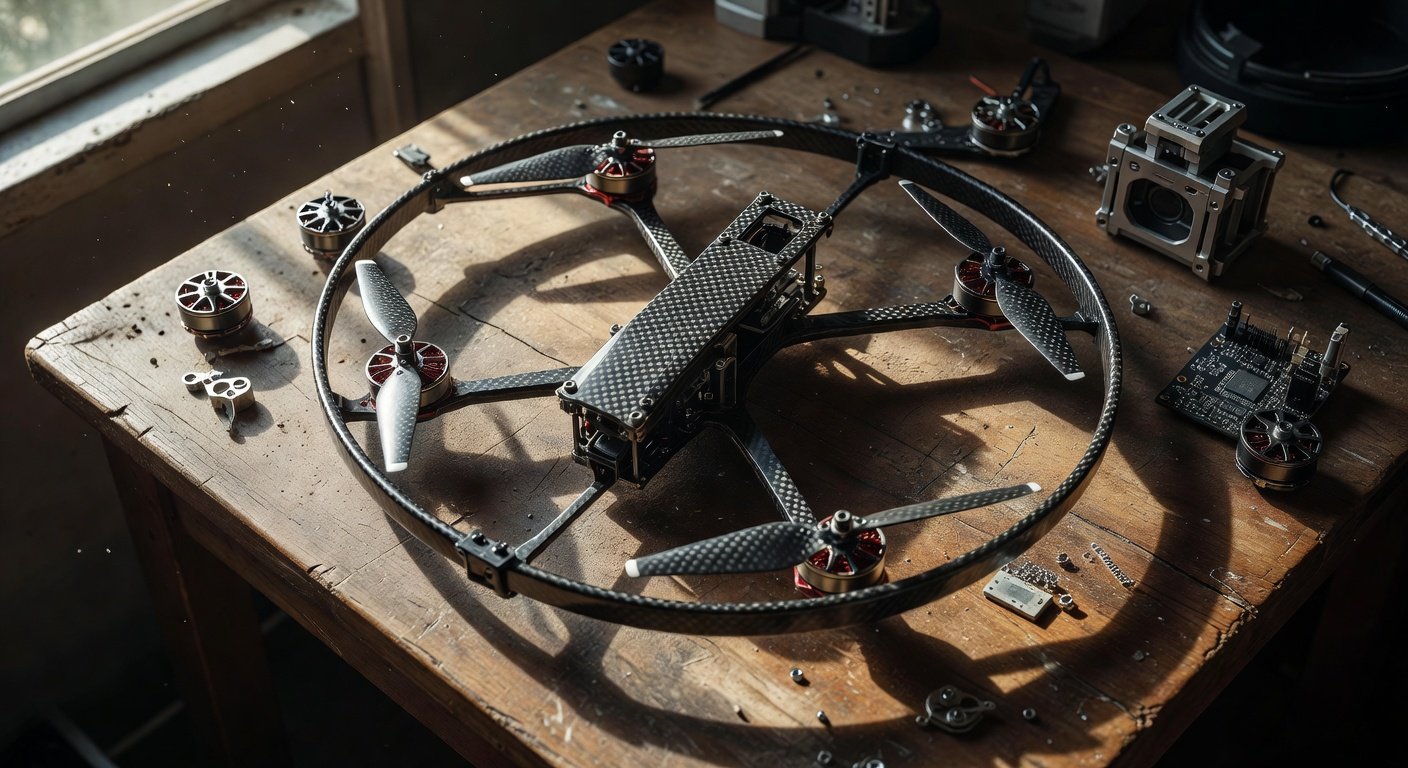
Cinewhoop drones occupy a unique niche in the FPV world, bridging the gap between agile racing quads and stable camera platforms. The defining characteristic of any cinewhoop lies in its ducted propeller design, where protective guards completely encircle each rotor. This distinctive frame geometry serves multiple purposes: protecting both the aircraft and surrounding objects during close-proximity flights, reducing noise output for indoor operations, and enabling safer navigation through tight spaces. Unlike traditional freestyle or racing drones that prioritize raw speed and agility, cinewhoops sacrifice some performance for versatility and safety, making them ideal for capturing smooth cinematic footage in environments where conventional FPV drones would be impractical or dangerous.
The frame construction of cinewhoops typically features a wider stance and lower profile compared to racing frames, accommodating the prop guards while maintaining structural integrity. Most cinewhoop frames range from 3-inch to 5-inch configurations, with the sweet spot being around 3.5 to 4 inches for optimal balance between maneuverability and stability. The ducted design also affects aerodynamics, creating unique flight characteristics that pilots must adapt to. While the prop guards add weight and slightly reduce efficiency, they enable flights through narrow doorways, around delicate objects, and in crowded indoor spaces where traditional open-prop designs would pose significant risks to both equipment and bystanders.
Motor Sizing and Power Systems for Cinewhoop Builds
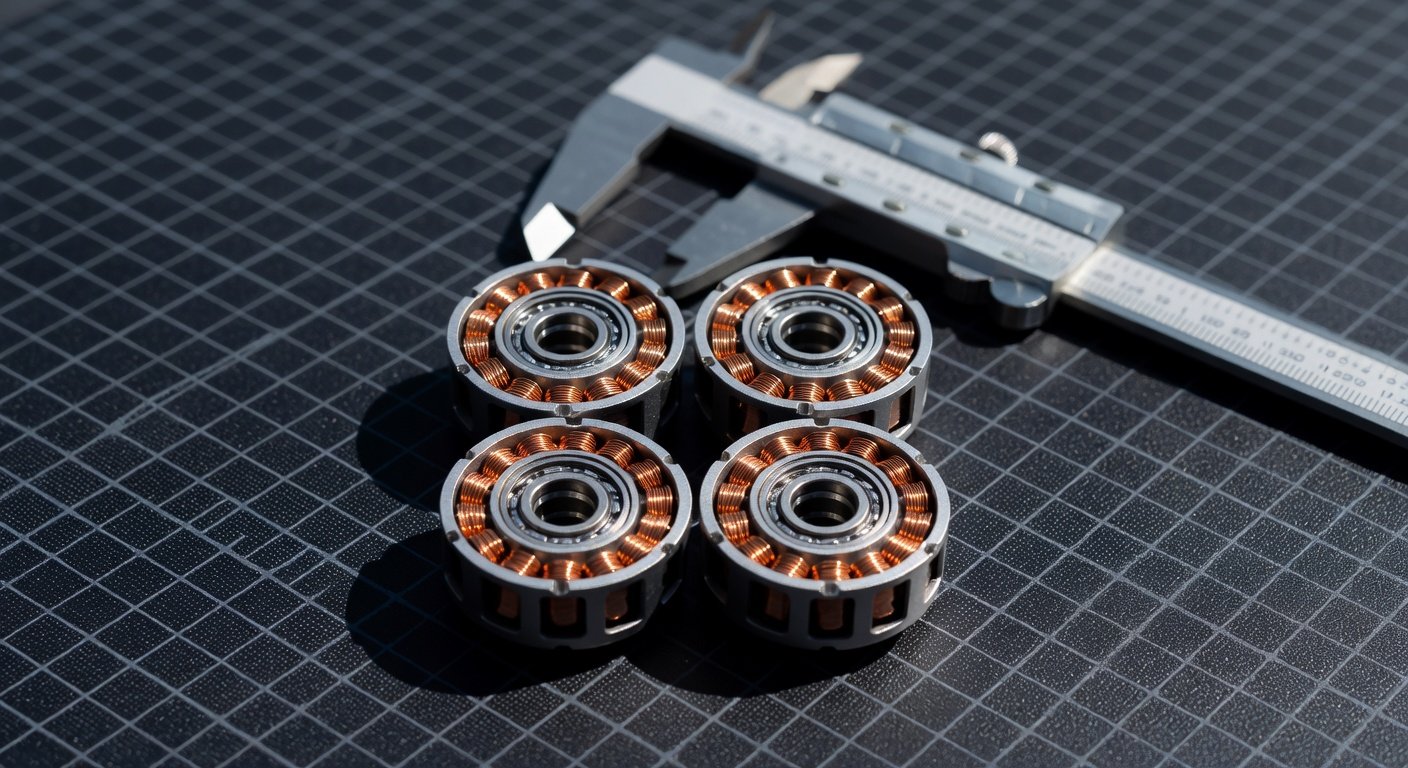
Motor selection represents one of the most critical decisions in cinewhoop construction, with sizes typically ranging from 1404 to 1507 configurations. The four-digit motor designation indicates stator dimensions: the first two digits represent diameter in millimeters, while the last two indicate height. For cinewhoops, 1404 motors provide excellent efficiency and adequate power for lighter builds, making them ideal for indoor flying where extended flight times matter more than raw thrust. Moving up to 1505 or 1507 motors delivers increased power output, essential when carrying heavier camera payloads like action cameras or when flying larger 5-inch cinewhoop configurations outdoors.
The enclosed propeller design of cinewhoops creates unique loading characteristics that affect motor selection. Ducted props generate different thrust curves compared to open propellers, typically requiring slightly more aggressive motor timing and potentially higher KV ratings to maintain responsive throttle control. Most successful cinewhoop builds utilize motors in the 2800-3600 KV range, depending on battery voltage and intended use case. Lower KV motors paired with higher cell counts provide smoother power delivery ideal for cinematic work, while higher KV options offer snappier response for more dynamic flying styles. Battery selection typically favors 4S configurations for optimal balance between flight time and performance, though some pilots prefer 6S setups for increased headroom when carrying substantial camera equipment.
Propeller Considerations for Ducted Designs
Propeller selection for cinewhoops requires careful consideration of the ducted environment and specific performance goals. The enclosed design creates different airflow patterns compared to open props, often benefiting from slightly higher pitch angles to maintain efficiency within the duct. Popular choices include Gemfan Hurricane series props specifically designed for ducted applications, or HQProp options that provide excellent thrust-to-noise ratios. The gap between propeller tips and duct walls significantly impacts performance, with optimal clearances typically ranging from 2-4mm. Tighter tolerances improve efficiency but increase the risk of prop strikes during aggressive maneuvers, while larger gaps reduce performance but provide safety margins for less experienced pilots.
Camera Payload Options and Mounting Solutions
Camera selection dramatically influences cinewhoop design and performance characteristics, with options ranging from lightweight naked action cameras to full-sized GoPros and even micro cinema cameras. Naked GoPro configurations, where the camera housing is removed to reduce weight, represent the most popular choice for serious cinematic work. This approach saves 20-30 grams compared to housed versions while maintaining full recording capabilities, though it sacrifices weather protection and requires careful handling. The weight savings directly translate to improved flight characteristics, longer flight times, and reduced stress on motors and ESCs during extended filming sessions.
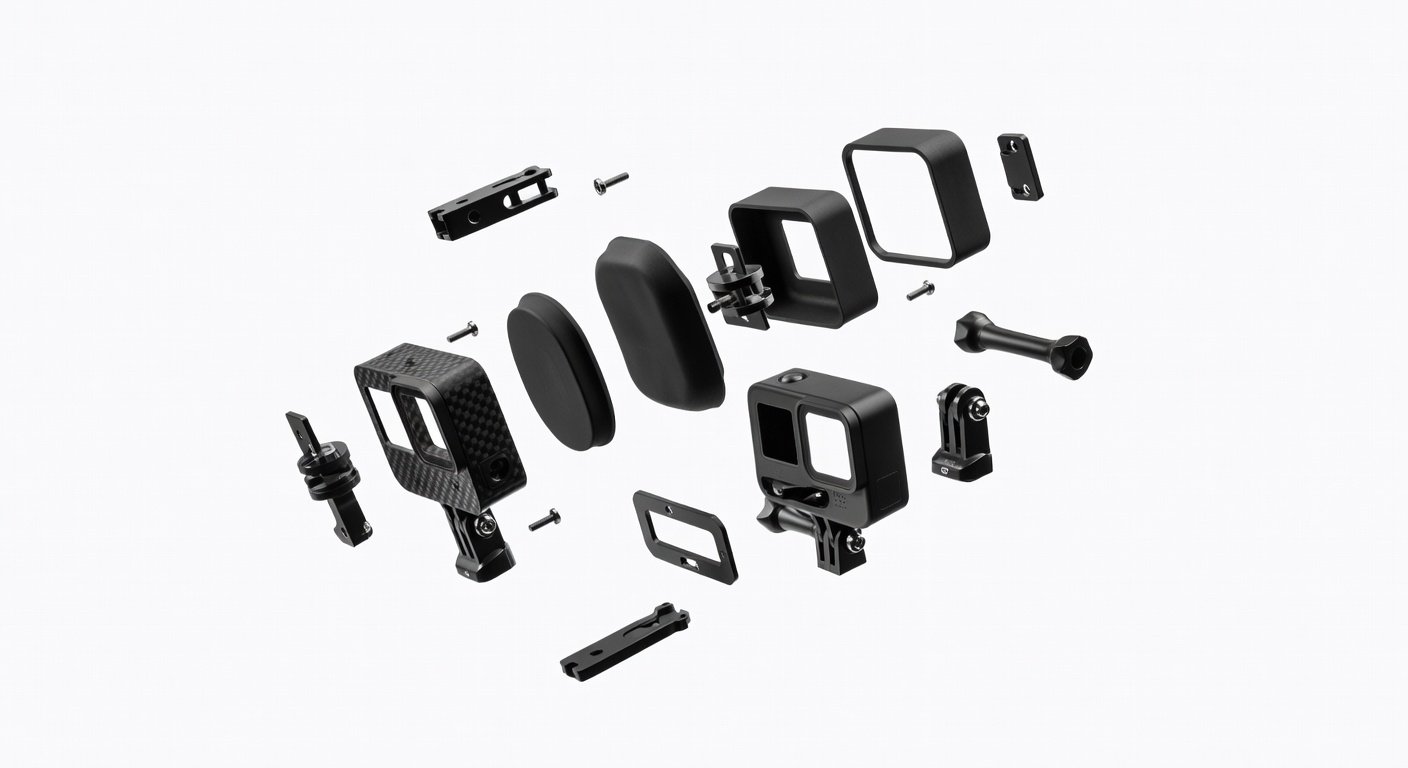
Mounting solutions vary significantly based on camera choice and intended filming style. Traditional rigid mounts provide maximum stability for smooth cinematic shots but transmit all aircraft vibrations directly to the camera. Soft mounting systems using TPU dampeners or rubber isolators help reduce high-frequency vibrations that can affect image quality, particularly important when using cameras without electronic stabilization. Some pilots prefer adjustable tilt mechanisms that allow in-flight camera angle adjustments, expanding creative possibilities during single flights. The mounting position also affects aircraft center of gravity, with forward-mounted cameras requiring careful balance considerations and potentially different battery placement to maintain optimal flight characteristics.
Balancing Weight Distribution for Optimal Performance
Proper weight distribution becomes critical when adding substantial camera payloads to cinewhoop builds. The additional forward weight from cameras must be balanced through careful component placement and sometimes battery positioning adjustments. Many successful builds relocate the flight controller or receiver to the rear of the aircraft, or utilize battery straps that allow slight rearward battery placement. Some frames feature adjustable camera mounts or multiple battery mounting positions specifically to address balance concerns. Pilots often find that slightly nose-heavy configurations actually improve forward flight characteristics and reduce the tendency for altitude loss during aggressive forward pitches, though this comes at the cost of reduced agility in certain flight regimes.
Practical Use Cases and Flying Applications
Indoor cinematic work represents the primary application where cinewhoops truly excel, offering capabilities that no other aircraft type can match. The combination of prop guards, reduced noise output, and stable flight characteristics enables filming in restaurants, offices, homes, and event venues where traditional FPV drones would be completely inappropriate. Real estate videography has embraced cinewhoops for interior shots that showcase room layouts and architectural details from unique perspectives. The ability to fly safely around people and delicate objects opens creative possibilities that extend far beyond what handheld gimbals or traditional camera movements can achieve, allowing smooth transitions between rooms and dynamic reveals of interior spaces.
Outdoor applications focus primarily on low-risk proximity flying where the prop guards provide safety margins for close approaches to subjects or obstacles. Nature cinematography benefits from the ability to fly near wildlife or through dense vegetation without the constant fear of prop strikes ending the flight. Urban exploration and architectural photography utilize cinewhoops for safe navigation around buildings, under bridges, and through narrow passages where collision risks would prohibit other aircraft types. The reduced noise signature also proves advantageous in noise-sensitive environments or when filming wildlife that might be disturbed by louder conventional drones. However, pilots must understand that the aerodynamic compromises inherent in ducted designs limit performance in windy conditions, making outdoor flights more weather-dependent than traditional FPV aircraft.
Frame Selection and Build Considerations
Frame selection forms the foundation of any successful cinewhoop build, with numerous options available across different size classes and design philosophies. Popular choices include the iFlight Protek series, known for robust construction and excellent crash protection, and the Beta FPV frames that offer lighter weight configurations for improved flight times. The frame geometry significantly affects flight characteristics, with wider wheelbases providing increased stability at the cost of reduced agility, while more compact designs maintain nimble handling but may sacrifice some camera mounting flexibility. Carbon fiber thickness varies between manufacturers, with some prioritizing durability through thicker arms while others focus on weight reduction through strategic material placement.
Build complexity varies significantly between different frame designs, with some offering tool-free assembly and others requiring more traditional building approaches. Modular designs allow component upgrades and repairs without complete rebuilds, particularly valuable for pilots still experimenting with different configurations. The internal layout affects component placement and wire management, with well-designed frames providing clear routing paths and adequate space for modern flight controllers and ESCs. Some frames include integrated features like antenna mounts, LED strips, or vibration dampening elements that can simplify builds and improve functionality. Pilots should consider their skill level, intended use case, and budget when selecting frames, as prices range from budget-friendly options under $50 to premium designs exceeding $150.
Essential Components and Electronics
Electronics selection for cinewhoops follows similar principles to other FPV builds but with specific considerations for the unique requirements of cinematic flying. Flight controllers with robust filtering capabilities help manage the different vibration characteristics created by ducted propellers, while ESCs rated for continuous high-current operation prove essential when carrying heavy camera payloads. Many builders prefer all-in-one flight controller and ESC combinations to reduce weight and simplify wiring, though separate components offer more flexibility for custom configurations. The video transmission system requires careful consideration of antenna placement within the constrained space of ducted frames, often necessitating creative mounting solutions to maintain signal quality while protecting antennas from damage during crashes.
Frequently Asked Questions
What motor size is best for a 3.5-inch cinewhoop?
For 3.5-inch cinewhoops, 1404 or 1505 motors work best. 1404 motors provide excellent efficiency and flight time for indoor use, while 1505 motors offer more power for heavier camera payloads or outdoor flying. Choose KV ratings between 2800-3600 depending on your battery setup and performance needs.
Can cinewhoops fly outdoors in windy conditions?
Cinewhoops can fly outdoors but perform poorly in windy conditions due to their ducted design creating aerodynamic drag. They work best in calm weather for proximity flying around obstacles or subjects. For windy outdoor conditions, traditional open-prop FPV drones are more suitable.
How much does a GoPro affect cinewhoop flight performance?
A full GoPro adds 150-180 grams, significantly impacting flight time and agility. Naked GoPros save 20-30 grams and are preferred for serious cinematic work. The added weight requires careful balancing and may necessitate more powerful motors or larger batteries to maintain acceptable performance.
Are cinewhoops safer to fly around people than regular FPV drones?
Yes, cinewhoops are much safer due to their prop guards that protect both people and the aircraft from prop strikes. The enclosed design also reduces noise and prevents finger injuries from spinning propellers, making them ideal for indoor flying and close proximity work around people.
What’s the typical flight time for a cinewhoop with camera?
Flight times typically range from 3-6 minutes depending on battery capacity, camera weight, and flying style. Lightweight builds with naked action cameras can achieve 5-6 minutes, while heavier setups with full GoPros usually get 3-4 minutes. Smooth cinematic flying extends flight time compared to aggressive maneuvers.
Ready to Build Your First Cinewhoop?
Building a cinewhoop opens up entirely new creative possibilities for your FPV flying and cinematography. Whether you’re planning indoor real estate shoots or outdoor proximity flying, the right cinewhoop setup can capture footage that’s impossible with any other aircraft type. Browse our recommended frames, motors, and components to start your build, or contact our team for personalized recommendations based on your specific filming needs and experience level.