
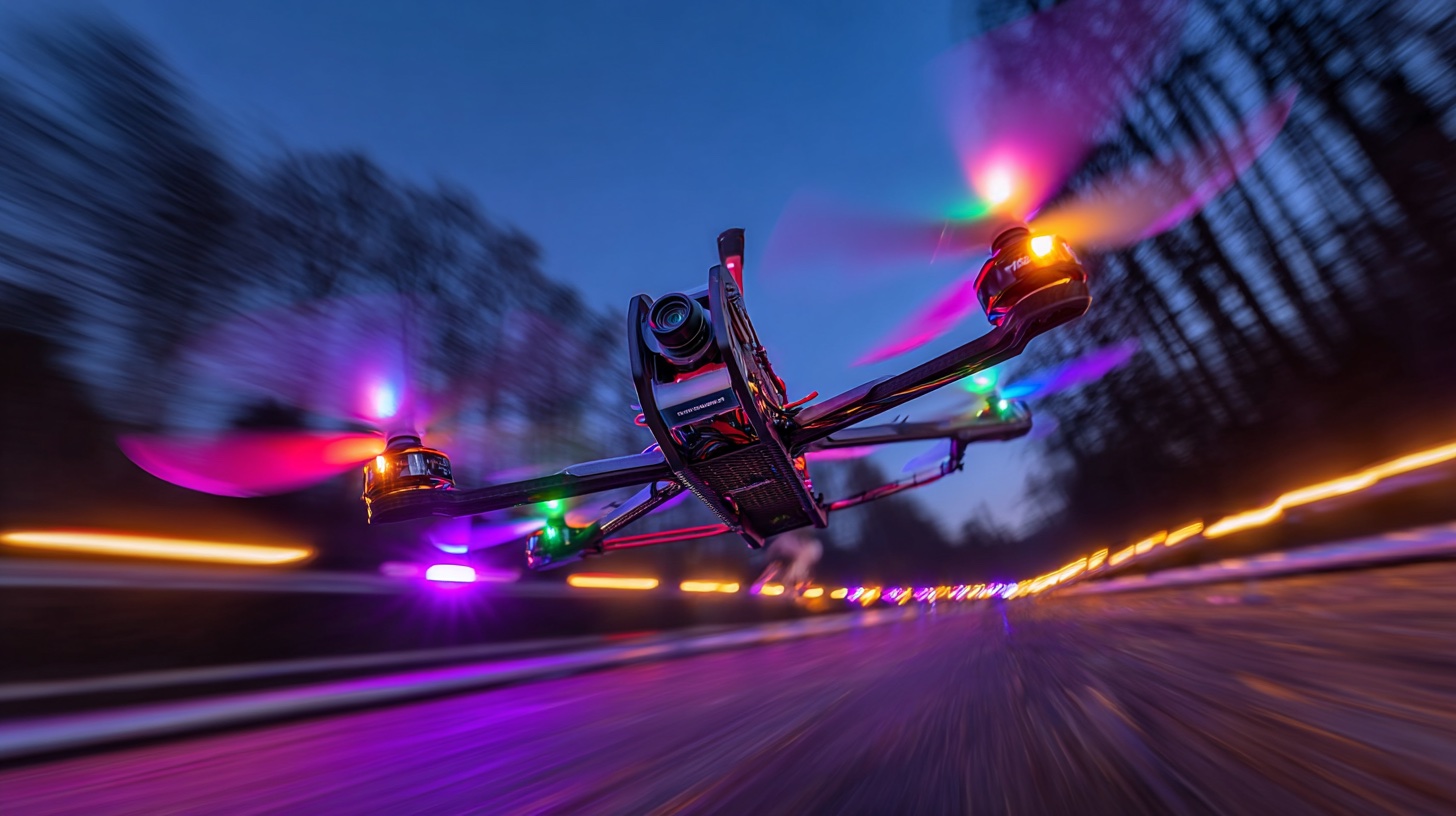
What is Drone Racing and Why It’s Taking Off
Drone racing represents the cutting edge of aerial sports, combining high-speed piloting skills with advanced FPV (First Person View) technology. Pilots navigate custom-built racing drones through intricate courses at speeds exceeding 100 mph, all while wearing specialized goggles that provide real-time video feeds from onboard cameras. This drone racing guide will walk you through everything needed to join this exhilarating sport that’s captivating audiences worldwide and creating new career opportunities for skilled pilots.
The sport has evolved from backyard hobbyist gatherings into professional leagues with substantial prize pools and international competitions. Major events like the Drone Racing League Championship attract millions of viewers and feature purpose-built racing circuits with LED-lit gates, challenging obstacles, and dramatic night racing conditions. Unlike traditional remote-controlled aircraft flying, drone racing demands split-second decision-making, precise throttle control, and the ability to maintain spatial awareness while experiencing the flight from the drone’s perspective through immersive FPV technology.
Essential Equipment for Drone Racing Success
Building a competitive racing setup requires specific components optimized for speed, agility, and durability. The foundation starts with a lightweight carbon fiber frame, typically ranging from 180mm to 250mm wheelbase, designed to withstand high-impact crashes while maintaining structural integrity. High-performance brushless motors paired with efficient electronic speed controllers (ESCs) provide the instantaneous throttle response crucial for navigating tight racing lines. Quality propellers, usually tri-blade or quad-blade configurations, must balance thrust efficiency with durability since contact with gates and obstacles frequently occurs during competitive racing.
The FPV system forms the critical link between pilot and aircraft, consisting of a lightweight camera, video transmitter, and ground-based receiver connected to specialized racing goggles. Modern racing drones utilize low-latency digital video systems or analog transmission depending on league regulations and pilot preferences. Radio control systems require precise, interference-resistant transmitters with customizable control curves and switch assignments. Additional essential components include high-discharge lithium polymer batteries, vibration-dampening camera mounts, and modular wiring harnesses that facilitate quick repairs between racing heats.
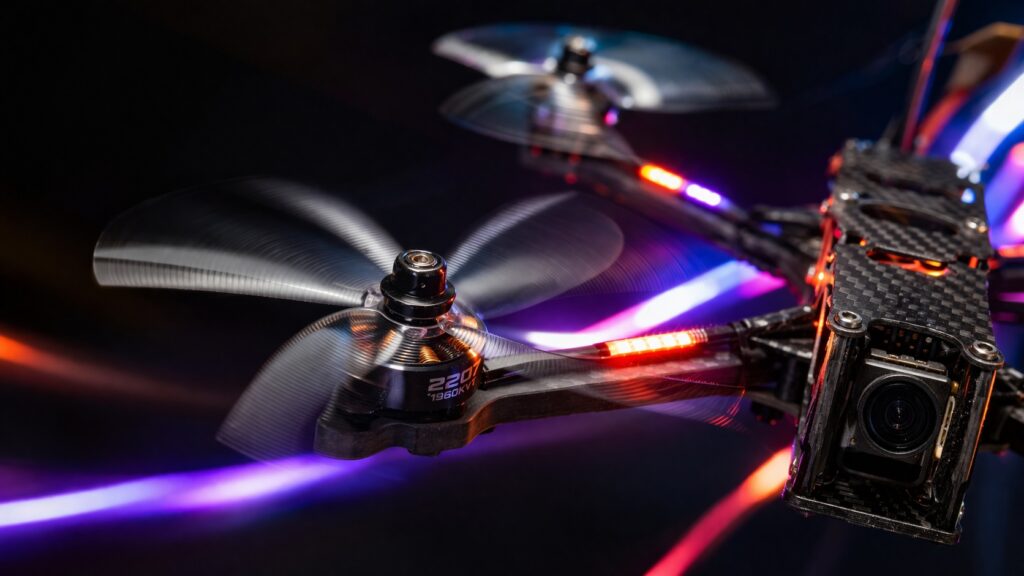
Specialized racing propellers designed for maximum speed and agility
Choosing Your First Racing Drone Frame
Frame selection significantly impacts racing performance, with modern designs prioritizing aerodynamics, crash resistance, and component accessibility. Popular racing frames feature X-configuration layouts with arms angled to optimize propeller efficiency and reduce turbulence around the camera and electronics bay. Carbon fiber thickness typically ranges from 3mm to 5mm, with thicker arms providing crash durability at the expense of weight and agility. Successful racing frames incorporate thoughtful design elements like integrated camera protection, easy battery mounting systems, and strategically placed standoffs that protect sensitive electronics during inevitable impacts with racing gates and barriers.
FPV Racing Techniques and Flight Skills
Competitive drone racing demands mastering advanced flight techniques that differ substantially from casual recreational flying. Throttle management becomes paramount, with skilled pilots learning to modulate power delivery for optimal cornering speeds while maintaining altitude through complex three-dimensional racing courses. Split-S maneuvers, power loops, and knife-edge flying techniques allow racers to navigate challenging gate sequences and maintain racing lines that minimize lap times. Understanding momentum conservation, banking angles, and energy management separates competitive pilots from recreational flyers.
Course memorization and racing line optimization require systematic practice and analytical thinking. Professional racers study track layouts extensively, identifying optimal entry and exit points for each gate sequence while planning overtaking opportunities and defensive positioning strategies. Smooth control inputs reduce mechanical stress on components while maintaining maximum speed through corners. Advanced pilots develop muscle memory for specific maneuver sequences, allowing instinctive reactions during high-pressure racing situations where split-second decisions determine race outcomes and championship standings.
Building Spatial Awareness Through FPV
Developing proficient FPV piloting skills requires training your brain to process three-dimensional spatial relationships through a two-dimensional video feed. New pilots often experience disorientation when transitioning from line-of-sight flying to immersive first-person perspective racing. Progressive training exercises help build confidence and spatial awareness, starting with simple forward flight patterns and gradually incorporating complex maneuvers like inverted flying, proximity racing, and multi-axis rotations. Consistent practice in varied lighting conditions and different course configurations accelerates skill development and builds the reflexive responses necessary for competitive racing success.
Understanding Drone Racing Costs and Budget Planning
Entry-level drone racing requires a significant initial investment, with complete racing setups typically ranging from $800 to $1,500 for quality components that can compete effectively. Budget-conscious beginners can start with ready-to-fly racing drones or carefully selected component packages that balance performance with affordability. However, ongoing operational costs including replacement parts, batteries, and maintenance supplies often exceed initial equipment expenses over time. Crash damage represents the largest variable expense, with propellers, motors, and frames requiring frequent replacement during the learning phase.
Advanced racing setups can easily exceed $3,000 when incorporating premium components like high-end flight controllers, professional-grade FPV systems, and multiple backup aircraft for competitive events. Battery costs accumulate quickly since racing demands multiple high-performance packs for extended practice sessions and competition days. Smart budgeting strategies include purchasing components in bulk, learning basic repair skills, and joining local racing groups that often share tools and expertise. Many successful racers offset costs through sponsorship opportunities, prize winnings, and offering pilot training services to newcomers entering the sport.
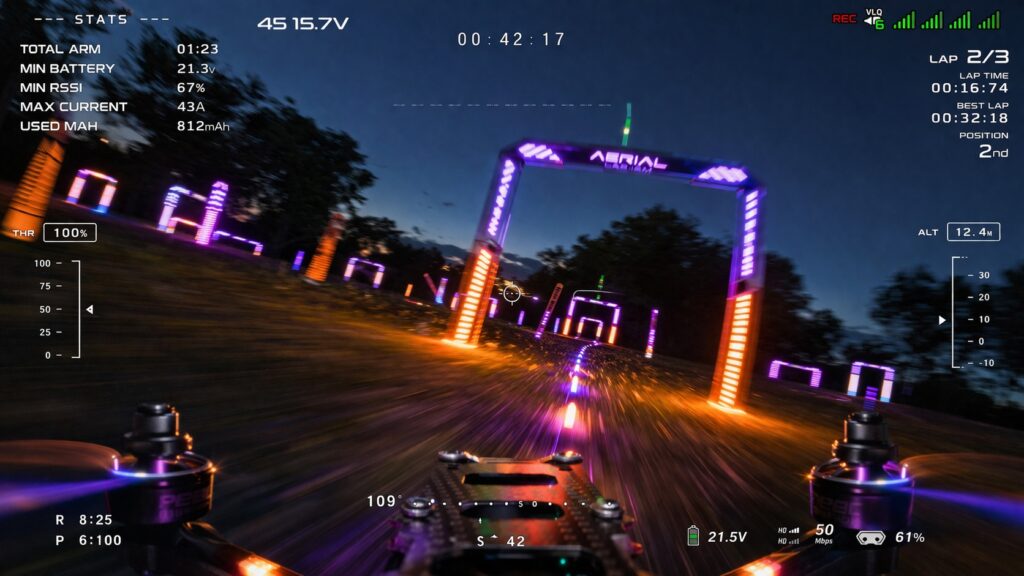
Immersive first-person view experience during competitive drone racing
Joining the Racing Community and Finding Events
Local racing communities provide invaluable support for newcomers, offering mentorship, shared resources, and regular practice opportunities that accelerate skill development. Most metropolitan areas host weekly or monthly racing meetups at designated flying sites equipped with standardized racing gates and timing systems. These gatherings allow pilots to test equipment configurations, practice racing techniques, and participate in friendly competitions that build confidence before entering formal racing leagues. Experienced community members often assist newcomers with equipment selection, setup optimization, and troubleshooting technical issues that commonly arise during the learning process.
Regional and national racing circuits offer structured competition opportunities with standardized rules, professional timing systems, and substantial prize pools for top performers. Organizations like MultiGP and the Drone Racing League provide comprehensive race calendars, pilot rankings, and progression pathways from local events to international championships. Online communities through social media platforms and specialized forums extend learning opportunities beyond local groups, providing access to advanced tuning techniques, equipment reviews, and race strategy discussions from pilots worldwide. Participation in organized events also opens doors to potential sponsorship opportunities and career advancement within the rapidly growing drone racing industry.
Frequently Asked Questions
How do I get started with FPV drone racing?
Start by joining a local racing group to learn from experienced pilots and try different equipment setups. Invest in quality FPV goggles and a racing drone kit, then practice basic flight skills in open areas before attempting racing courses. Most communities welcome newcomers and provide guidance on equipment selection and safety procedures.
What equipment do I need for drone racing?
Essential equipment includes a racing drone with FPV camera and transmitter, specialized racing goggles, radio transmitter, multiple batteries, and basic repair tools. Additional items like spare propellers, motors, and frames become necessary as you advance. Budget around $1,000-$1,500 for a complete competitive setup.
How much does it cost to start drone racing?
Initial costs typically range from $800-$1,500 for quality equipment that can compete effectively. Ongoing expenses include replacement parts, batteries, and event entry fees. Budget an additional $500-$1,000 annually for maintenance and upgrades as you develop racing skills and equipment preferences.
Ready to Start Your Racing Journey?
Transform your passion for flight into competitive excellence with expert guidance and proven racing strategies. Our comprehensive consultation services help you select optimal equipment, develop advanced piloting techniques, and connect with local racing communities. Contact us today to accelerate your path from beginner to podium finisher in the exciting world of drone racing.