
Understanding FPV Drone Kit Types: RTF vs BNF vs DIY
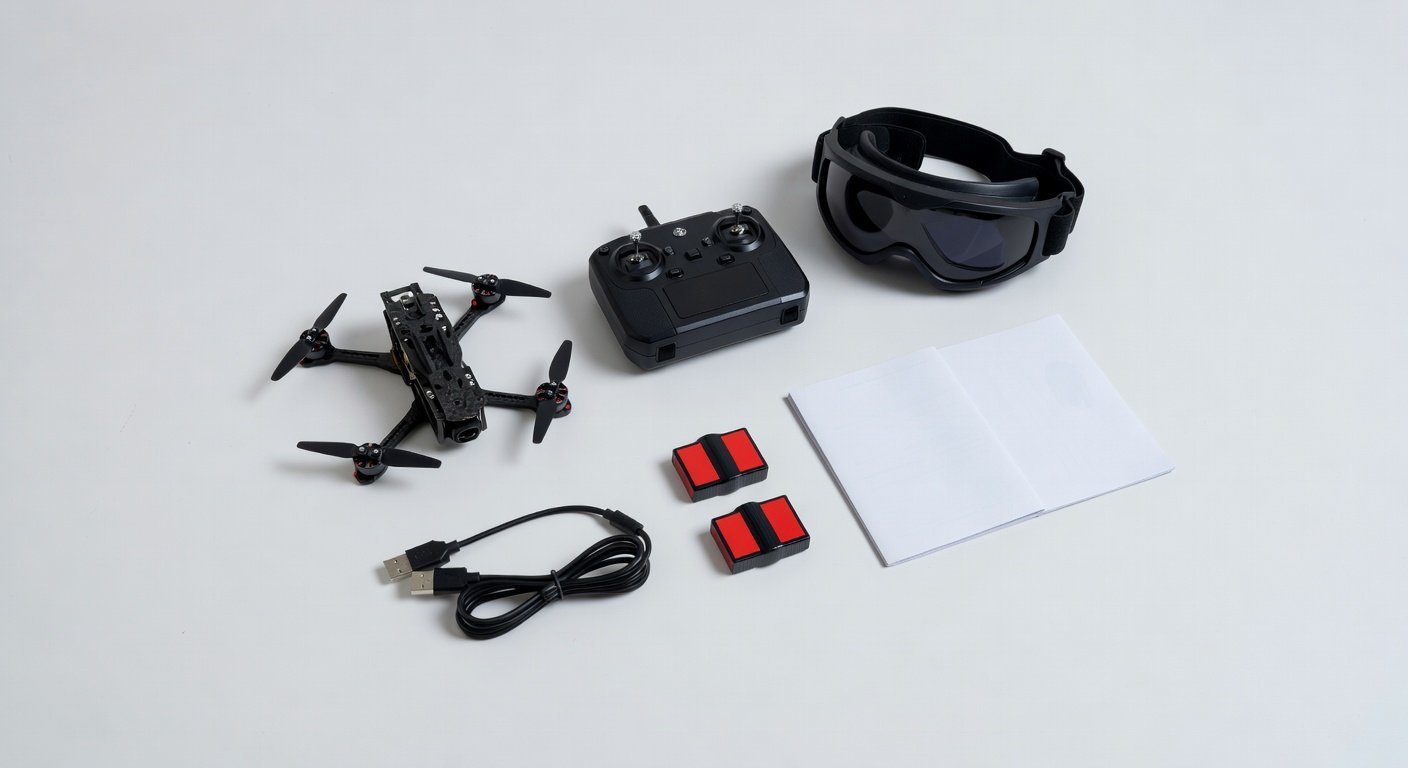
When shopping for your first fpv drone kit for beginners, you’ll encounter three main categories that can confuse newcomers: Ready-to-Fly (RTF), Bind-and-Fly (BNF), and DIY kits. RTF packages include everything needed to get airborne immediately, including the drone, transmitter, receiver, and often basic FPV goggles. These represent the most beginner-friendly option since manufacturers have already matched compatible components and configured the flight controller settings. However, RTF kits typically cost more per component and may include lower-quality accessories that you’ll eventually want to upgrade. The convenience factor makes them ideal for pilots who want to start flying within hours of unboxing rather than spending weeks learning component compatibility.
BNF (Bind-and-Fly) drones come pre-built but require you to supply your own transmitter and receiver. This approach assumes you already own radio equipment or plan to invest in quality gear that will work with multiple aircraft. BNF options often provide better value for the drone itself since manufacturers aren’t bundling transmitters, but the initial investment can be higher when factoring in separate radio purchases. DIY kits fall on the opposite end of the spectrum, providing individual components that require assembly, soldering, and configuration. While DIY builds offer maximum customization and learning opportunities, they demand significant time investment and technical knowledge that most beginners lack. Understanding these distinctions helps narrow your search based on your technical comfort level, budget constraints, and timeline for getting airborne.
Top RTF FPV Drone Kits for Complete Beginners
The EMAX Tinyhawk RTF bundle stands out as the most comprehensive fpv drone kit for beginners currently available. This package includes the Tinyhawk II drone, EV800D goggles, E8 transmitter, spare props, and essential tools for around $200. The Tinyhawk II features a durable frame design that survives indoor crashes while providing genuine FPV racing experience. The included EV800D goggles offer diversity reception and DVR recording capabilities that exceed expectations for budget FPV equipment. Most importantly, EMAX has pre-configured the flight controller with conservative rates and angle mode enabled, allowing new pilots to fly safely while learning basic controls. The E8 transmitter provides adequate range for beginners and includes trainer cord capability for simulator practice.
Another excellent option is the BetaFPV Cetus Pro RTF kit, which targets absolute beginners with its progressive flight mode system. The package includes the Cetus Pro drone, Literadio 3 transmitter, VR03 goggles, and comprehensive accessories for approximately $180. What sets this kit apart is the three-flight mode progression: altitude hold mode for initial familiarization, angle mode for controlled learning, and eventually acro mode for advanced maneuvers. The VR03 goggles feature an LCD screen rather than traditional OLED displays, making them more comfortable for extended wear while learning. BetaFPV also includes detailed tutorial videos and step-by-step guides that walk beginners through each flight mode transition. The Literadio 3 transmitter offers surprising build quality for the price point and includes USB connectivity for simulator training.
What’s Actually Included in RTF Packages
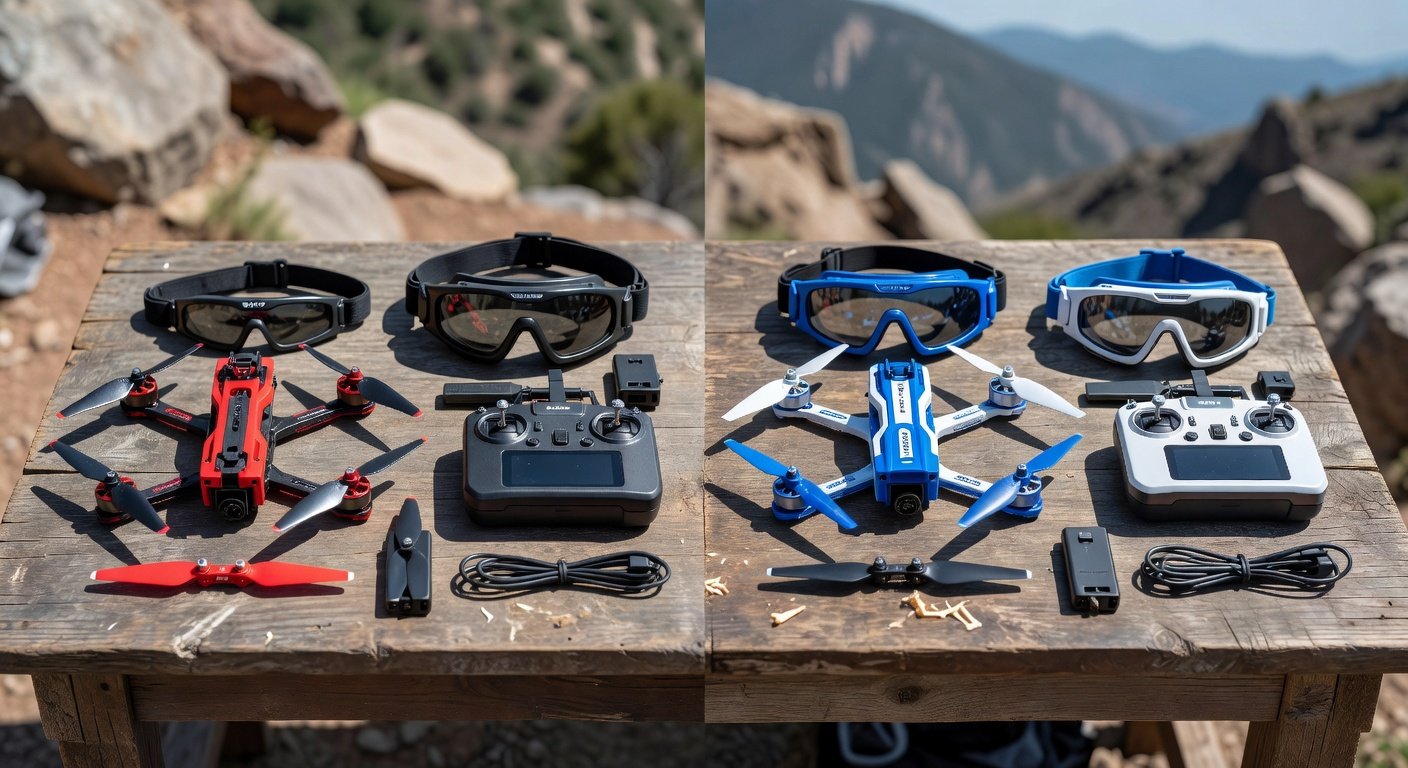
RTF fpv drone kit for beginners packages typically include the basic components needed for flight, but the quality and completeness vary significantly between manufacturers. Most packages include a pre-built quadcopter with flight controller, ESCs, motors, and camera already installed and configured. You’ll also receive a basic transmitter (usually 4-6 channel), entry-level FPV goggles, a small LiPo battery, USB charger, and spare propellers. However, many RTF kits cut corners on accessories to hit aggressive price points. The included chargers are often slow USB-based units that take hours to charge small batteries. Goggles may lack diversity reception or DVR recording capabilities. Transmitters frequently use lower-quality gimbals and limited channel counts that restrict future expansion. Understanding these limitations helps set realistic expectations and plan for eventual upgrades.
Essential Items Missing from Most Beginner Kits
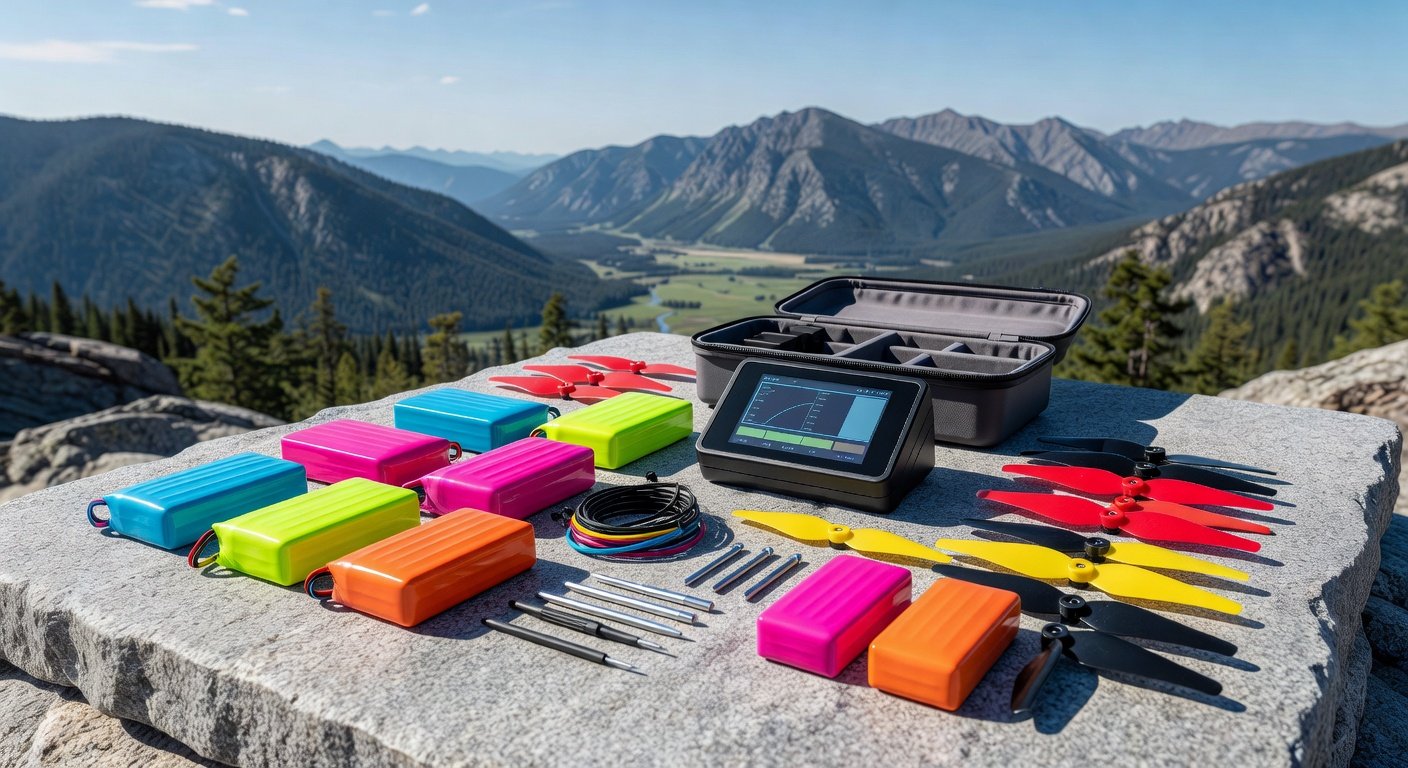
Even comprehensive RTF packages leave gaps that new pilots must fill before enjoying extended flight sessions. Additional batteries top the list of necessary purchases since most kits include only one small LiPo that provides 3-5 minutes of flight time. Plan to budget $15-25 per additional battery, with 3-4 batteries being the minimum for enjoyable practice sessions. A proper LiPo charger represents another critical investment, as USB chargers included in kits charge painfully slowly and lack safety features like balance charging and storage mode. Quality chargers like the ISDT Q6 Nano cost around $50 but charge multiple batteries simultaneously while providing essential safety monitoring.
Spare parts constitute another hidden cost that catches beginners off-guard. While kits include spare propellers, they rarely provide spare motors, camera gimbals, or frame components that break during learning crashes. Propeller guards can extend the life of indoor flying sessions but add weight that affects flight characteristics. A small toolkit with appropriate hex drivers, zip ties, and electrical tape proves invaluable for field repairs. Many pilots also invest in a carrying case or backpack to transport their growing collection of gear safely. Budget an additional $100-150 beyond the kit price for these essential accessories that transform a basic package into a complete flying setup.
Battery and Charging Considerations
Battery selection and charging infrastructure represent the most critical aspects often overlooked in beginner kit evaluations. Most fpv drone kit for beginners packages include 1S or 2S LiPo batteries with capacities between 300-750mAh. While these small batteries keep weight down and reduce crash damage, they provide limited flight time that frustrates new pilots eager to practice. Investing in higher-capacity batteries within your drone’s specifications can double flight times, but requires understanding C-rating requirements and connector types. Always verify battery compatibility before purchasing, as different manufacturers use various connector standards (JST-PH, BT2.0, XT30) that aren’t interchangeable without adapters.
BNF Options for Pilots with Existing Radio Gear
Pilots who already own quality transmitters or want to invest in professional-grade radio equipment should consider BNF (Bind-and-Fly) options over complete RTF packages. BNF drones typically offer better value since you’re not paying for bundled transmitters that may not meet your long-term needs. Popular BNF options include the iFlight Nazgul5 V2, GEPRC CineLog25, and TinyHawk III series. These aircraft come pre-built and configured but require compatible receivers and transmitter binding procedures. The advantage lies in component quality, as BNF manufacturers often use higher-grade flight controllers, ESCs, and cameras compared to RTF equivalents at similar price points.
However, BNF purchases require more technical knowledge and higher initial investment. You’ll need a quality transmitter like the FrSky Taranis X9D Plus or RadioMaster TX16S, which cost $150-250 but provide features and reliability that justify the expense. Understanding receiver compatibility becomes crucial, as different transmitter protocols (FrSky ACCST, TBS Crossfire, ExpressLRS) require matching receivers. Many BNF drones offer multiple receiver options, but beginners must research compatibility carefully. The learning curve is steeper with BNF options, but the result is a more capable system that grows with your skills rather than requiring complete replacement as you advance.
Recommended Transmitters for BNF Builds
Choosing the right transmitter for BNF fpv drone kit for beginners setups requires balancing current needs with future expansion possibilities. The RadioMaster TX16S offers exceptional value with OpenTX firmware, multi-protocol support, and professional-grade gimbals for around $200. This transmitter works with virtually any BNF drone through its built-in multi-protocol module, eliminating compatibility concerns that plague other options. The FrSky Taranis X9D Plus remains popular among experienced pilots but requires additional modules for non-FrSky receivers. For budget-conscious beginners, the RadioMaster Zorro provides OpenTX features in a compact gamepad-style form factor for under $100, though its smaller size may feel cramped during extended flying sessions.
DIY Kits: When Building Makes Sense for Beginners
DIY fpv drone kit for beginners packages appeal to technically-minded newcomers who want to understand every component while potentially saving money through careful part selection. Companies like Armattan, iFlight, and GEPRC offer frame kits with recommended component lists that guide beginners through the build process. DIY builds provide maximum customization opportunities and deep technical knowledge that proves valuable for future repairs and upgrades. The satisfaction of flying a self-built aircraft cannot be understated, and the troubleshooting skills developed during assembly translate directly to field maintenance capabilities.
However, DIY builds demand significant time investment and technical skills that many beginners lack. Soldering proficiency is essential, as poor solder joints cause the majority of DIY build failures. Understanding component compatibility, flight controller configuration, and ESC calibration requires research that can overwhelm newcomers eager to start flying. The total cost often exceeds RTF alternatives when factoring in required tools, spare components, and inevitable mistakes during learning. DIY builds make sense for beginners with electronics backgrounds or those willing to invest months in the learning process before achieving reliable flight performance.
Essential Tools for DIY Assembly
Successful DIY fpv drone kit for beginners assembly requires specific tools that many newcomers underestimate in their initial budget planning. A quality soldering iron with temperature control (like the TS100 or Pinecil) costs $50-80 but provides the precision needed for small component work. Flux, solder wick, and quality 63/37 solder are consumables that improve joint quality and reduce rework. Heat shrink tubing, zip ties, and double-sided tape help secure wiring and components professionally. A basic multimeter enables continuity testing and voltage verification that prevents costly component damage. Hex driver sets, needle-nose pliers, and wire strippers round out the essential toolkit that costs $100-150 but serves multiple build projects.
Frequently Asked Questions
What’s the difference between RTF and BNF FPV drone kits?
RTF (Ready-to-Fly) kits include everything needed to fly immediately: drone, transmitter, goggles, and battery. BNF (Bind-and-Fly) drones come pre-built but require you to supply your own transmitter and receiver. RTF offers convenience for beginners, while BNF provides better value if you already own quality radio equipment.
How much should I budget beyond the initial kit price?
Plan to spend an additional $100-150 beyond your kit price for essential accessories. This includes extra batteries ($15-25 each), a proper LiPo charger ($50), spare parts, and basic tools. Most kits include minimal accessories that limit your flying experience without these additions.
Can I learn FPV flying with a simulator before buying hardware?
Yes, FPV simulators like Velocidrone, DRL Sim, and Liftoff provide excellent training opportunities. Many transmitters included in RTF kits support USB connectivity for simulator use. Practicing in simulation helps develop muscle memory and reduces crashes during initial real-world flights.
What size FPV drone is best for beginners?
Micro drones (65-75mm) and small whoops are ideal for beginners. They’re safer for indoor flying, cause less damage in crashes, and have lower operating costs. Popular beginner sizes include 65mm, 75mm, and 2.5-inch props, which provide good flight characteristics while remaining manageable for new pilots.
Do I need a license to fly FPV drones recreationally?
In the US, recreational FPV flying requires FAA registration for drones over 0.55 pounds and following Part 107 rules for FPV flight (visual observer or single-operator exception). Always check current regulations in your area, as rules vary by country and change frequently.
Ready to Start Your FPV Journey?
Choosing the right FPV drone kit sets the foundation for years of exciting flight experiences. Whether you opt for an RTF package for immediate gratification or a BNF setup for long-term value, the key is starting with quality components that match your skill level and budget. Our team has hands-on experience with every kit mentioned in this guide and can help you select the perfect setup for your specific needs. Contact us today for personalized recommendations and exclusive deals on beginner-friendly FPV packages.