
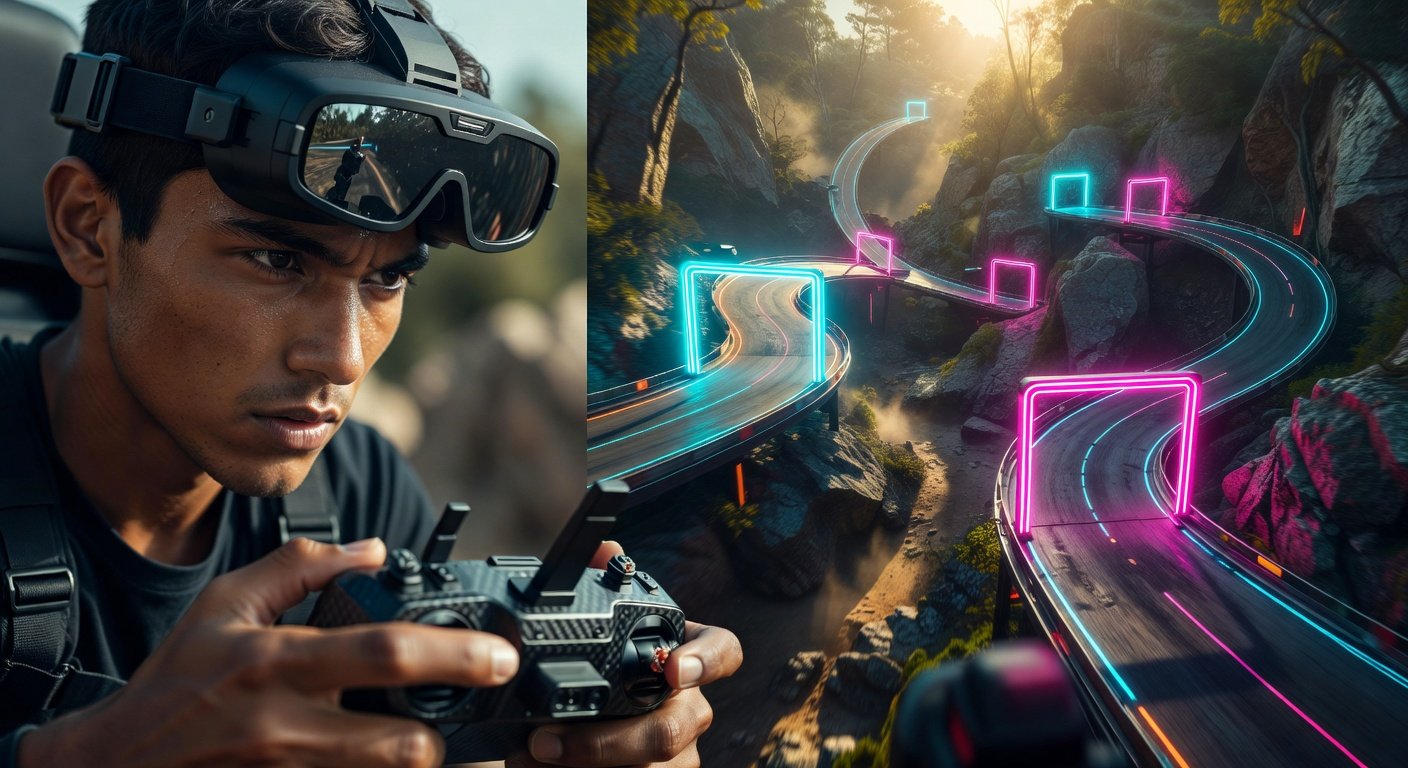
Why FPV Drone Racing Simulators Are Essential for Pilots
FPV drone racing simulators have revolutionized how pilots develop their skills, offering a risk-free environment to practice complex maneuvers and racing techniques. These sophisticated programs replicate the physics, handling characteristics, and visual experience of flying real racing drones through virtual courses. Unlike crashing your expensive quad, simulator crashes cost nothing but provide invaluable learning opportunities. Professional racers and weekend warriors alike rely on simulators to maintain their edge during off-seasons, bad weather, or when traveling. The muscle memory developed through consistent simulator practice translates directly to real-world flying, making these tools indispensable for serious FPV pilots.
Modern racing simulators offer incredibly realistic flight physics that mirror actual drone behavior, including prop wash effects, momentum, and aerodynamic responses. The visual fidelity has reached levels where pilots can experience genuine immersion, complete with accurate lighting conditions, weather effects, and detailed track environments. Many simulators now support multiplayer racing, allowing pilots to compete against others worldwide without leaving their homes. This connectivity has spawned entire virtual racing leagues and championships, creating new pathways for pilots to showcase their skills and compete at high levels.
Top FPV Racing Simulators Compared
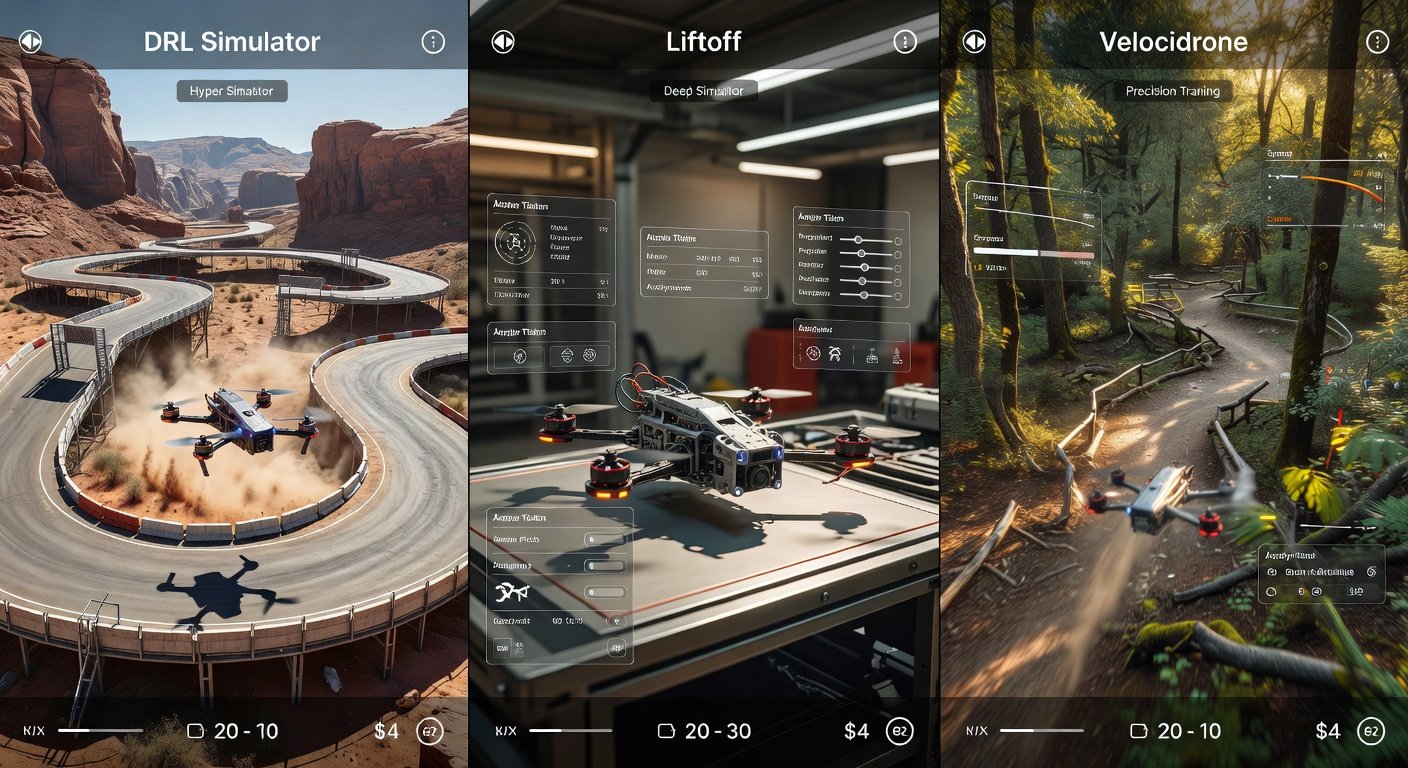
DRL Simulator stands out as the most authentic racing experience, officially endorsed by the Drone Racing League and featuring real DRL tracks and courses. The physics engine accurately represents racing drone behavior, while the graphics provide stunning visual realism that helps pilots prepare for actual competition environments. DRL Simulator includes comprehensive training modes, from basic flight tutorials to advanced racing techniques, making it suitable for beginners and professionals alike. The multiplayer functionality allows pilots to race against others in real-time, fostering a competitive community that mirrors actual racing events.
Liftoff remains a favorite among serious racers due to its exceptional physics accuracy and extensive customization options. Pilots can adjust virtually every aspect of their virtual quad, from motor specifications to camera angles, creating setups that closely match their real aircraft. The track editor empowers users to design and share custom courses, resulting in an ever-expanding library of racing environments. Velocidrone offers another compelling option with its focus on realistic flight dynamics and comprehensive training programs that systematically build pilot skills through structured lessons and challenges.
Hardware Requirements for Optimal Performance
Running FPV racing simulators effectively requires adequate computing power to maintain smooth frame rates and responsive controls. A dedicated graphics card is essential, with mid-range options like the GTX 1660 or RTX 3060 providing excellent performance for most simulators. Processor requirements vary, but a modern quad-core CPU ensures stable performance during intense racing sessions. RAM requirements typically range from 8GB to 16GB, depending on the simulator and desired graphics settings. Most importantly, a low-latency gaming monitor helps minimize input delay, which can significantly impact racing performance and realism.
Controller Setup and Calibration
Proper controller configuration is crucial for effective simulator training, as muscle memory developed with incorrect settings won’t transfer to real flying. Most FPV pilots prefer using their actual radio transmitters connected via USB or wireless dongles, ensuring identical stick feel and response characteristics. Popular transmitters like the FrSky Taranis series, Radiomaster TX16S, and TBS Tango 2 all offer excellent simulator compatibility. Calibration involves setting correct stick endpoints, expo curves, and rates to match your real quad’s settings, creating seamless transitions between virtual and actual flying.
Advanced pilots often maintain multiple profiles within their simulators, matching different aircraft configurations or flying styles. Acro mode remains the standard for racing simulation, though some beginners benefit from starting with angle mode before progressing to full manual control. Proper channel mapping ensures all controls respond correctly, including auxiliary switches for features like turtle mode or camera tilt. Regular calibration checks help maintain consistency, as controller drift or wear can gradually affect performance over time.
Training Progression for Racing Success
Effective simulator training follows a structured progression from basic flight control to advanced racing techniques. Beginners should start with simple hovering exercises, gradually building confidence with basic movements before attempting complex maneuvers. Gate navigation represents the next logical step, focusing on smooth, consistent lines through simple courses. As skills develop, pilots can tackle more challenging tracks with tighter gates, elevation changes, and technical sections that demand precise control inputs. Consistent practice sessions of 30-60 minutes prove more beneficial than marathon sessions that lead to fatigue and diminished learning.
Multiplayer Racing and Competition
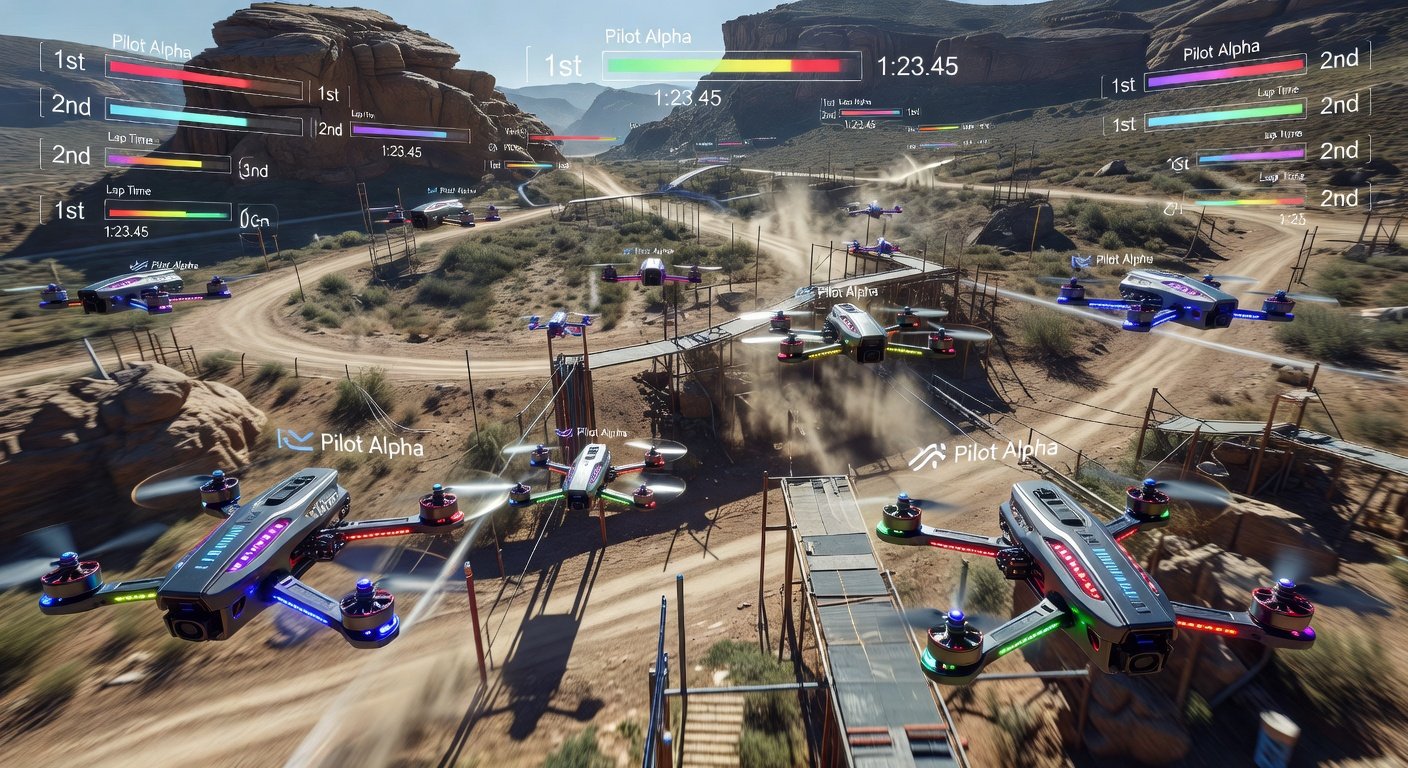
Online multiplayer racing transforms simulator practice into genuine competition, providing motivation and benchmarking opportunities against other pilots. Most modern simulators feature matchmaking systems that pair pilots of similar skill levels, ensuring competitive and educational racing experiences. Virtual racing leagues have emerged with structured seasons, points systems, and championship events that mirror real-world racing organizations. These competitions often serve as stepping stones to actual racing participation, helping pilots develop race craft, strategy, and the mental skills needed for competitive flying.
Spectator modes and replay systems allow pilots to study racing lines, analyze mistakes, and learn from faster competitors. Many simulators include telemetry data that reveals detailed performance metrics, helping pilots identify areas for improvement. Community features like leaderboards, ghost racing, and shared replays foster continuous learning and skill development. Some virtual competitions even offer prizes or sponsorship opportunities, creating pathways for talented simulator pilots to transition into professional racing careers.
Cost-Effective Training Benefits
The economic advantages of simulator training become apparent when considering the costs of real-world crashes and component replacements. A single hard crash can easily cost $100-200 in repairs, while unlimited simulator crashes cost nothing beyond the initial software purchase. Battery costs, travel expenses, and field time limitations all favor simulator practice for skill development. Professional racers often spend equal time in simulators and real flying, maximizing their training efficiency while minimizing equipment wear and operational costs.
Frequently Asked Questions
What is the best FPV simulator for racing?
DRL Simulator offers the most authentic racing experience with official tracks and realistic physics, while Liftoff provides excellent customization options. Velocidrone excels in training programs. The best choice depends on your specific needs and skill level.
Is there a FPV drone simulator?
Yes, several high-quality FPV drone simulators exist, including DRL Simulator, Liftoff, Velocidrone, and others. These programs provide realistic flight physics and racing environments for skill development and entertainment.
What’s the most realistic racing simulator?
DRL Simulator is widely considered the most realistic for racing, featuring official DRL tracks and physics. Liftoff also offers exceptional realism with detailed customization options that closely mirror real aircraft behavior.
How fast can FPV racing drones go?
FPV racing drones typically reach speeds of 80-120 mph in racing configurations, with some specialized builds exceeding 150 mph. Simulators accurately represent these speeds and the associated handling challenges.
Ready to Elevate Your Racing Skills?
Whether you’re a beginner looking to learn the basics or an experienced pilot aiming to sharpen your competitive edge, FPV racing simulators offer the perfect training ground. Start your virtual racing journey today and experience the thrill of high-speed competition from the comfort of your home. Contact our team for personalized recommendations on simulator setups and training programs tailored to your goals.