

Why In Flight Adjustments Matter for FPV Pilots
For FPV drone pilots, mastering in flight adjustments can be the difference between a shaky run and a flawless freestyle session. These real-time tweaks allow you to adapt to changing conditions like wind, battery drain, or unexpected drone behavior without landing. Whether you’re racing through tight gaps or pulling off complex tricks, the ability to fine-tune your drone’s response mid-air ensures precision and safety. In flight adjustments typically involve tweaking rates, expo, or even throttle curves via your transmitter or goggles, depending on your setup. This guide will break down why these changes are essential for hobbyist pilots focused on performance. Understanding when and how to adjust is a skill that elevates your flying game significantly.
The primary benefit of in flight adjustments lies in adaptability. Imagine you’re mid-race, and your drone feels sluggish on turns due to a dying battery. Without landing, you can bump up the throttle curve to compensate for the power loss. Similarly, if gusty winds throw off your control, adjusting roll and pitch rates can stabilize your quad. These tweaks aren’t just for emergencies; they’re also about optimizing your drone’s feel for specific tricks or tracks. For FPV pilots, where split-second decisions define success, having this control at your fingertips is invaluable. It reduces crashes and boosts confidence, especially in competitive or high-stakes environments.
Key In Flight Adjustments Every Pilot Should Know
When it comes to in flight adjustments, not all settings are created equal. The most critical ones for FPV drones revolve around rates, expo, and throttle management. Rates control how fast your drone responds to stick inputs on roll, pitch, and yaw. If your quad feels too twitchy mid-flight, dialing down the rates can smooth things out. Conversely, increasing rates can sharpen response for aggressive maneuvers. Expo, short for exponential, softens or sharpens the stick input curve, affecting sensitivity near the center. Adjusting expo in flight can make your drone feel more forgiving or precise, depending on the situation. Knowing these basics is crucial for any pilot.
Throttle adjustments are another vital area. As batteries deplete, voltage sag can dull your drone’s punch. Some transmitters allow mid-flight throttle curve tweaks to counteract this, giving you consistent power output. Beyond these, advanced pilots might adjust PID values if their flight controller supports real-time tuning, though this is riskier and often reserved for test flights. Each adjustment impacts how your drone handles, so practice in a simulator first to understand the effects. Start small—overcorrecting mid-air can lead to loss of control. With time, these tweaks become second nature, letting you adapt seamlessly to any flying condition.
Tools and Tech for Real-Time Tuning
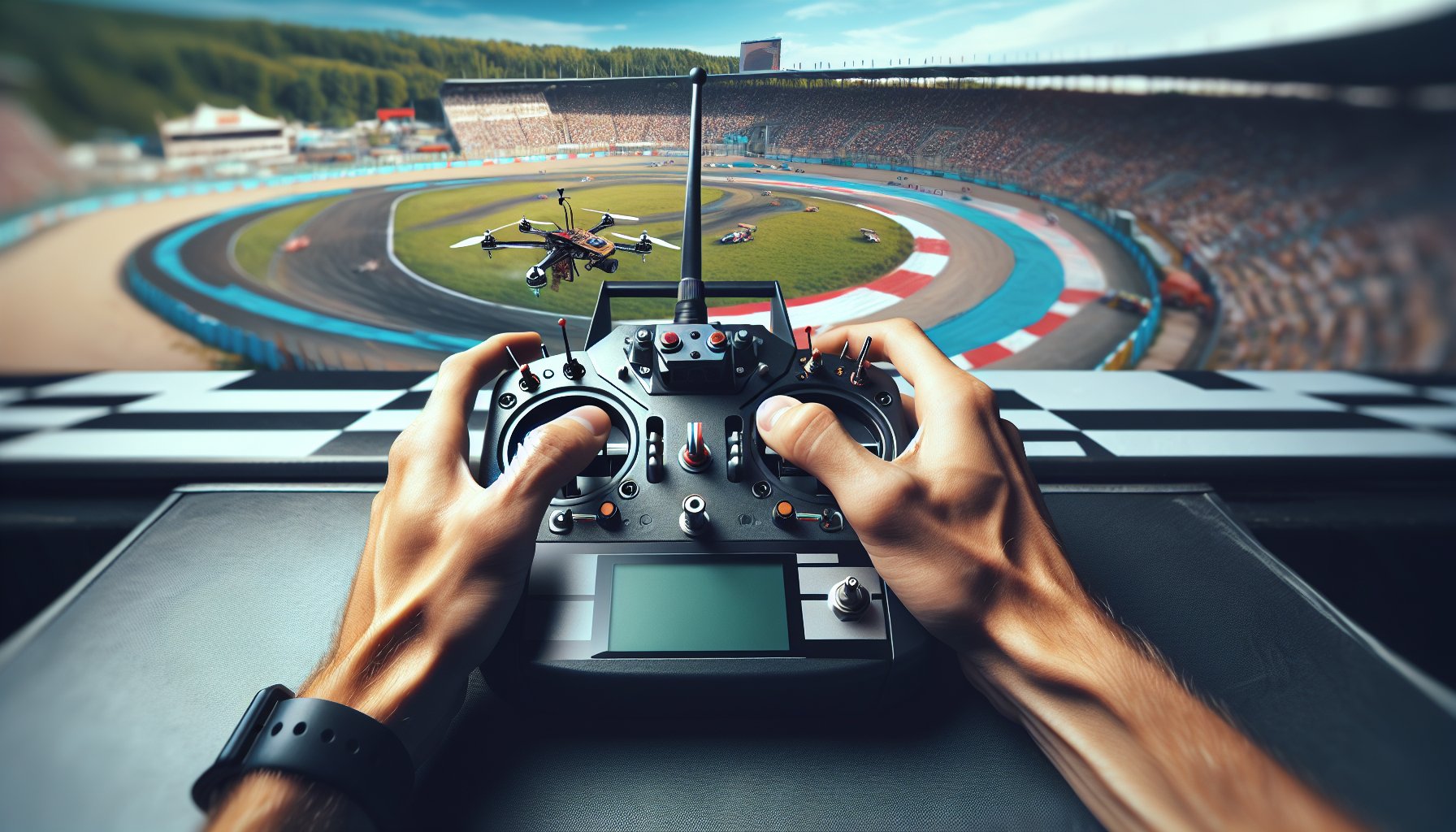
Making in flight adjustments requires the right gear. Most modern FPV transmitters, like those from FrSky or TBS, support on-the-fly changes via assignable switches or dials. For instance, you can map a switch to toggle between different rate profiles or adjust throttle limits. Betaflight, a popular flight controller firmware, also supports real-time PID tuning through specific protocols, though this often needs a compatible receiver and pre-setup. Additionally, some FPV goggles display telemetry data, letting you monitor battery voltage or motor output to inform your adjustments. Investing in a transmitter with customizable controls and telemetry feedback is a game-changer for mid-air tuning.
When to Make In Flight Adjustments During a Session
Timing is everything with in flight adjustments. The best moments to tweak settings are during low-risk phases of your flight, such as when hovering or flying straight lines away from obstacles. Avoid making changes during complex tricks or high-speed runs, as split-second distractions can lead to crashes. For example, if you notice your drone drifting in windy conditions, wait until you’re in a stable position before adjusting yaw rates. Similarly, throttle curve tweaks should happen after you’ve felt consistent power loss over a few maneuvers, not in the heat of a race. Safety always comes first, even when chasing performance gains.
Another key window for adjustments is after swapping batteries. Voltage differences between packs can alter how your drone feels, so a quick rate or expo tweak might be necessary. If you’re flying in varying environments—like moving from indoors to outdoors—expect to adjust for light or wind changes. The goal is to minimize downtime while maximizing control. Experienced pilots develop a rhythm, sensing when something feels off and correcting it instinctively. Start by logging what adjustments work in specific scenarios during practice. Over time, you’ll build a mental checklist for when and how to act mid-flight.
Frequently Asked Questions
What are in flight adjustments for FPV drones?
In flight adjustments refer to real-time changes made to an FPV drone’s settings during a flight, without landing. These tweaks can include adjusting rates, expo, throttle curves, or even PID values to improve control, stability, or performance. They help pilots adapt to changing conditions like wind, battery drain, or specific trick requirements. Such adjustments are typically made via the transmitter or through telemetry data on FPV goggles.
Can I adjust PID settings mid-flight?
Yes, some flight controllers like those running Betaflight allow mid-flight PID tuning if paired with a compatible receiver and transmitter setup. However, this is advanced and risky, as incorrect changes can cause instability or crashes. It’s best reserved for test flights in open areas, and beginners should stick to safer adjustments like rates or expo until comfortable with the process.
How do I know if I need to make in flight adjustments?
You’ll notice the need for in flight adjustments when your drone feels off—whether it’s sluggish turns, over-sensitivity, or drifting in wind. Battery voltage sag can also dull throttle response, signaling a need for curve tweaks. Pay attention to how your quad handles during straight lines or simple maneuvers. If something feels inconsistent, it’s time to adjust, ideally during a low-risk moment in your flight.
Ready to Perfect Your FPV Skills?
Take your FPV flying to new heights by mastering in flight adjustments. If you’re looking for personalized advice on tuning, gear setups, or advanced techniques, reach out through our contact page. Our team is here to help you dial in your drone for unbeatable performance. Let’s get you flying smoother and faster—connect with us today!