
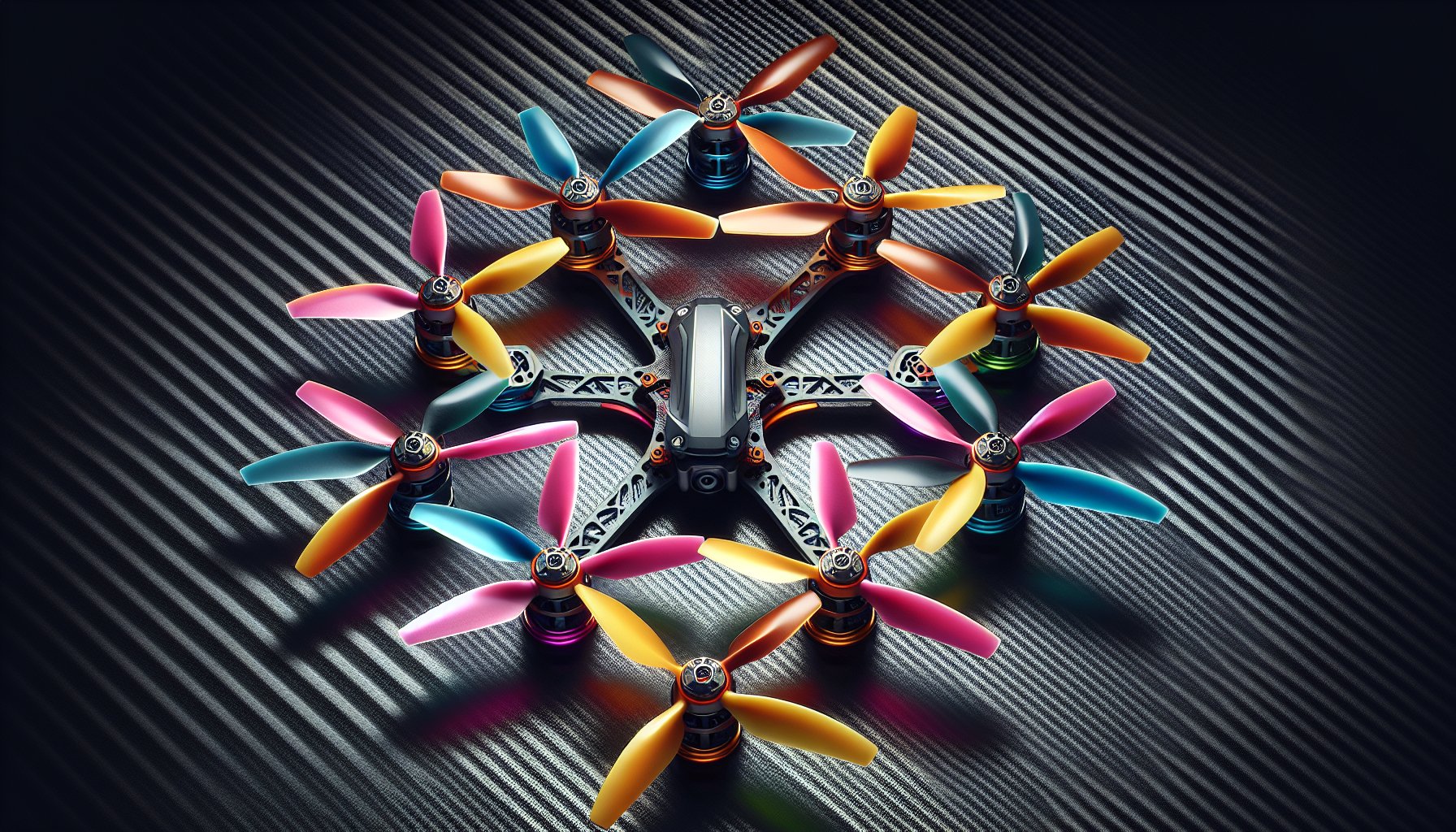
Understanding Miniquad Propeller Fundamentals
Selecting the right propeller for your miniquad represents one of the most critical decisions affecting flight performance, efficiency, and overall flying experience. This miniquad propeller buyers guide breaks down the essential factors that separate exceptional props from mediocre ones. Propellers serve as the primary interface between your quad’s power system and the air, converting rotational energy into thrust through carefully engineered blade geometry. The relationship between propeller characteristics and flight behavior becomes immediately apparent once you understand how pitch, diameter, blade count, and material composition influence performance metrics like acceleration, top speed, efficiency, and handling characteristics.
Modern miniquad propellers have evolved significantly from early plastic designs, incorporating advanced materials and aerodynamic principles borrowed from full-scale aviation. Today’s FPV pilots can choose from carbon fiber, polycarbonate, and hybrid constructions, each offering distinct advantages for specific flying styles. Racing pilots prioritize lightweight props with aggressive pitch for maximum acceleration and speed, while freestyle pilots often prefer more durable options that can withstand crashes and provide smooth, controllable flight characteristics. Understanding these fundamental differences helps narrow your selection before diving into specific technical specifications and brand comparisons.
Propeller Size and Pitch Explained
Propeller sizing follows a standardized format expressing diameter and pitch in inches, such as 5045 or 5040, where the first two digits indicate diameter and the last two represent pitch. Diameter determines the propeller’s overall size and directly affects the disc area through which air flows, while pitch represents the theoretical distance the propeller would advance through the air in one complete revolution. Higher pitch values generate more thrust per revolution but require more power to maintain RPM, creating a trade-off between efficiency and performance. Most 5-inch miniquads perform optimally with pitch values between 3.5 and 4.5 inches, though aggressive racing setups may push toward 5-inch pitch for maximum speed potential.
Material Considerations for Durability and Performance
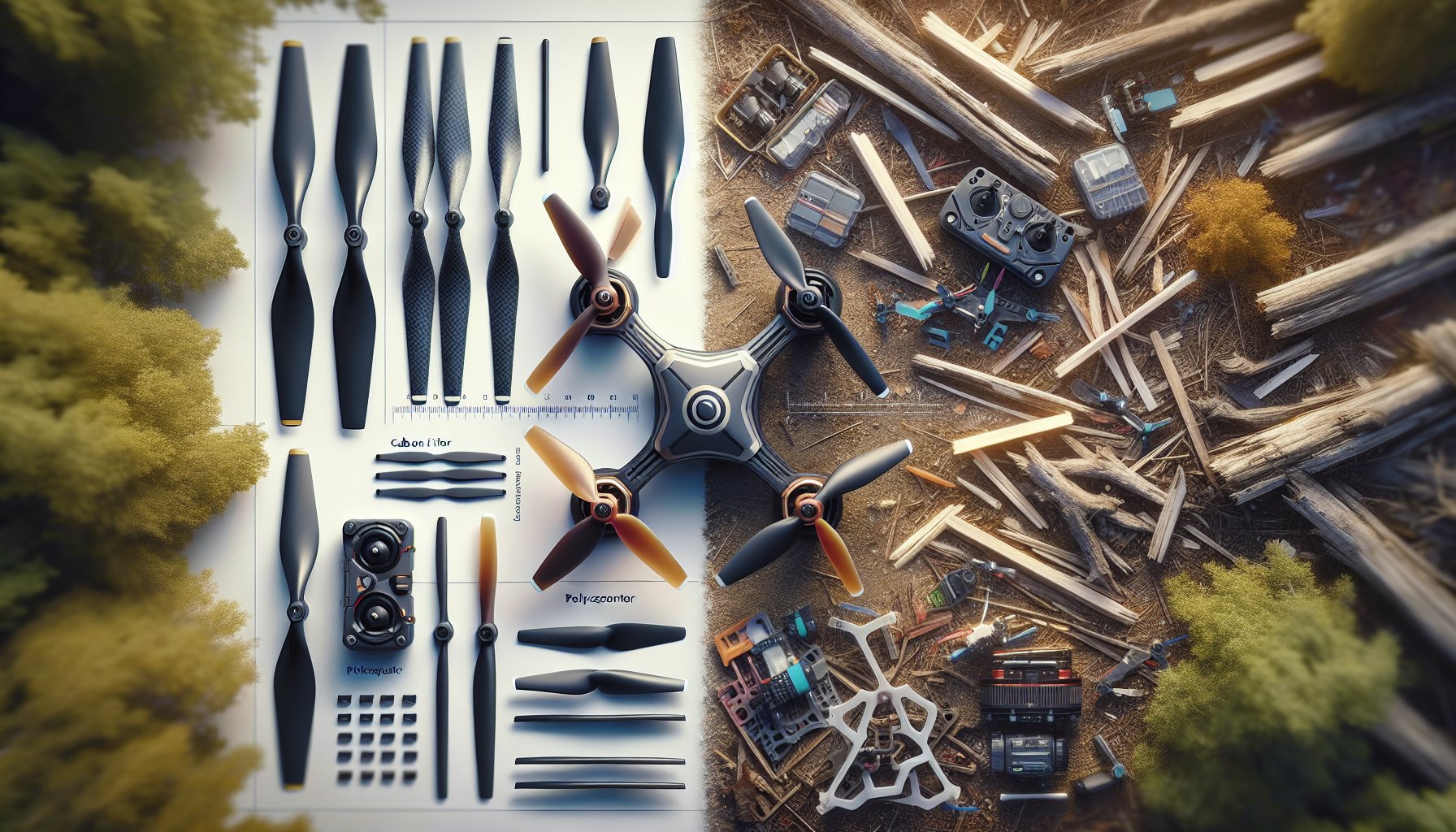
Carbon fiber propellers offer the ultimate in lightweight construction and aerodynamic efficiency, featuring minimal flex under load and excellent responsiveness to throttle inputs. However, carbon props shatter on impact rather than bending, making them expensive for pilots prone to crashes. Polycarbonate and nylon alternatives provide exceptional durability, often surviving crashes that would destroy carbon props, though they typically weigh 20-30% more and exhibit slightly reduced efficiency. Hybrid designs attempt to bridge this gap by incorporating carbon fiber reinforcement in high-stress areas while maintaining flexible tips that can absorb impact energy. Consider your skill level, flying environment, and budget when weighing material options, as beginners often benefit from starting with durable plastic props before graduating to carbon alternatives.
Choosing Props for Racing vs Freestyle Flying
Racing applications demand propellers optimized for maximum acceleration and top-end speed, typically featuring aggressive pitch angles and lightweight carbon construction. Popular racing props like the HQProp 5×4.3×3 or Gemfan 51466 prioritize efficiency at high throttle settings, providing excellent power-to-weight ratios that translate into competitive lap times. These props often sacrifice low-end torque and smooth throttle response in favor of peak performance, making them less suitable for technical freestyle maneuvers that require precise control at varying throttle positions. Racing pilots also benefit from props with reduced tip noise and vibration, as these characteristics indicate efficient airflow and minimal energy waste during high-speed flight.
Freestyle flying presents different requirements, emphasizing controllability, durability, and smooth power delivery across the entire throttle range. Freestyle-oriented props typically feature more conservative pitch angles and robust construction capable of surviving the inevitable crashes associated with learning new tricks. Props like the Gemfan 5152S or HQProp 5x4x3 provide excellent low-end grunt for quick direction changes and smooth transitions between power settings. The slightly higher weight of freestyle props can actually benefit certain maneuvers by providing more momentum and stability during inverted flight or rapid directional changes. Many freestyle pilots prefer tri-blade designs for their unique sound signature and slightly different flight characteristics compared to traditional two-blade configurations.
Tri-Blade vs Bi-Blade Configurations
Tri-blade propellers generate more thrust per revolution compared to bi-blade designs of similar diameter, allowing for smaller overall prop sizes while maintaining equivalent thrust output. This configuration proves particularly beneficial for pilots flying in confined spaces or those seeking unique acoustic signatures for their builds. However, tri-blades typically consume more power due to increased blade area and drag, potentially reducing flight times and requiring more robust power systems. The additional blade also creates more complex airflow patterns that can affect efficiency at high speeds, making tri-blades less popular among racing pilots focused on maximum velocity and efficiency.
Motor and ESC Compatibility Factors
Propeller selection must align with your motor’s specifications and ESC capabilities to achieve optimal performance and prevent component damage. High-pitch or large-diameter props increase motor load, potentially causing excessive current draw that can overheat ESCs or trigger protection circuits. Motor manufacturers typically provide propeller recommendations based on KV rating, with lower KV motors handling larger props more efficiently than high KV alternatives. A 2306 2400KV motor might perform optimally with 5040 props, while a 2207 2750KV motor could prefer 5030 or 5035 configurations. Always monitor motor temperatures and current consumption when testing new propeller configurations, as sustained overheating can permanently damage motor windings and reduce performance.
ESC specifications play an equally important role in propeller selection, as continuous current ratings must exceed the maximum draw created by your chosen prop and motor combination. Modern 4-in-1 ESCs typically handle 30-50 amps per channel, providing adequate headroom for most 5-inch configurations, though extreme setups with large props or low KV motors may approach these limits. Consider using telemetry-enabled ESCs to monitor real-time current draw and temperatures during initial testing phases. This data helps optimize prop selection while ensuring component longevity and reliable performance across various flying conditions and throttle positions.
Balancing Performance and Efficiency
Finding the optimal balance between performance and efficiency requires understanding how propeller characteristics affect flight time, handling, and overall flying experience. Aggressive props with high pitch angles provide excellent acceleration and top speed but consume significantly more power, reducing flight times and potentially causing thermal issues during extended flying sessions. Conservative prop choices extend flight times and reduce component stress but may feel sluggish during aggressive maneuvers or competitive flying. Most pilots benefit from testing multiple propeller options to identify the sweet spot that matches their flying style, skill level, and performance expectations while maintaining reasonable flight times and component temperatures.
Popular Miniquad Propeller Brands and Models
HQProp has established itself as a leading manufacturer in the FPV community, offering both budget-friendly and premium propeller options across various sizes and configurations. Their 5×4.3×3 racing props provide excellent efficiency and durability, while the DP series features advanced blade profiles optimized for specific applications. Gemfan represents another popular choice, particularly known for their Hurricane and Flash series props that balance performance with affordability. The Gemfan 51466 has become a staple among racing pilots for its exceptional speed characteristics, while their 5152S offers excellent freestyle performance with robust construction suitable for learning environments.
Premium manufacturers like T-Motor and Cyclone focus on high-end carbon fiber constructions with advanced aerodynamic designs and precise manufacturing tolerances. These props typically cost 2-3 times more than budget alternatives but offer measurable improvements in efficiency, vibration reduction, and overall flight quality. T-Motor’s T5146 and T5143 props feature sophisticated blade profiles developed through computational fluid dynamics analysis, resulting in props that perform exceptionally well across various flight conditions. Cyclone props incorporate unique blade tip designs and carbon fiber layup techniques that minimize flex while maximizing strength-to-weight ratios, making them popular among competitive pilots seeking every possible advantage.
Budget vs Premium Propeller Options
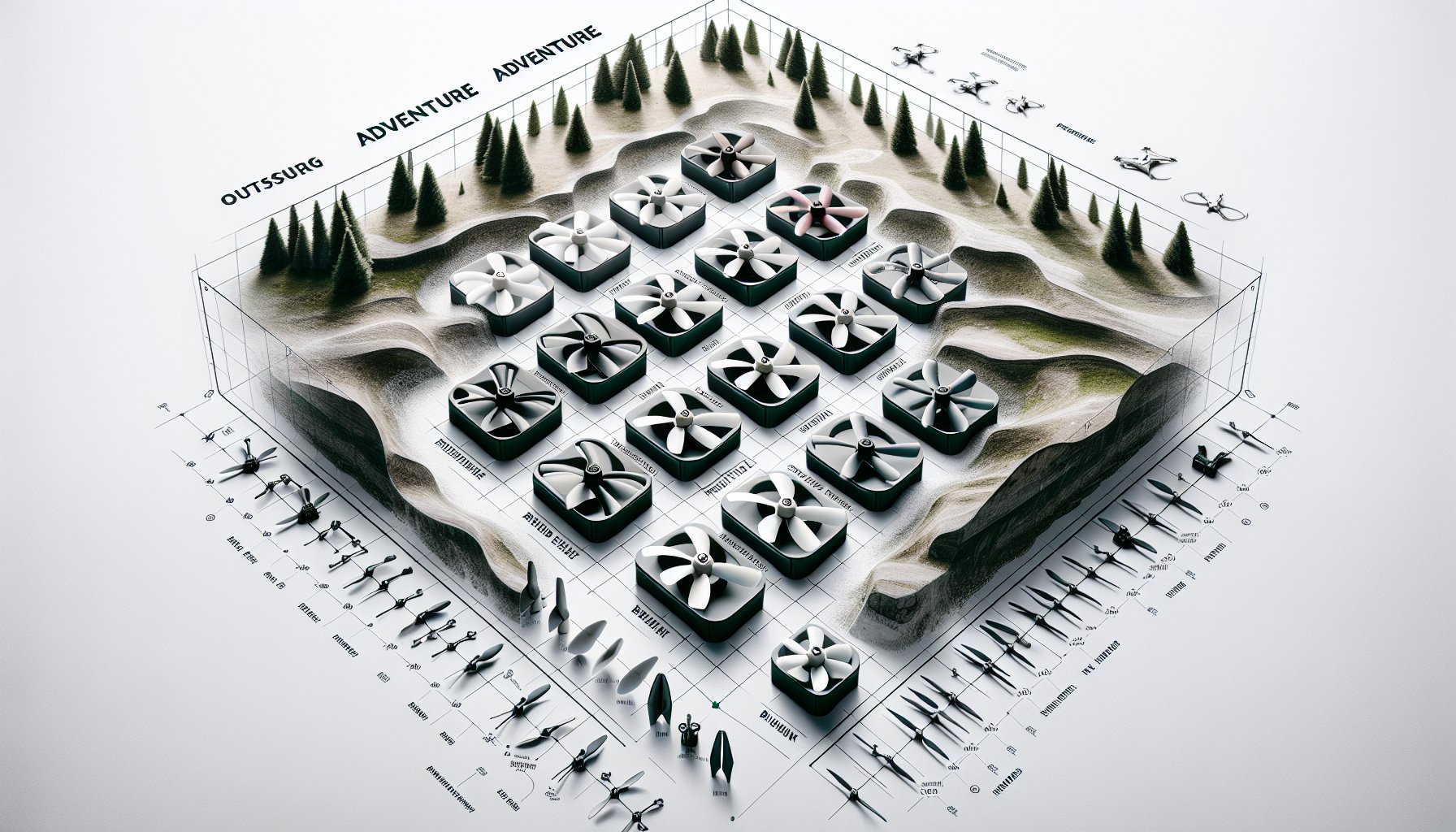
Budget propellers typically range from $2-5 per set and offer acceptable performance for beginners and casual pilots, though they may exhibit higher manufacturing tolerances and reduced durability compared to premium alternatives. These props work well for learning basic flight skills and exploring different configurations without significant financial investment. However, budget props may produce more vibration, consume slightly more power, and require more frequent replacement due to material limitations. Premium props costing $8-15 per set justify their higher price through improved manufacturing precision, advanced materials, and optimized aerodynamic designs that translate into measurable performance improvements and longer service life.
Installation and Maintenance Best Practices
Proper propeller installation begins with ensuring clean motor shafts and undamaged prop adapters or nuts that secure props to motors. Always verify correct rotation direction before first flight, as reversed props will cause your quad to flip immediately upon takeoff. Most flight controllers display motor direction in configurator software, with motors 1 and 4 typically rotating clockwise while motors 2 and 3 rotate counterclockwise. Tighten propeller nuts firmly but avoid over-tightening, which can strip threads or crack prop hubs. Use thread locker on prop nuts to prevent loosening during flight, but choose removable formulations that allow easy prop changes without damaging components.
Regular propeller inspection prevents in-flight failures and maintains optimal performance throughout their service life. Check for cracks, chips, or excessive wear after every few flights, paying particular attention to blade tips and hub areas where stress concentrations occur. Small nicks can often be sanded smooth, but any cracks or significant damage warrant immediate replacement to prevent catastrophic failure during flight. Balance new propellers using a prop balancer to eliminate vibrations that can affect camera stability and component longevity. Store spare props in protective cases to prevent damage during transport, and always carry extras when flying away from home base.
Troubleshooting Common Propeller Issues
Excessive vibration often indicates unbalanced or damaged propellers, though motor bearing wear or bent motor shafts can produce similar symptoms. Start troubleshooting by swapping suspected props to different motor positions to isolate the source of vibration. If vibration follows a specific propeller, replace or rebalance it before continuing flight operations. Unusual noise during flight may indicate props hitting the frame due to motor mount flex or improper prop selection for your specific frame design. Always verify adequate clearance between prop tips and frame components, particularly during hard maneuvers that can cause frame flex or motor movement.
Frequently Asked Questions
What size propellers should I use on my 5-inch miniquad?
Most 5-inch miniquads perform best with 5040 to 5045 propellers for racing, or 5030 to 5035 for freestyle flying. The choice depends on your motor KV, flying style, and desired balance between performance and efficiency.
Are carbon fiber props worth the extra cost?
Carbon fiber props offer superior performance and efficiency but cost more and break rather than bend in crashes. They’re worth it for experienced pilots prioritizing performance, while beginners often benefit from starting with durable plastic alternatives.
How often should I replace my miniquad propellers?
Replace props immediately if cracked or significantly damaged. With normal use, quality props can last 10-20 flights, though aggressive flying or frequent crashes may require more frequent replacement for optimal performance.
Can I mix different propeller brands on the same quad?
While technically possible, mixing propeller brands can create imbalanced thrust and handling characteristics. For best results, use identical props on all four motors and replace complete sets rather than individual props.
What’s the difference between tri-blade and bi-blade propellers?
Tri-blade props generate more thrust per revolution and create unique sound signatures but consume more power and may reduce top-end efficiency. Bi-blade props offer better efficiency and are more common in racing applications.
Ready to Optimize Your Miniquad’s Performance?
Choosing the right propellers can transform your flying experience, whether you’re chasing lap records or perfecting freestyle tricks. Our team of FPV experts can help you select the perfect props for your specific setup and flying style. Contact us today for personalized recommendations that will take your miniquad to new performance heights while staying within your budget and skill level.