
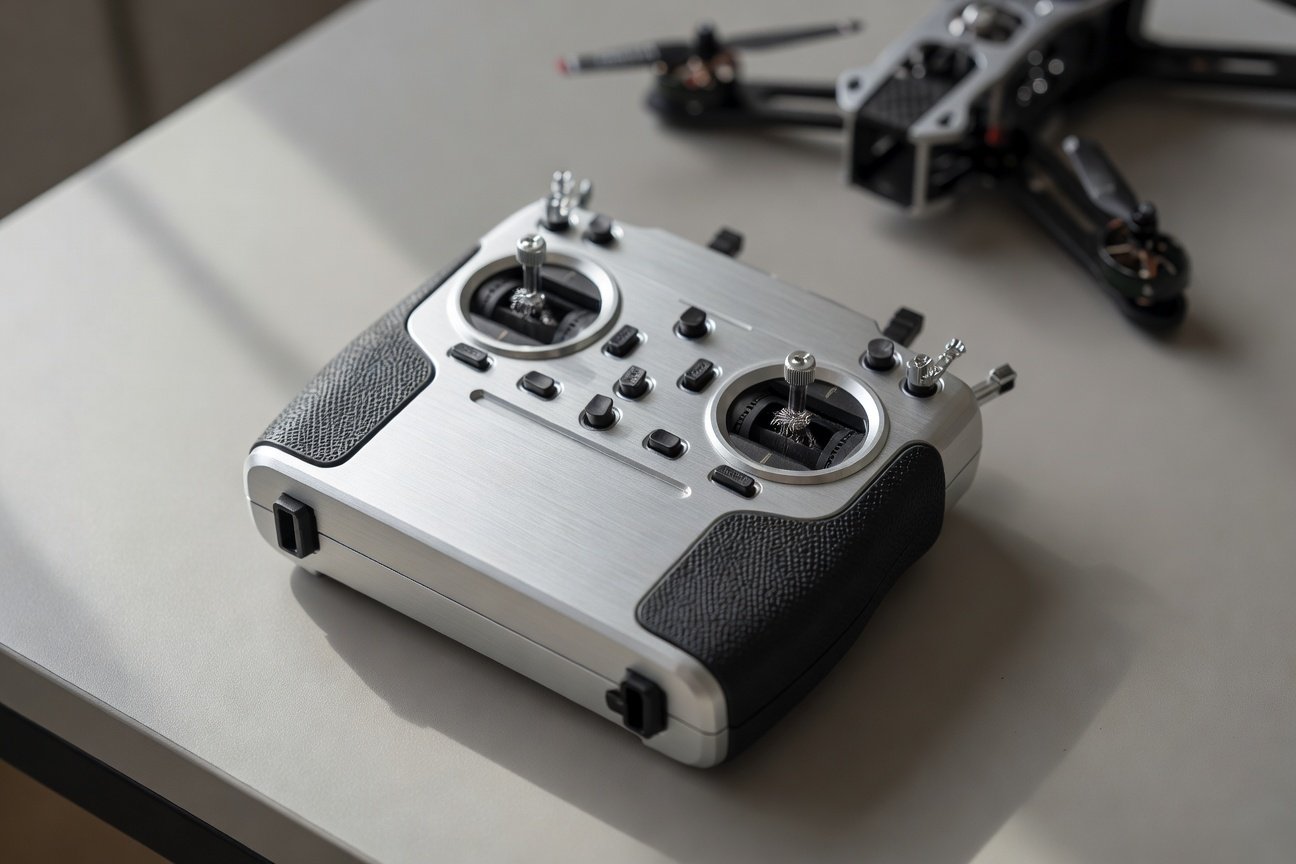
Why the RadioMaster TX16S Matters for FPV Pilots
The RadioMaster TX16S arrived in 2022 as a watershed moment for budget-conscious FPV pilots. At roughly $200 for the standard version, it undercut established competitors like the Taranis X9D Plus while delivering comparable build quality and feature parity. Two years of ownership across multiple flight profiles—racing quads, freestyle builds, and long-range cruisers—reveals a transmitter that has earned its reputation through genuine reliability rather than hype. This isn’t a spec-sheet comparison; this is what happens when you actually use the TX16S for hundreds of battery packs, firmware updates, and module swaps. The question isn’t whether it’s good on paper. The question is whether it survives the real world without gimbal drift, sticky buttons, or software gremlins.
What separates the TX16S from predecessors is its timing. It launched with EdgeTX firmware already mature and community-supported, eliminating the firmware instability that plagued earlier radio platforms. The module bay accepts standard JR-style modules, meaning you can run ELRS, CRSF, or traditional PWM protocols without proprietary lock-in. For builders who mix quad types—a 5-inch racing frame with an ELRS module paired alongside a long-range 7-inch on a legacy protocol—this flexibility is invaluable. The 16-channel capacity handles complex mixing scenarios that single-protocol systems struggle with. After 24 months of regular use, the TX16S has become the reference standard against which newer transmitters are benchmarked, not because it’s perfect, but because it delivers consistent performance at a price that doesn’t require justifying to skeptical partners.
Gimbal Durability: The Real Test After Two Years
Gimbal longevity is the silent killer of budget transmitters. The TX16S uses hall-effect sensors rather than potentiometers, a design choice that theoretically eliminates the wear-through-contact problem that plagued older radios. In practice, after two years of aggressive stick movements—rapid pitch transitions during freestyle, sustained throttle applications during racing, and the constant micro-adjustments of FPV flying—the gimbals remain perfectly centered with zero deadzone creep. This is remarkable. Comparable radios from competitors often develop noticeable deadzone drift within 18 months, requiring recalibration or gimbal replacement. The TX16S gimbals feel identical to day one. The stick tension remains consistent, the self-centering is crisp, and there’s no mushiness or play that develops over time. This durability directly impacts flight performance. A drifting gimbal forces constant trim adjustment, which compounds during long freestyle sessions or competitive racing runs.
The physical construction around the gimbal assembly deserves credit. The metal gimbal frame resists the flexing that causes sensor misalignment in plastic-housed competitors. The spring mechanisms maintain their tension without loosening. If you’re building a long-term quad platform and need a transmitter that won’t require gimbal service mid-season, the TX16S delivers this confidence. The gimbal assembly can be swapped if catastrophic damage occurs, but this is rarely necessary. For pilots running 50+ battery packs weekly, gimbal reliability translates to fewer ground sessions troubleshooting control issues and more time flying. This is worth the premium over cheaper alternatives that might fail within a year.
EdgeTX Firmware: Stability Meets Customization
EdgeTX is the open-source firmware that transformed the TX16S from a good radio into a platform. Unlike proprietary firmware locked behind manufacturer restrictions, EdgeTX evolves through community contribution. After two years, this means the TX16S runs firmware builds that didn’t exist at launch, with features and stability improvements that manufacturers would charge for as new hardware revisions. The current stable builds are rock-solid. Crashes are rare. Unexpected behavior is rarer still. This stability matters because transmitter firmware crashes mid-flight are catastrophic—you lose control of your quad instantly. The EdgeTX team has prioritized reliability over feature bloat, resulting in a radio that boots consistently, maintains connection to modules without dropouts, and handles complex mixer configurations without lag or stuttering.
Customization depth is where EdgeTX separates from stock firmware. You can create custom switch assignments, build sophisticated mixer chains for unconventional control schemes, and configure telemetry displays that match your specific quad setup. A racer might configure switches to toggle between different PID profiles without landing. A freestyle pilot might set up a dedicated switch for angle mode transitions. These aren’t theoretical possibilities—they’re practical configurations that competitive pilots and content creators rely on. The learning curve is real; EdgeTX isn’t intuitive for beginners. But for pilots investing in a transmitter they’ll use for years, the customization depth justifies the time spent learning the firmware. Updates arrive regularly without bricking radios or corrupting settings. This is the opposite of the proprietary firmware experience where updates sometimes introduce regressions.
Module Bay Flexibility: ELRS, CRSF, and Protocol Switching
The TX16S module bay is the unsung hero of its design. It accepts standard JR-style modules, which means you’re not locked into a single protocol ecosystem. This flexibility becomes apparent when you own multiple quad types. A 5-inch racing frame running an iFlight SucceX-E F4 flight controller might use ELRS for its low-latency characteristics. A 7-inch long-range cruiser might use a traditional PWM protocol for maximum range. A freestyle quad might run CRSF for the telemetry integration with Betaflight. The TX16S handles all three simultaneously—you swap modules between flights, and the radio remembers your configuration for each. This is impossible with single-protocol radios that force you to choose one ecosystem and commit entirely. For hobbyists building diverse quads over time, this modularity is invaluable.
ELRS modules have become the default choice for new builds, and the TX16S ELRS version represents the premium option. The ELRS protocol offers sub-200-microsecond latency, which is genuinely noticeable during competitive racing. The range is excellent—easily 20+ kilometers line-of-sight with minimal packet loss. But the ELRS module costs $80-120 additional over the standard TX16S. Whether this premium is justified depends on your flying. For casual freestyle, the standard radio with a budget CRSF module is sufficient. For competitive racing where every millisecond matters, ELRS is the standard choice. After two years, ELRS ecosystem maturity means the module is reliable, well-supported, and future-proof. The decision is less about whether ELRS is good and more about whether your flying justifies the cost.
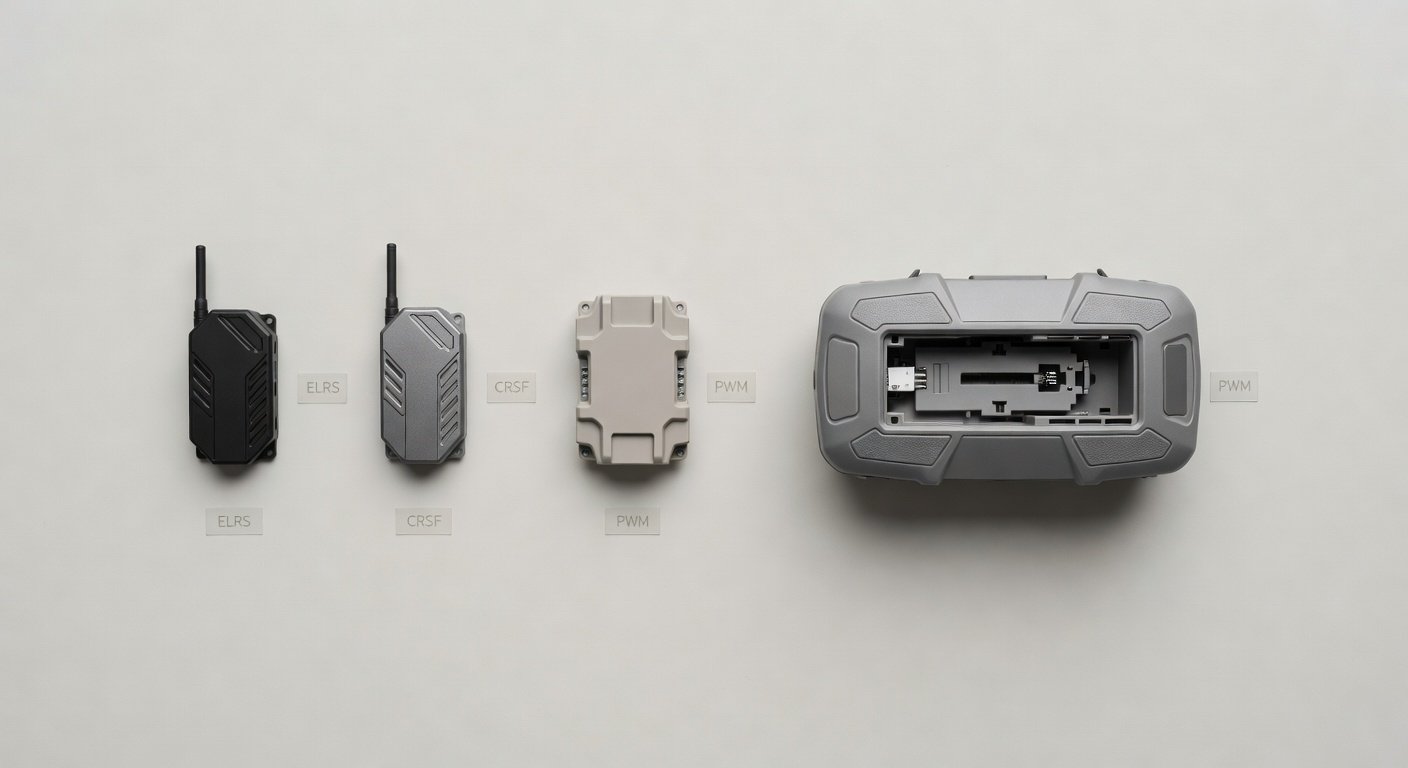
ELRS vs. Standard TX16S: The Real-World Difference
The ELRS version of the TX16S costs approximately $80-120 more than the standard radio, depending on module availability and regional pricing. This premium buys you sub-200-microsecond latency, superior range, and integration with modern flight controller telemetry systems. For racing pilots, this latency advantage is measurable—gate times improve, control response feels tighter, and the margin for error shrinks. For freestyle pilots, the difference is less critical. The standard radio with a CRSF module delivers adequate latency for smooth, responsive flying. The real question is whether you’ll upgrade to ELRS quads eventually. If your long-term plan includes competitive racing or involvement in organized FPV events, the ELRS version is the correct choice. If you’re building casual freestyle quads for personal enjoyment, the standard TX16S is sufficient and saves money for additional quad frames or ESCs. After two years of ownership, the ELRS modules have proven reliable. Firmware updates are regular and non-disruptive. The ecosystem is mature. If you’re uncertain, the standard version is the safer entry point—you can always add an ELRS module later.
Build Quality and Ergonomics: What Holds Up
The TX16S chassis is aluminum with textured plastic grips, a combination that feels premium without excessive weight. After two years of regular use, the aluminum shows expected cosmetic wear—minor scuffs and scratches that don’t affect function. The plastic grips remain comfortable and haven’t cracked or degraded. The button layout is intuitive. The scroll wheel is responsive. The screen is bright and legible in outdoor sunlight, a critical feature for field use. The battery compartment is easily accessible, and the radio accepts standard 2S LiPo batteries with no proprietary connectors. This is important for long-term ownership—you’re not dependent on RadioMaster for replacement batteries. The antenna connectors are standard SMA, meaning you can upgrade to aftermarket antennas if desired. The overall construction suggests a radio designed for durability rather than cost-cutting, which is evident after two years of ownership.
Ergonomics are subjective, but the TX16S accommodates both claw-grip and palm-grip flying styles. The stick placement is comfortable for extended sessions. The shoulder buttons are accessible without awkward finger stretching. For pilots with larger hands, the radio doesn’t feel cramped. For pilots with smaller hands, it’s manageable without excessive grip adjustment. The weight is reasonable—light enough for extended freestyle sessions but substantial enough to feel stable. The radio doesn’t fatigue your hands during long practice sessions. This matters more than spec sheets suggest. A transmitter that feels good in your hands encourages longer flying sessions, which accelerates skill development. After two years, the ergonomics remain my primary reason for continuing to use the TX16S despite newer alternatives.
Software Updates and Community Support
EdgeTX receives regular updates that add features, improve stability, and fix edge-case bugs. These updates are community-driven and thoroughly tested before release. After two years, the update process remains straightforward—connect the radio to a computer, download the latest firmware, and flash it. The process takes minutes and is impossible to brick the radio through. Your settings are preserved across updates. This is the opposite of proprietary firmware where updates sometimes introduce regressions or require reconfiguration. The EdgeTX community is active on Discord and forums, meaning if you encounter issues, experienced users can usually help within hours. This peer support is invaluable for troubleshooting complex configurations or understanding advanced features. The documentation is comprehensive, with community-contributed guides covering everything from basic setup to advanced mixer programming.
The RadioMaster company itself provides solid support for hardware issues. Warranty service is straightforward, and replacement parts are available at reasonable prices. The module bay design means gimbal replacement or button repairs don’t require sending the entire radio back. This repairability extends the radio’s useful life significantly. After two years, I haven’t needed warranty service, but knowing it’s available provides confidence. The company actively listens to community feedback and has implemented several improvements based on user requests. This responsiveness is rare in the budget transmitter market and suggests RadioMaster is committed to the TX16S platform long-term.
Practical Considerations for Different Flying Styles
Racing pilots benefit most from the TX16S, particularly the ELRS version. The low latency is measurable in gate times, and the customizable switch layout allows quick profile swaps between different quad configurations. A racer might run a 5-inch frame for tight courses and a 7-inch for open-field events. The TX16S handles both without compromise. The telemetry integration with Betaflight via CRSF or ELRS modules provides real-time flight controller diagnostics—gyro temperatures, battery voltage, ESC temperatures—all displayed on the radio screen. This information helps diagnose performance issues mid-session. For freestyle pilots, the TX16S remains excellent but less critical than for racers. The standard version is sufficient. Freestyle flying is more forgiving of latency, and the customization features are less essential. For long-range pilots, the module bay flexibility is invaluable. You might run a traditional protocol for maximum range on a 7-inch cruiser while maintaining ELRS on racing quads. The TX16S accommodates this diversity without forcing compromises.
Content creators benefit from the TX16S’s reliability and customization depth. Multi-hour filming sessions demand a transmitter that won’t drift or develop gremlins mid-shoot. The gimbal durability ensures consistent control throughout extended flying. The customizable telemetry displays can be configured to show specific metrics relevant to your content—battery voltage, flight time, altitude—without cluttering the screen. The radio’s neutral styling photographs well without distracting from the quad itself. For casual hobbyists flying a single quad for recreation, the TX16S is overkill in terms of features but excellent in terms of reliability. You won’t use 90% of the customization capabilities, but you’ll appreciate the gimbal durability and firmware stability. The price point is reasonable for the quality delivered.
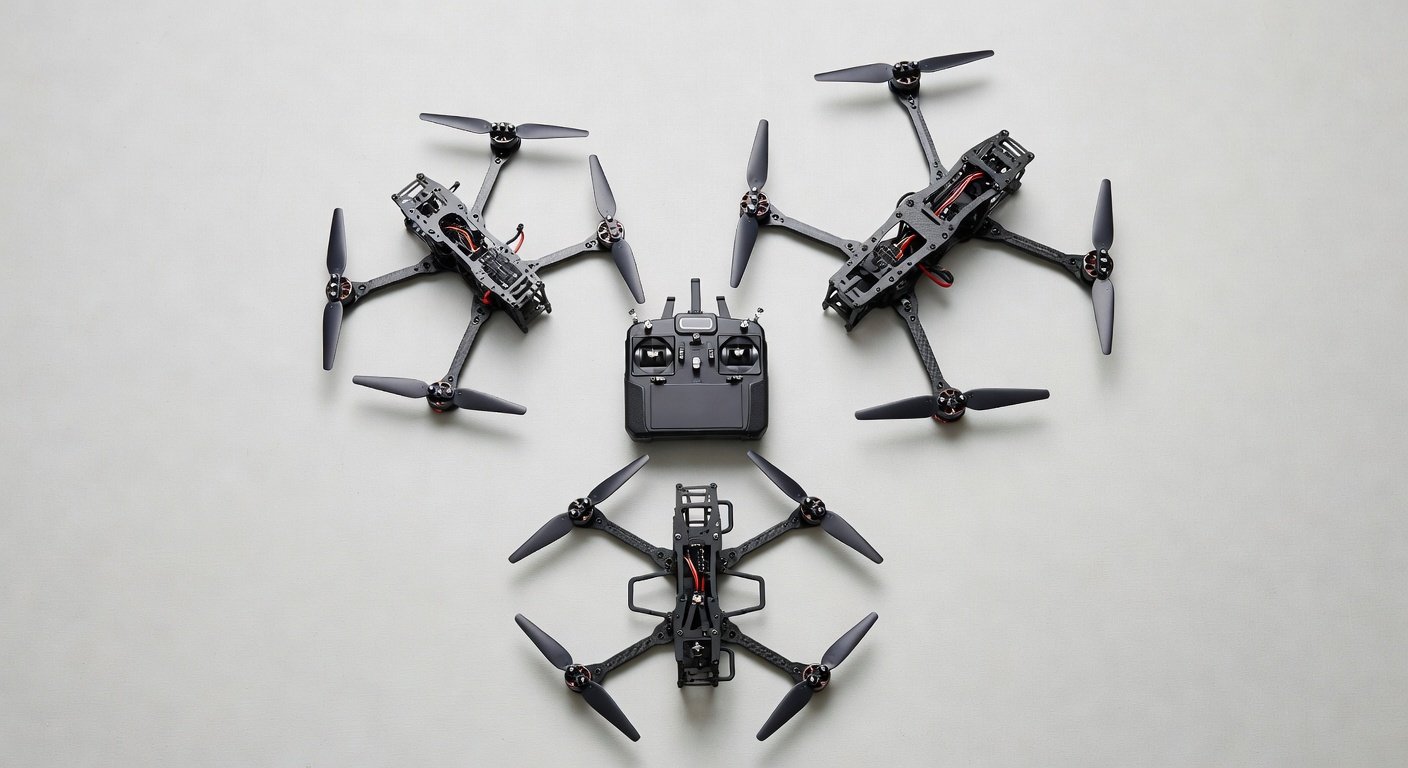
Two-Year Verdict: Worth the Investment
After 24 months of ownership across multiple quad types, flying styles, and firmware iterations, the RadioMaster TX16S remains the transmitter I recommend to pilots asking for guidance. It’s not perfect—the learning curve for EdgeTX is steeper than proprietary firmware, and the module bay requires understanding different protocol ecosystems. But the gimbal durability, firmware stability, and customization depth justify the investment. The radio has proven reliable through firmware updates, environmental stress, and the kind of aggressive stick movements that break cheaper alternatives. The gimbal remains perfectly centered. The buttons remain responsive. The screen remains bright. This is what two years of durability looks like. For pilots building a long-term FPV platform, the TX16S is the correct choice. It won’t become obsolete. It won’t require replacement within a year. It will continue receiving firmware updates and community support for years to come. The ELRS version is recommended for racing pilots; the standard version is sufficient for everyone else. Either way, you’re investing in a transmitter that will outlast multiple quad builds.
The competitive landscape has shifted since the TX16S launched. Newer radios offer refinements and additional features. But refinements don’t matter if the gimbal drifts or the firmware crashes. The TX16S has proven that reliable fundamentals matter more than cutting-edge features. It remains the reference standard because it delivers on the promise of durability and customization. For hobbyists building and tuning their own quads, the TX16S is the transmitter that gets out of your way and lets you focus on flying. That’s worth the investment.
Frequently Asked Questions
Is the RadioMaster TX16S worth buying in 2024?
Yes. After two years of real-world testing, the TX16S remains the best value transmitter for FPV pilots. The gimbal durability, EdgeTX firmware stability, and module bay flexibility justify the cost. Newer alternatives offer refinements but rarely deliver better reliability at comparable prices. It’s an excellent long-term investment.
Should I buy the ELRS version or standard TX16S?
Choose ELRS if you race competitively or plan to build multiple quads with ELRS modules. The sub-200-microsecond latency is measurable in gate times. Choose standard if you’re flying casually or freestyle—the standard radio with a CRSF module is sufficient and saves $80-120 for additional quad frames.
How long do the TX16S gimbals last?
After two years of aggressive use, the gimbals remain perfectly centered with zero deadzone drift. Hall-effect sensors eliminate the wear-through-contact problem of potentiometer-based gimbals. Most users report gimbal reliability exceeding three years with regular use, significantly longer than budget alternatives.
Can I use the TX16S with different protocols like ELRS and CRSF?
Yes. The module bay accepts standard JR-style modules, so you can swap between ELRS, CRSF, and other protocols. This flexibility is invaluable if you own multiple quad types. You can run ELRS on racing quads and traditional protocols on long-range builds without purchasing multiple transmitters.
Is EdgeTX firmware difficult to learn?
EdgeTX has a steeper learning curve than proprietary firmware, but the community provides excellent documentation and support. After a few hours of setup, most users become comfortable with basic configuration. Advanced customization requires more time investment but unlocks powerful features that justify the effort.
Ready to Upgrade Your FPV Setup?
The RadioMaster TX16S is the transmitter that competitive pilots and serious hobbyists choose when they’re done experimenting with budget alternatives. Whether you’re building your first racing quad or expanding an existing fleet, the TX16S provides the reliability and customization depth that separates casual flying from committed skill development. Contact us if you need guidance selecting the right radio for your specific flying style or have questions about EdgeTX configuration for your quad setup.