
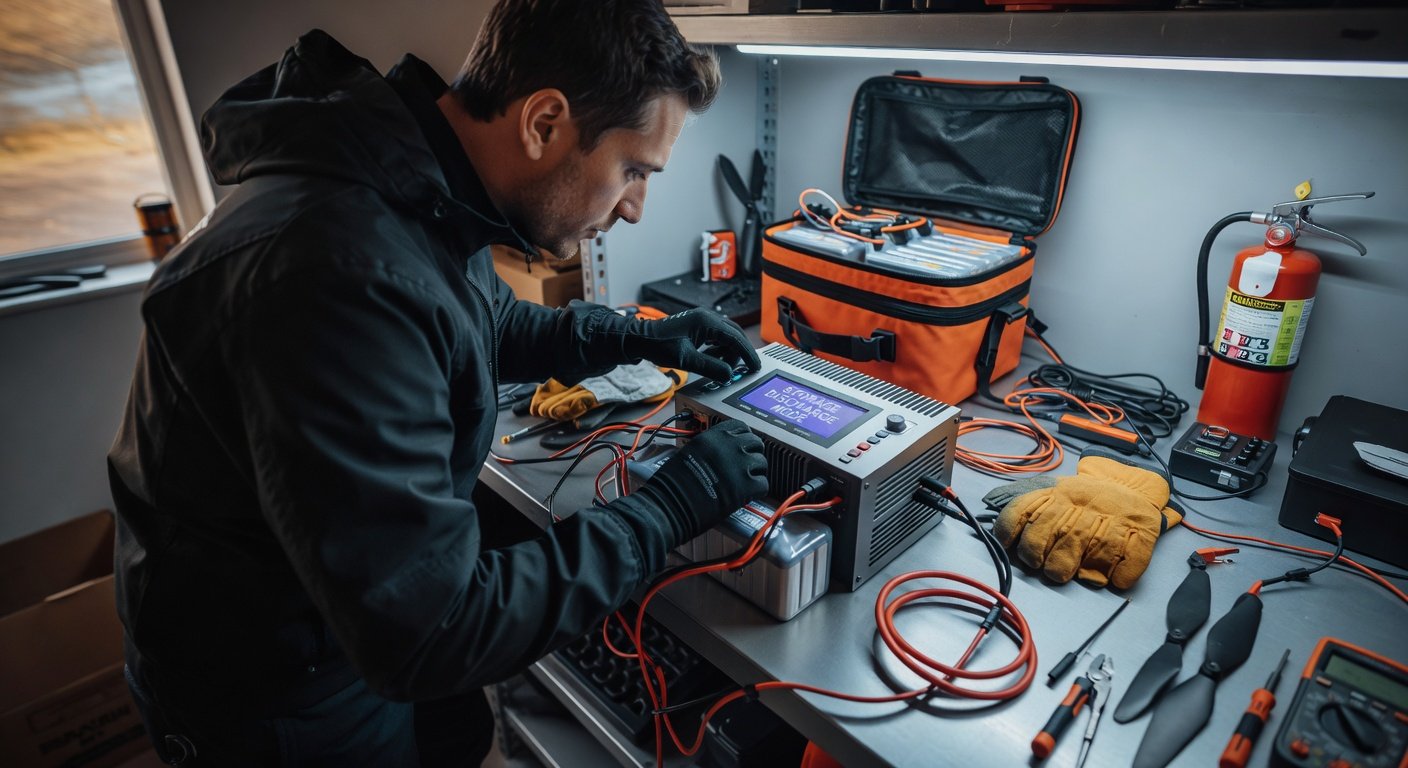
Why You Need to Safely Discharge LiPo Battery Packs
Learning to safely discharge LiPo battery packs represents one of the most critical skills every FPV pilot must develop. Lithium polymer batteries store tremendous energy density, making them perfect for powering high-performance racing quads and freestyle rigs. However, this same energy density creates serious safety hazards when batteries remain at full charge for extended periods. Overcharged cells can experience thermal runaway, leading to fires, toxic gas release, and property damage. Professional FPV pilots understand that proper battery management extends far beyond simply unplugging chargers after sessions.
Storage voltage maintenance becomes particularly important when you own multiple battery packs or fly seasonally. Many pilots accumulate dozens of LiPo packs during active flying periods, then store them improperly during winter months or travel breaks. Batteries left at full charge gradually self-discharge unevenly across cells, creating dangerous voltage imbalances. These imbalances stress individual cells beyond safe operating parameters, potentially causing permanent damage or safety hazards. Understanding discharge procedures protects your investment while preventing dangerous situations that could harm you, your family, or your property.
Understanding LiPo Battery Voltage and Storage Requirements
Every FPV pilot must understand the relationship between cell voltage and battery health when learning to safely discharge LiPo battery systems. Standard LiPo cells operate between 3.0V minimum and 4.2V maximum per cell, with 3.8V representing the ideal storage voltage. This storage voltage maintains chemical stability within cells while preventing the gradual capacity loss associated with extended high-voltage storage. Racing pilots often push batteries to 4.35V per cell using high-voltage chargers, but these packs require even more careful discharge management due to increased chemical stress at elevated voltages.
Temperature significantly affects discharge rates and safety margins during storage preparation. Cold temperatures slow chemical reactions within cells, reducing self-discharge rates but potentially masking voltage imbalances. Warm environments accelerate chemical activity, increasing fire risk if batteries remain at high charge states. Smart pilots monitor ambient temperatures in storage areas, adjusting discharge schedules accordingly. Battery management systems integrated into modern chargers provide automated storage discharge functions, but understanding manual procedures ensures you can safely discharge LiPo battery packs regardless of available equipment.
Calculating Proper Storage Voltage for Multi-Cell Packs
Multi-cell configurations require careful voltage calculations to safely discharge LiPo battery packs to appropriate storage levels. A 4S pack should read approximately 15.2V total when properly discharged for storage, representing 3.8V per cell across four cells in series. Similarly, 6S packs target 22.8V storage voltage, while popular 3S racing packs should measure 11.4V when ready for long-term storage. These calculations assume perfectly balanced cells, but real-world packs often display slight variations between individual cell voltages due to manufacturing tolerances and usage patterns.
Safe Discharge Methods for FPV Battery Packs
Multiple effective methods exist to safely discharge LiPo battery packs, each offering distinct advantages depending on your specific situation and available equipment. Computerized battery chargers with storage discharge functions provide the most controlled and precise method for reaching target voltages. These chargers monitor individual cell voltages throughout the discharge process, automatically stopping when storage voltage is reached while maintaining perfect balance across all cells. High-end chargers like the ISDT or SkyRC series offer programmable discharge rates, allowing you to balance speed against heat generation during the process.
Passive discharge methods using dedicated discharge boards or resistor banks offer reliable alternatives when computerized chargers are unavailable. These devices draw consistent current loads while dissipating energy as heat through precision resistors. Quality discharge boards include voltage monitoring and automatic cutoff features to prevent over-discharge damage. However, passive methods require careful monitoring since they lack the sophisticated cell balancing capabilities found in modern chargers. Pilots using passive discharge methods should check individual cell voltages regularly throughout the process to ensure balanced discharge across all cells.
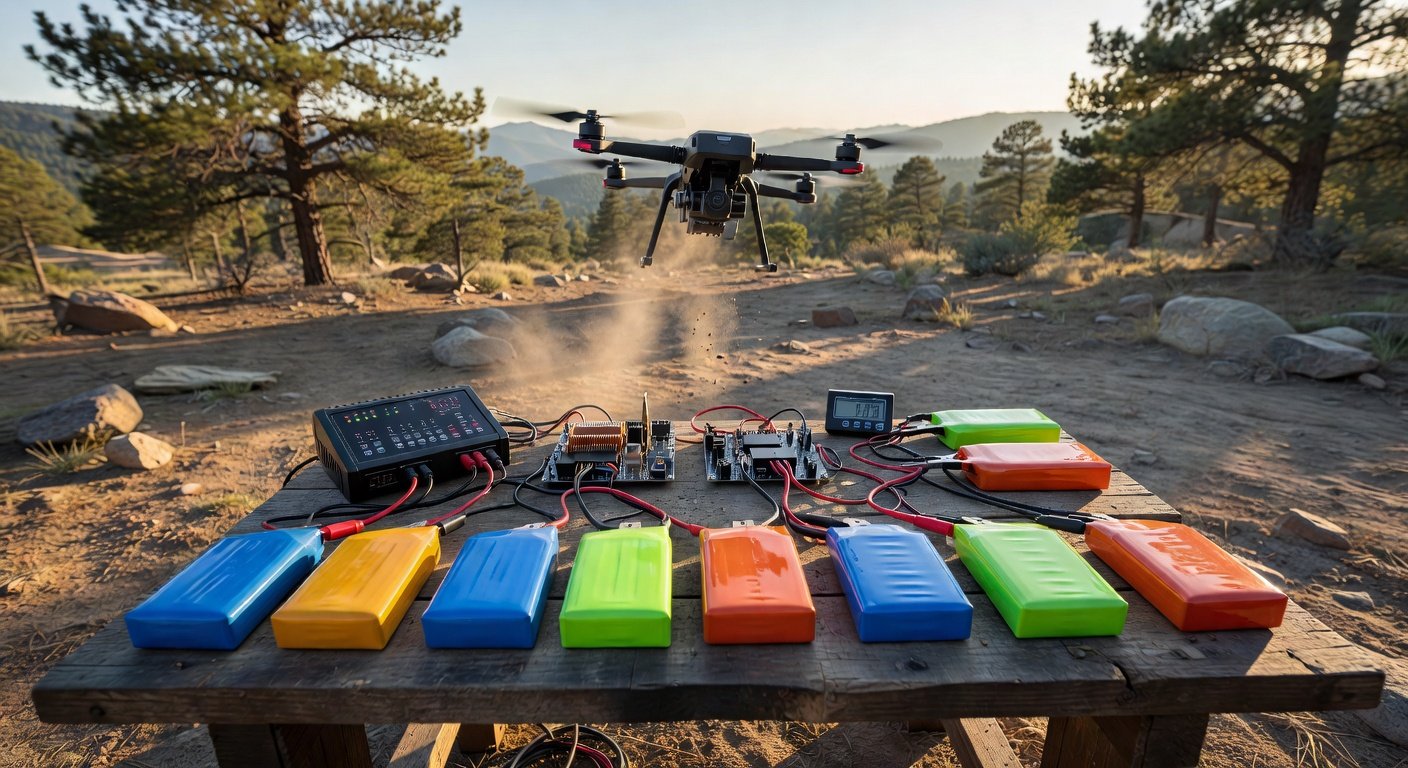
Using Your FPV Drone for Controlled Discharge
Your FPV quadcopter itself provides an excellent tool to safely discharge LiPo battery packs through controlled flight sessions or bench testing procedures. Flying at moderate throttle levels while monitoring voltage telemetry allows precise control over discharge rates while enjoying actual flight time. This method works particularly well for pilots who regularly fly and want to combine battery maintenance with skill development. However, avoid aggressive maneuvers or high-current draws that could stress cells unevenly or create dangerous voltage sag conditions during the discharge process.
Safety Protocols During LiPo Battery Discharge
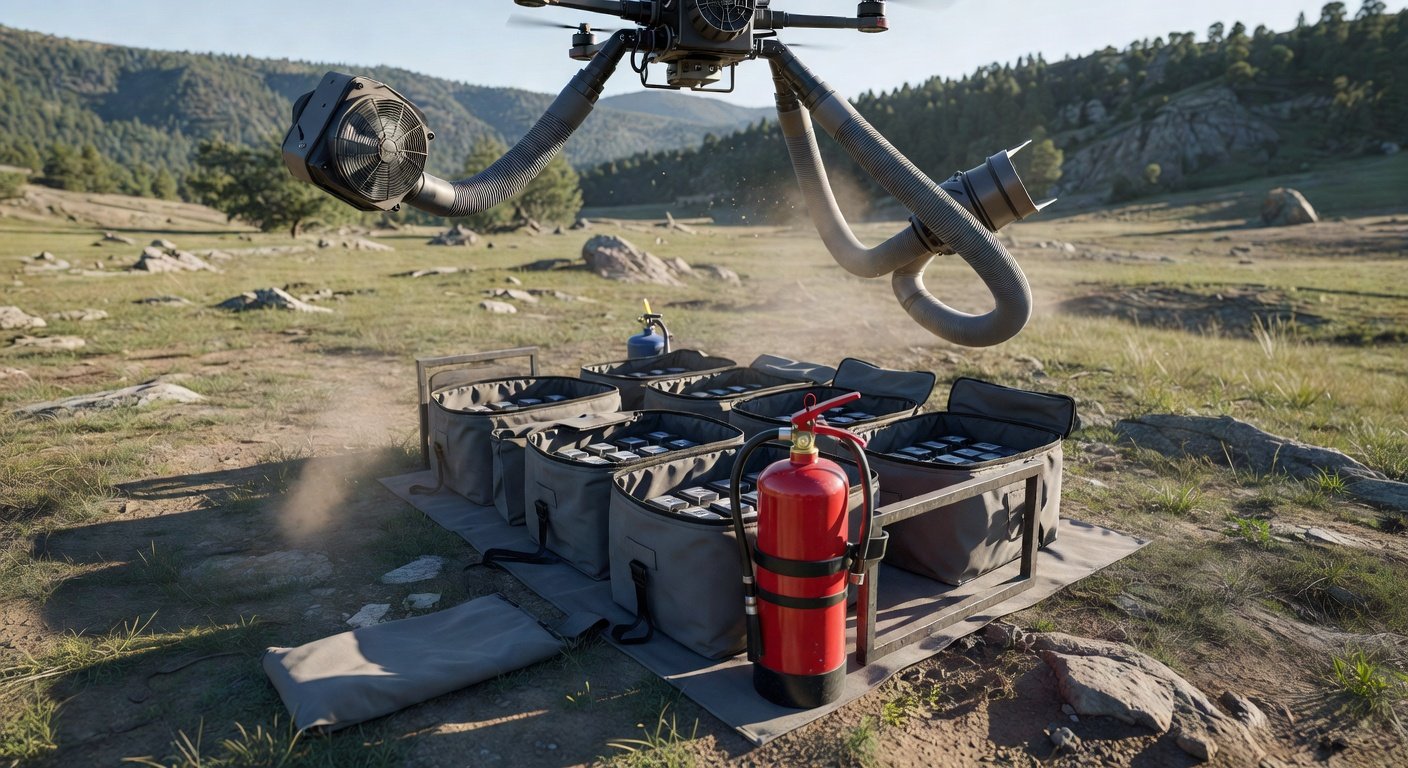
Implementing comprehensive safety protocols while learning to safely discharge LiPo battery packs prevents accidents and protects both equipment and property. Always discharge batteries in fireproof containers or designated charging areas equipped with appropriate fire suppression materials. LiPo-safe bags provide excellent containment for individual packs during discharge, while metal ammunition boxes offer superior protection for multiple batteries. Never discharge batteries unattended, regardless of the method used or confidence in your equipment. Battery fires can develop rapidly with little warning, requiring immediate response to prevent property damage or personal injury.
Environmental considerations play crucial roles in discharge safety protocols. Ensure adequate ventilation in discharge areas since batteries can release toxic gases if damaged or overheated during the process. Maintain appropriate ambient temperatures between 60-80°F for optimal discharge performance and safety margins. Extreme temperatures can trigger unexpected battery behavior, including thermal runaway or capacity loss. Keep discharge areas clear of flammable materials, and maintain easy access to appropriate fire extinguishers rated for electrical fires. Class D extinguishers work best for lithium fires, though sand or vermiculite can effectively smother small battery fires when proper extinguishers are unavailable.
Monitoring Cell Balance During Discharge
Individual cell monitoring becomes critical when you safely discharge LiPo battery packs to prevent dangerous imbalances that could cause fires or permanent damage. Quality battery checkers display real-time voltage for each cell, allowing you to identify problematic cells before they create safety hazards. Cells showing significant voltage differences during discharge indicate internal damage or aging that requires immediate attention. Generally, cell voltage differences exceeding 0.1V during discharge warrant careful evaluation and possible battery retirement from active service.
Long-Term Storage Best Practices
Proper long-term storage procedures extend battery life while maintaining safety after you safely discharge LiPo battery packs to storage voltage. Store discharged batteries in cool, dry environments away from direct sunlight and temperature extremes. Basements or climate-controlled areas typically provide ideal storage conditions, maintaining stable temperatures and humidity levels. Avoid storing batteries in vehicles, attics, or other areas subject to extreme temperature fluctuations that could damage cells or create safety hazards over time.
Regular maintenance checks ensure stored batteries remain safe and functional throughout extended storage periods. Check stored battery voltages monthly, looking for excessive self-discharge or developing cell imbalances that indicate internal problems. Batteries losing more than 0.1V per month may have internal damage requiring professional evaluation or safe disposal. Rotate battery usage when returning to active flying, using oldest packs first to prevent some batteries from remaining in storage indefinitely. This rotation system ensures all batteries receive regular exercise cycles that maintain optimal performance and longevity.
Frequently Asked Questions
Is a fully discharged LiPo battery safe?
No, fully discharged LiPo batteries below 3.0V per cell are dangerous and potentially damaged. Safe storage requires discharge to 3.8V per cell, not complete discharge. Over-discharged batteries may not accept charge safely and should be disposed of properly.
What is the 80/20 rule for lithium batteries?
The 80/20 rule suggests charging LiPo batteries to only 80% capacity and avoiding discharge below 20% remaining capacity. This practice extends battery life by reducing chemical stress, though most FPV pilots charge to full capacity for maximum flight performance.
How far can you safely discharge a lithium battery?
LiPo batteries can safely discharge to 3.0V per cell minimum during use, though 3.2V per cell provides better longevity. For storage, discharge to 3.8V per cell. Never discharge below 3.0V per cell as this causes permanent damage.
Can a lithium battery catch fire when not in use?
Yes, LiPo batteries can catch fire during storage if damaged, overcharged, or stored improperly. Batteries at full charge pose higher fire risks than those at proper storage voltage. Always store in fireproof containers and monitor regularly.
Need Expert FPV Battery Management Advice?
Proper battery management keeps your FPV gear safe and extends equipment life significantly. Our experienced team provides personalized guidance on battery selection, charging protocols, and safety procedures tailored to your specific flying style and equipment setup. Contact us today for professional consultation on building safer, more reliable FPV systems that protect your investment and flying experience.