
What Makes a Tiny Whoop Worth Buying?
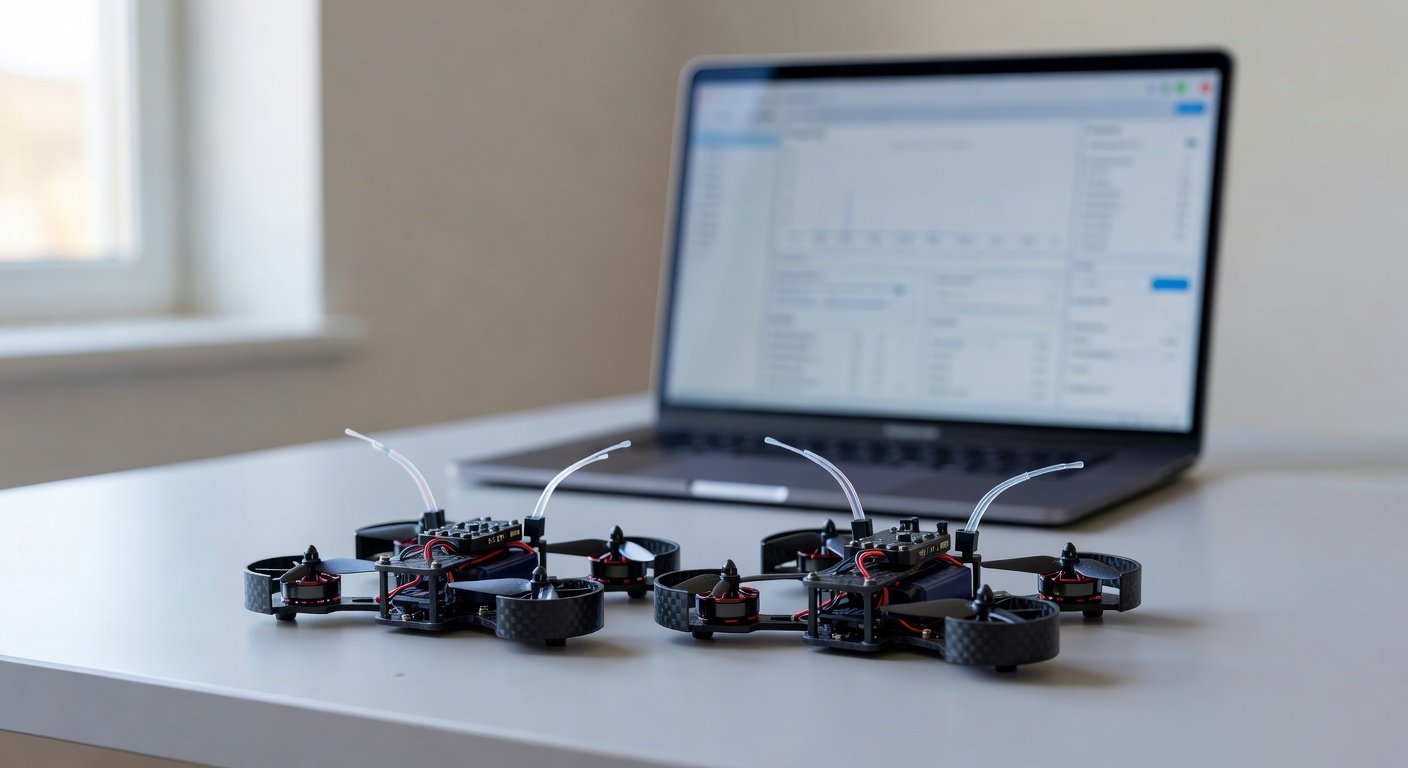
A tiny whoop is the easiest way to get into FPV without committing to a loud, high-risk 5-inch build. The best models are small enough to fly in a living room, stable enough to practice throttle control, and durable enough to survive repeated crashes into furniture, walls, and ceilings. For beginners, the right tiny whoop should feel predictable on a low-rate Betaflight tune, carry a camera that is usable indoors, and use parts that are easy to replace. That means paying attention to frame size, motor type, battery connector, and whether the bind-and-fly setup ships with a decent receiver and VTX.
The market is crowded, but not all whoops are equal. Some are tuned for ultra-light indoor drifting, while others are better for outdoor calm-day cruising or sim-to-real practice. If you are comparing options, the main decision is usually 65mm versus 75mm, brushed versus brushless, and analog versus HD-style video systems. For most first-time buyers, the sweet spot is a brushless tiny whoop with a 1S or 2S setup, a modern flight controller running Betaflight, and parts support from brands that publish specs clearly. That combination gives you a quad that is fun now and still useful as your skills improve.
65mm vs 75mm Tiny Whoop: Which Frame Size Fits Your Flying?
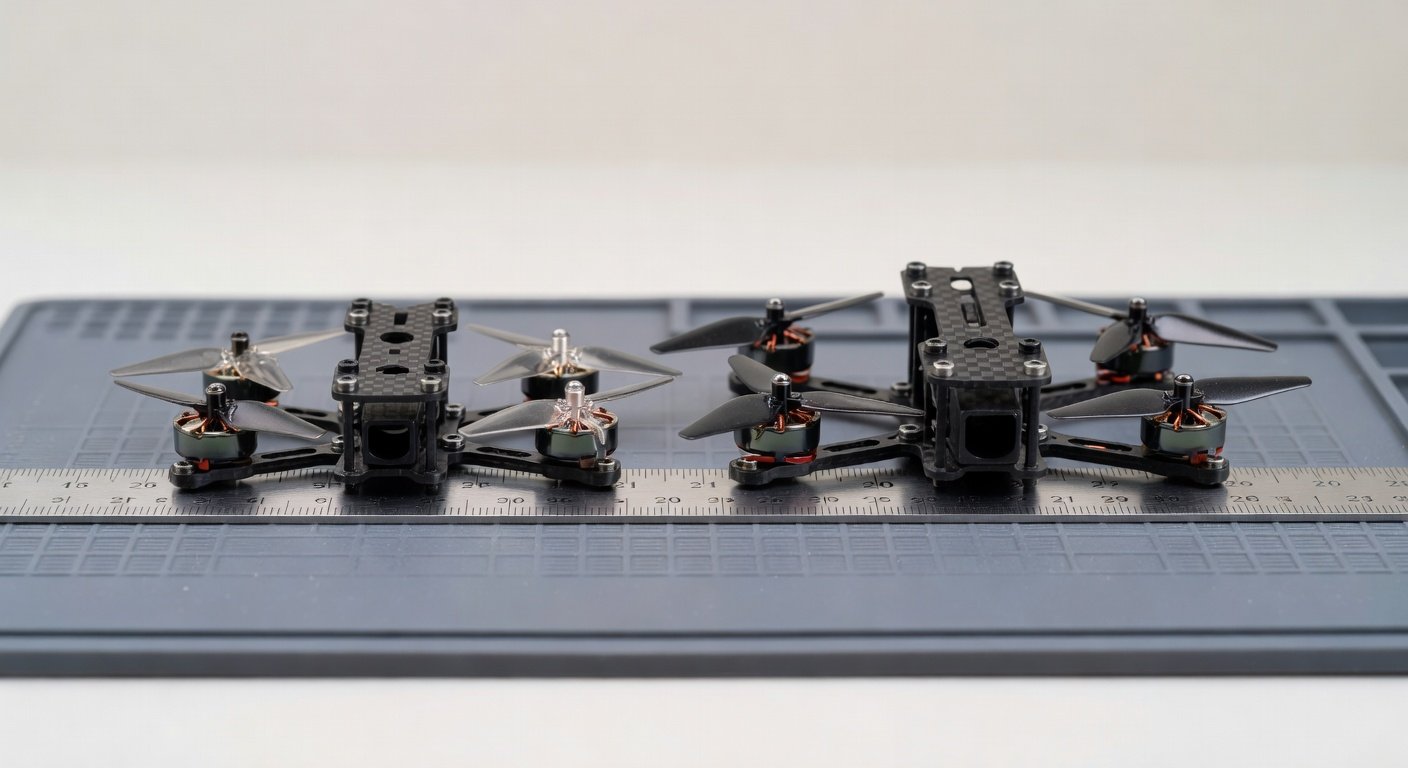
The 65mm tiny whoop is the classic indoor choice. It uses a very compact ducted frame, typically with 31mm propellers, and is built for tight spaces where low mass matters more than raw thrust. A 65mm whoop is ideal if you plan to fly in bedrooms, hallways, or small apartments. It tends to be quieter, more forgiving in crashes, and easier to keep under control when you are still learning throttle management. The tradeoff is that it can feel underpowered in open spaces and may get pushed around more by airflow from vents or fans.
A 75mm whoop stretches the footprint just enough to unlock more stability and a little more speed. Most 75mm builds use 40mm props and larger motors, so they carry momentum better and often feel less twitchy than a 65mm setup. That makes them a strong choice for pilots who want one quad for indoor practice and occasional outdoor use in calm weather. If you are buying your first whoop and you have room to fly, a 75mm brushless model is often the best all-around pick. If your only goal is ultra-tight indoor flying, the 65mm format still has the edge.
When to Choose 65mm
Choose 65mm if your flying space is limited, your priority is low noise, or you want the lowest possible crash energy. These quads are excellent for learning throttle discipline because they respond quickly to small inputs without carrying much speed. They are also a smart option for pilots who want to build confidence before moving to larger quads. A 65mm whoop with a modern AIO flight controller and lightweight canopy can feel surprisingly capable, especially when paired with a well-tuned Betaflight profile and fresh 1S packs. For indoor practice, that compact format is hard to beat.
When to Choose 75mm
Choose 75mm if you want a whoop that feels more stable, has better punch-out power, and can handle a wider range of flying spaces. The extra prop disk area and motor torque usually make the quad easier to track through gates or around obstacles, especially for pilots coming from larger quads or simulator practice. A 75mm tiny whoop is also a better fit if you want to fly outdoors in a backyard or park on calm days. The added performance does come with a little more noise and a bit more weight, but many pilots consider that a fair trade for the extra versatility.
Brushless vs Brushed Motors: What Actually Matters
For most buyers today, brushless is the better long-term choice. Brushless motors last longer, deliver smoother throttle response, and handle repeated crashes better than brushed setups. They also pair better with modern AIO boards and current Betaflight tuning, which matters if you want a whoop that feels locked in rather than vague and floaty. Brushless tiny whoops are now available in very light builds, so the old argument that brushed motors are the only option for tiny indoor quads is mostly outdated. If you want a whoop that can grow with you, brushless is the safer bet.
Brushed motors still appear in some budget kits, and they can make sense for very casual flying or as a cheap entry point. The downside is wear: brushed motors lose performance over time, need more frequent replacement, and often feel less consistent from motor to motor. That inconsistency can make learning harder, especially when you are trying to develop muscle memory for throttle and yaw control. If your goal is a first build that teaches transferable FPV skills, brushless motors are worth the extra upfront cost. Look for quads using reliable 0802, 0803, or 1102-class motors depending on frame size and battery choice.
Best Tiny Whoop BNF Picks for Different Pilots
Bind-and-fly tiny whoops are the fastest way to get airborne because they arrive assembled, tuned, and ready for your radio. The best BNF options usually come from brands that publish the exact flight controller, ESC, motor, and VTX specs instead of hiding them behind vague marketing. For beginners, a strong pick is a 1S brushless 65mm or 75mm whoop with an ELRS receiver, a lightweight AIO board, and a proven frame design with easy parts availability. That combination gives you a clean start without forcing you to solder or flash firmware on day one.
If you want a whoop for sim practice, look for a model with a responsive tune and enough authority to match your simulator habits. Pilots who already fly Betaflight quads often prefer quads with familiar PID behavior, decent filtering, and motors that do not feel overpropped. For first builds, the best BNF models are also the ones with the clearest spare-parts ecosystem: replacement ducts, canopies, props, motors, and batteries should be easy to source. Before buying, check whether the manufacturer offers a full parts list and whether the board supports Betaflight updates and standard configuration tools.
Best for Absolute Beginners
Absolute beginners should prioritize durability, easy binding, and predictable handling over top speed. A 65mm or 75mm brushless whoop with ELRS, a stable camera angle, and a simple 1S battery setup is usually the least frustrating path. Avoid overly aggressive race tunes and high-kV motors if you are still learning orientation and throttle control. A beginner-friendly tiny whoop should hover smoothly, recover well from small mistakes, and survive repeated taps against walls without needing constant repairs. The goal is to spend time flying, not troubleshooting.
Best for Sim-to-Real Practice
For sim-to-real practice, choose a tiny whoop that feels honest in the air rather than artificially soft. That means a brushless quad with enough power to climb, stop, and corner in a way that resembles your simulator setup. Matching rates, expo, and camera angle between the sim and the real quad helps a lot, but the hardware still matters. A whoop with a well-supported Betaflight target, clean gyro data, and a dependable receiver link will give you more consistent feedback. That consistency makes it easier to transfer lines, throttle timing, and recovery habits from the simulator to real-world flying.
Best for First-Time Builders
If you want a first build rather than a BNF, start with a frame that has strong parts support and an AIO board that is well documented. A 75mm brushless build is often the easiest balance of size, performance, and repairability. Look for an all-in-one flight controller and ESC with enough current headroom for your chosen motors, plus a receiver protocol you already use. Build simplicity matters: fewer custom parts means fewer mistakes, and a common frame layout makes soldering, wiring, and troubleshooting much easier. A first whoop build should teach you the basics without turning into a wiring puzzle.
Key Parts to Check Before You Buy
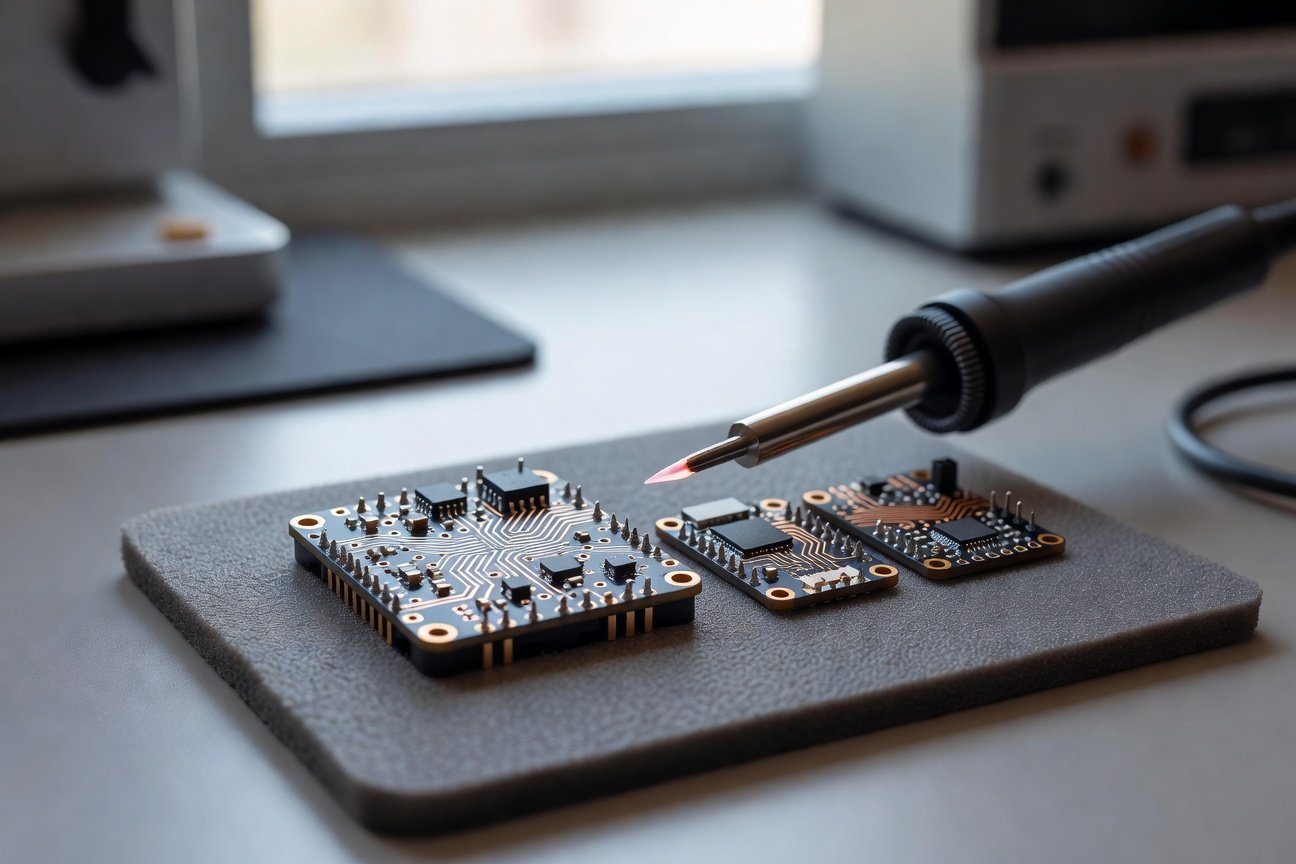
The flight controller is the heart of a tiny whoop, and on most modern builds it is an AIO board that combines the FC and ESCs in one package. Check the processor target, gyro model, ESC current rating, and whether the board supports the firmware version you want to run. Betaflight support is a big plus because it gives you access to familiar tuning tools, receiver setup, and motor protocol options. If you want to understand the firmware side better, the official Betaflight documentation is worth reading before you buy. A good board should also have clean UART access and enough pads for your receiver, VTX, and camera.
Motor choice matters just as much as the board. For 65mm whoops, smaller motors like 0802 or 0803 are common, while 75mm quads often step up to 0803, 1102, or similar sizes depending on battery voltage and prop choice. Higher kV is not automatically better; it needs to match the frame, prop, and battery. ESC firmware also matters, especially if you want smooth low-throttle response and reliable startup behavior. If the quad uses BLHeli_S or BLHeli_32, make sure you understand what settings are adjustable and whether the manufacturer provides a safe default configuration. Good parts choices reduce tuning headaches later.
Battery, Video, and Radio Link Choices That Change the Experience
Battery choice changes how a tiny whoop feels more than many buyers expect. Most indoor whoops run on 1S packs, which keep weight down and make crashes gentler, while some 75mm models can use 2S for extra punch. The tradeoff is simple: 1S feels lighter and more forgiving, while 2S adds authority and speed at the cost of a little more complexity. For beginners, 1S is usually the easiest starting point. Pay attention to connector type, battery weight, and capacity, because a pack that is too heavy can make a tiny whoop feel sluggish and harder to control in tight spaces.
Video and radio link choices also matter. Analog remains the most common option for tiny whoops because it is light, inexpensive, and easy to set up for indoor flying. HD-style digital systems are improving, but they can add weight and cost that do not always make sense on a micro quad. For radio, ExpressLRS has become a favorite because it is fast, affordable, and widely supported. A tiny whoop with ELRS and a clean analog VTX is still one of the best value combinations for indoor FPV. If you are buying your first whoop, prioritize a reliable link over fancy extras.
How to Set Up a Tiny Whoop for Better Indoor Flying
A good tiny whoop still benefits from a few setup tweaks. Start by checking prop direction, motor order, and receiver mapping before your first flight. Then set conservative rates and a camera angle that matches the kind of flying you want to do. For indoor practice, many pilots prefer lower rates and a slightly flatter angle so the quad feels manageable in tight spaces. In Betaflight, make sure the craft is armed safely, the failsafe works correctly, and the OSD shows battery voltage clearly. Those basics matter more than chasing a perfect tune on day one.
Once the hardware is sorted, focus on consistency. Use the same rates in the simulator and on the real quad if possible, and keep your battery lineup simple so your throttle feel stays predictable. If the whoop feels too floaty, check weight, prop condition, and motor health before changing firmware settings. If it feels too sharp, reduce rates or switch to a less aggressive prop. Tiny whoops are forgiving, but they reward careful setup. A clean build with sensible defaults will teach you more than an over-tuned machine that only flies well on a bench test.
Final Buying Advice: Which Tiny Whoop Should You Get?
If you want the simplest recommendation, buy a brushless 75mm tiny whoop with ELRS, a well-known AIO board, and parts that are easy to replace. That setup gives most pilots the best balance of stability, indoor usability, and room to grow. If your flying space is very small, step down to 65mm. If you are shopping on a tighter budget, brushed whoops can still work, but they are harder to recommend as a long-term platform. The best tiny whoop is the one that gets you flying often, not the one with the flashiest spec sheet.
For buyers who plan to build later, a whoop is also a smart stepping stone into the wider FPV hobby. It teaches soldering, Betaflight setup, battery care, radio binding, and basic troubleshooting without the higher repair costs of bigger quads. That makes it an ideal first purchase for pilots who want to practice indoors before moving to a 5-inch freestyle or race build. If you choose a model with strong community support and clear documentation, your tiny whoop can stay useful long after your first few packs. Start with a reliable platform, then tune and upgrade as your skills improve.
Frequently Asked Questions
Is a tiny whoop good for beginners?
Yes. A tiny whoop is one of the best beginner FPV quads because it is small, durable, and safe to fly indoors. It helps new pilots learn throttle control, orientation, and basic Betaflight setup without the higher repair costs of larger quads. A brushless 65mm or 75mm model with ELRS is usually the easiest starting point.
Should I buy a 65mm or 75mm tiny whoop?
Choose 65mm if you fly in very tight indoor spaces and want the lightest, quietest setup. Choose 75mm if you want more stability, stronger punch, and a whoop that can also handle calm outdoor flying. For most first-time buyers, 75mm is the more versatile option.
Are brushless tiny whoops worth it?
Yes. Brushless tiny whoops are usually worth the extra cost because they last longer, fly smoother, and hold performance better than brushed models. They also pair better with modern AIO flight controllers and Betaflight tuning. Brushed whoops can still work on a budget, but they wear out faster.
What battery should I use for a tiny whoop?
Most beginners should start with 1S batteries because they keep the quad light and easy to control. Some 75mm whoops can run 2S for more power, but that adds complexity and can make the quad feel less forgiving indoors. Always match the battery connector, weight, and capacity to the frame and motor setup.
Can I use a tiny whoop for sim practice?
Yes, and it is one of the best ways to turn simulator skills into real-world flying. Pick a whoop with a predictable tune, similar rates to your sim, and a reliable radio link like ELRS. Matching camera angle and throttle response helps a lot, but the quad should also feel stable and consistent in the air.
Ready to Pick Your First Tiny Whoop?
If you are ready to start flying indoors, choose a tiny whoop that matches your space, your radio system, and your comfort level with building or binding. A well-chosen 65mm or 75mm brushless whoop can teach you more in a few batteries than weeks of watching videos. Check the recommended kits, compare parts support, and pick the setup that fits the way you actually fly.