
Why 3D Pens Are Game-Changers for FPV Drone Building
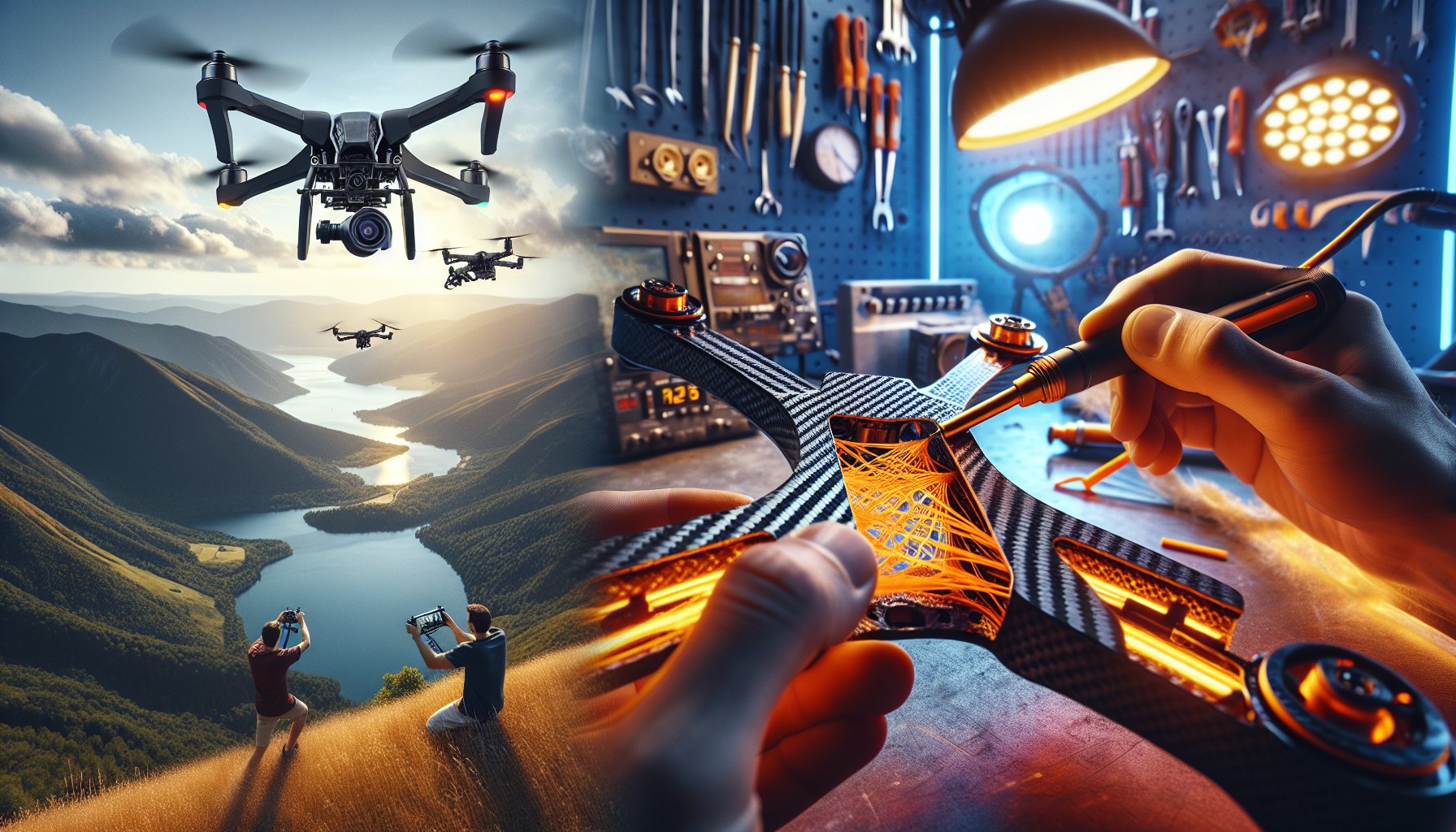
Using a 3D pen for drone parts has revolutionized how FPV pilots approach repairs and custom builds. Unlike traditional 3D printers that require hours of setup and printing time, 3D pens offer immediate solutions for broken frames, custom mounts, and prototype components. These handheld devices extrude heated plastic filament, allowing you to draw three-dimensional objects freehand or trace existing parts. For FPV racing and freestyle pilots who frequently crash and need quick fixes, 3D pens provide an invaluable tool that fits in your field kit. The ability to create reinforcements, repair cracks, and build custom components on-demand makes these devices essential for serious drone builders.
The versatility of 3D pens extends beyond simple repairs to creative problem-solving in drone construction. You can reinforce weak points in carbon fiber frames, create custom camera mounts for different angles, build landing gear extensions, or even prototype entirely new frame designs. The learning curve is minimal compared to CAD software and traditional 3D printing, making this technology accessible to pilots of all skill levels. Many professional FPV racers now carry 3D pens in their tool kits alongside traditional repair supplies, recognizing their value for trackside fixes and field modifications that would otherwise require ordering new parts or returning home.
Essential Materials and Filament Selection for Drone Parts
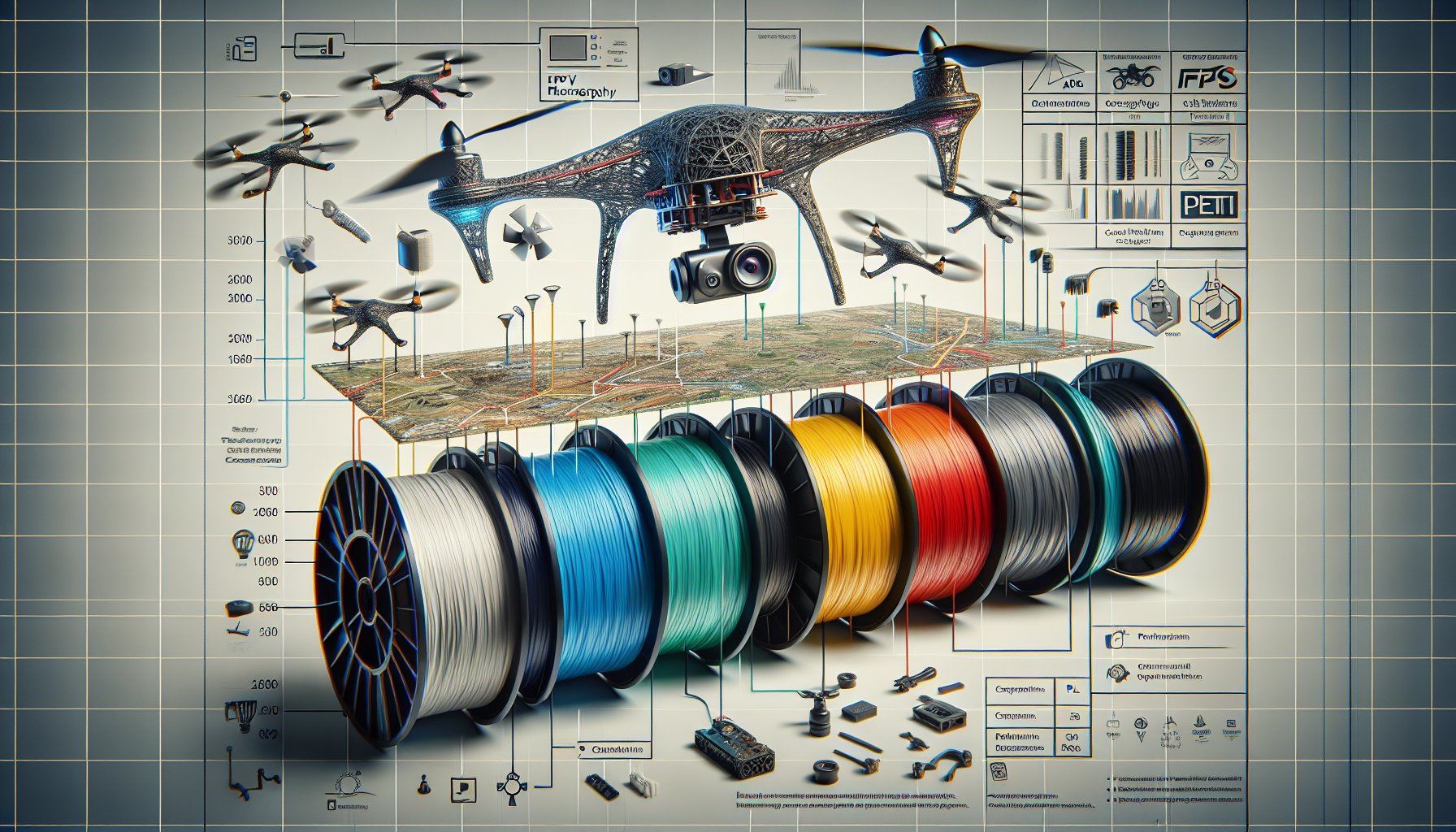
Choosing the right filament material is crucial when using a 3D pen for drone parts, as different plastics offer varying strength, flexibility, and weight characteristics. PLA filament works excellently for non-structural components like camera mounts, antenna holders, and decorative elements due to its ease of use and good adhesion properties. However, for structural repairs and high-stress applications, ABS filament provides superior impact resistance and flexibility, making it ideal for frame repairs and landing gear. PETG offers an excellent middle ground, combining the ease of PLA with improved strength and chemical resistance, perfect for components exposed to battery electrolytes or cleaning solvents.
Specialized filaments can enhance specific drone applications when using a 3D pen for drone parts creation. Carbon fiber reinforced filaments add exceptional strength-to-weight ratios for critical structural components, though they require higher temperatures and can be abrasive to pen nozzles. Flexible TPU filament excels for vibration dampening applications, such as camera gimbals or motor mounts that need shock absorption. Wood-filled filaments offer unique aesthetic options for custom builds while maintaining reasonable strength. Consider filament diameter compatibility with your 3D pen, as most consumer models use 1.75mm filament, and always verify temperature requirements match your pen’s capabilities to ensure optimal extrusion and bonding.
Temperature Settings and Extrusion Control
Proper temperature control forms the foundation of successful 3D pen drone part creation, as each filament type requires specific heat settings for optimal flow and adhesion. PLA typically extrudes best between 180-220°C, providing smooth flow without excessive stringing, while ABS requires higher temperatures around 230-250°C for proper layer bonding. Start with manufacturer recommendations and adjust based on your specific pen model and ambient conditions. Cold environments may require slightly higher temperatures, while warm workshop conditions might need lower settings to prevent overheating and filament degradation. Monitor extrusion consistency and adjust temperature if you notice irregular flow, bubbling, or poor layer adhesion.
Frame Repair Techniques Using 3D Pens
Frame damage represents the most common application when using a 3D pen for drone parts repair, particularly for carbon fiber and plastic frames that crack under impact stress. Begin repairs by thoroughly cleaning the damaged area with isopropyl alcohol to remove oils, dirt, and loose carbon fiber strands that could compromise adhesion. For carbon fiber frames, lightly sand the repair area to create texture for better plastic bonding, then apply the 3D pen material in thin, overlapping layers. Build up the repair gradually rather than attempting thick single passes, as this ensures better penetration and stronger bonds between layers.
Advanced frame repair techniques involve creating reinforcement structures that distribute stress across larger areas rather than simply filling cracks. When using a 3D pen for drone parts reinforcement, consider the original frame’s stress patterns and flight loads. Create web-like support structures that bridge across multiple frame members, effectively creating a composite repair stronger than the original material. For racing frames that experience repeated impacts, preemptively reinforce known weak points like motor mount tabs and battery bay corners. This proactive approach prevents catastrophic failures during races and extends frame life significantly beyond stock configurations.
Creating Custom Motor Mounts and Hardware
Motor mount repairs and custom configurations showcase the precision capabilities of 3D pens in drone construction. When motor mount tabs break or crack, traditional repairs often involve bulky patches that add unnecessary weight and alter the frame’s aerodynamics. Using a 3D pen for drone parts allows you to recreate the original mount geometry while adding strategic reinforcements. Start by creating a template from the undamaged motor mounts, then use the 3D pen to trace and build up the replacement structure layer by layer. Pay special attention to screw hole alignment, as even minor deviations can cause binding or stress concentrations that lead to future failures.
Building Custom Camera Mounts and Accessories
Camera mounting systems benefit tremendously from 3D pen customization, allowing pilots to achieve precise angles and secure mounting without the weight penalties of traditional machined parts. Using a 3D pen for drone parts enables creation of camera mounts tailored to specific frame geometries and flying styles. Freestyle pilots often require steep uptilt angles for aggressive maneuvers, while racers need adjustable systems for different track configurations. Begin by creating a basic mount structure that interfaces with your frame’s existing mounting points, then build up the camera cradle to match your specific camera dimensions and desired angle.
Advanced camera mounting techniques involve integrated vibration dampening and crash protection features built directly into the 3D pen construction. Create flexible joints using softer filaments at stress points, allowing the camera mount to absorb impacts without transmitting forces to the delicate camera internals. Incorporate cable management features like integrated wire guides and strain reliefs that prevent video cable damage during crashes. For pilots using multiple cameras or switching between different models, design modular mounting systems where the base structure remains permanent while camera-specific cradles can be quickly swapped using standardized interfaces.
Antenna Holders and VTX Mounting Solutions
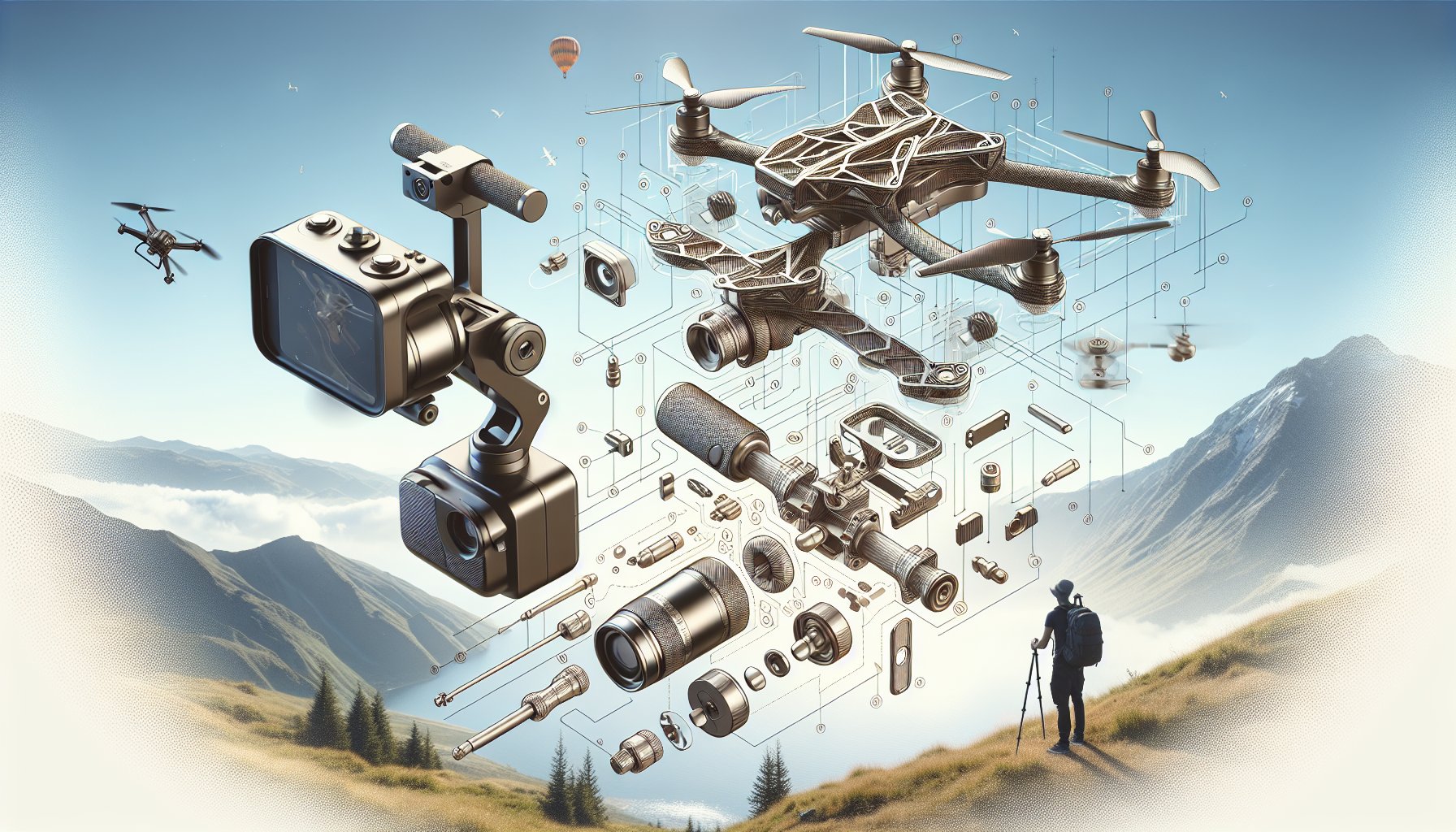
Video transmission systems require careful antenna positioning and secure mounting to maintain signal quality and prevent damage during crashes. Using a 3D pen for drone parts allows creation of custom antenna holders that position elements optimally while providing crash protection. Design antenna mounts that hold elements at proper angles for your flying style, typically 90 degrees apart for circular polarized antennas. Create protective shrouds around antenna bases to prevent impact damage, while ensuring adequate clearance for proper radiation patterns. Consider the electrical properties of your chosen filament, as some materials can interfere with RF transmission.
Advanced Techniques: Prototyping and Custom Components
Professional drone builders increasingly use 3D pens for rapid prototyping of custom components before committing to expensive machined parts or traditional 3D printing. This approach allows quick iteration and testing of design concepts without the time investment of CAD modeling and printer setup. When using a 3D pen for drone parts prototyping, focus on capturing the essential geometry and mounting interfaces rather than perfect surface finish. Create functional prototypes that can be flight-tested to validate design concepts, then refine the geometry based on actual performance data.
Complex assemblies benefit from 3D pen construction techniques that would be impossible with traditional manufacturing methods. Build integrated hinge mechanisms for folding propellers, create flexible joints for gimbal systems, or construct multi-material components that combine rigid structures with flexible elements in a single build process. The ability to pause construction, insert hardware like bearings or magnets, then continue building around them opens possibilities unavailable to conventional manufacturing. This technique proves particularly valuable for creating custom payload mounts, retractable landing gear, or specialized racing accessories tailored to specific track requirements.
Weight Optimization and Structural Analysis
Weight considerations become critical when using a 3D pen for drone parts, as every gram affects flight performance and battery life. Develop techniques for creating hollow structures and internal frameworks that maximize strength while minimizing material usage. Use the 3D pen’s ability to create complex internal geometries by building outer shells, then adding internal reinforcement ribs and support structures. This approach often produces stronger, lighter components than solid construction while using less filament. Consider the weight distribution effects of your modifications, as changes to the drone’s center of gravity can significantly impact flight characteristics.
Field Repair Strategies and Emergency Fixes
Field repairs represent one of the most valuable applications when using a 3D pen for drone parts, enabling pilots to continue flying after crashes that would otherwise end their session. Develop a systematic approach to field damage assessment, prioritizing repairs that restore structural integrity and flight safety over cosmetic issues. Carry a field repair kit containing your 3D pen, essential filaments, cleaning supplies, and basic tools. Practice common repair scenarios at home so you can work efficiently under time pressure at flying events or competitions.
Emergency repair techniques focus on speed and functionality rather than perfection, using the 3D pen’s ability to quickly create temporary solutions that can be refined later. For broken propeller guards, create simplified replacement structures that provide basic protection without matching the original complexity. Develop techniques for temporary motor mount repairs that can survive a few flights until proper repairs can be completed. Create modular repair components that can be pre-built and carried in your field kit, such as universal mounting brackets or reinforcement patches that can be quickly adapted to various damage scenarios.
Frequently Asked Questions
Can you use a 3D pen to make drone parts?
Yes, 3D pens are excellent for creating and repairing drone parts. They work particularly well for frame repairs, custom mounts, antenna holders, and prototype components. The key is choosing appropriate filament materials like ABS for structural parts or PLA for non-critical components.
What material works best for 3D pen drone repairs?
ABS filament works best for structural drone repairs due to its impact resistance and flexibility. PLA is suitable for camera mounts and accessories, while PETG offers a good balance of strength and ease of use. Carbon fiber reinforced filaments provide maximum strength for critical components.
How strong are 3D pen repairs compared to original drone parts?
When properly executed with appropriate materials, 3D pen repairs can be stronger than original parts. The key is using proper layering techniques, adequate material thickness, and choosing filaments that match the stress requirements of the specific component being repaired or created.
Can I use a 3D pen for carbon fiber frame repairs?
Yes, 3D pens work well for carbon fiber frame repairs. Clean and lightly sand the repair area first, then build up layers gradually for best adhesion. The plastic repair will bond mechanically with the carbon fiber, creating a composite repair that’s often stronger than the original area.
What’s the best 3D pen temperature for drone part materials?
Temperature depends on filament type: PLA works best at 180-220°C, ABS requires 230-250°C, and PETG needs 220-240°C. Start with manufacturer recommendations and adjust based on your pen model and environmental conditions for optimal flow and adhesion.
Ready to Master 3D Pen Drone Building?
Transform your FPV building skills with expert guidance tailored to your specific needs. Whether you’re looking to perfect repair techniques, design custom components, or troubleshoot challenging builds, our experienced team can help you achieve professional results. Contact us today to discuss your drone building goals and discover how advanced 3D pen techniques can elevate your FPV experience.