
Skydio X10’s Real-World Interception Capabilities
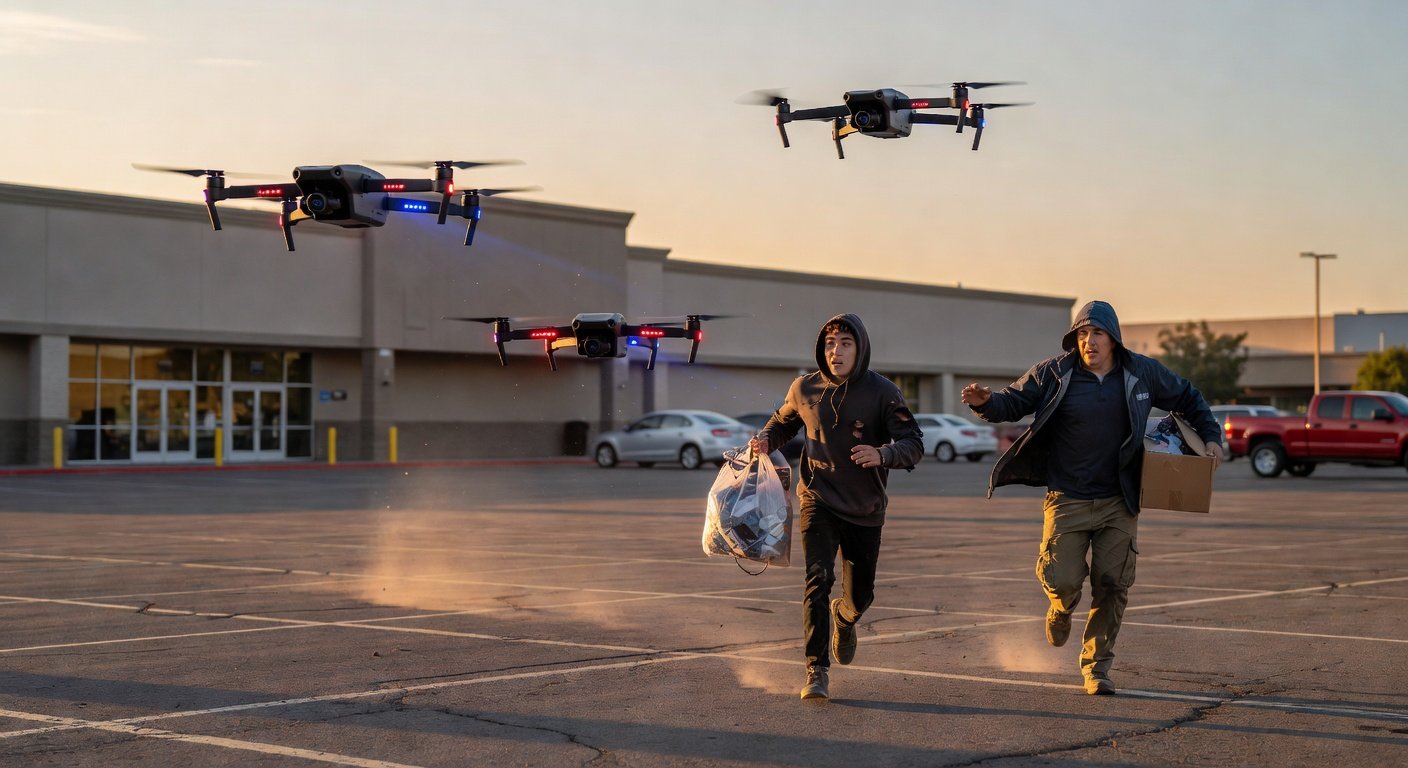
Fresno Police recently nabbed two suspects in a Dick’s Sporting Goods theft, thanks to the Skydio X10 drone providing a real-time aerial track of their getaway vehicle. This isn’t just a lucky break; it’s a direct result of Fresno PD’s Drone as First Responder (DFR) program, which kicked off on March 23, 2026. The program’s strategic deployment of these units in key retail zones means when store employees flagged a man concealing merchandise and leaving in a gray Honda Pilot, an X10 was airborne, on target, and guiding ground units within minutes. It’s the kind of rapid, high-visibility interdiction that flips the script on typical retail theft response.
The effectiveness comes from how Fresno PD has positioned these assets. Two Skydio X10 units are perched on rooftop docks at the Northwest and Northeast district stations, specifically targeting areas identified by Police Chief Mindy Casto as hotspots for retail theft. A third X10 covers the downtown core from headquarters. This isn’t just a generic drone rollout; it’s a focused effort. The funding mix itself reinforces this priority: one X10 was acquired via a donation to the Police Chief’s Foundation, with the other two purchased using dedicated Organized Retail Theft grant money, clearly signaling the program’s core mission from day one.
X10 Hardware and DFR Operational Flow
Behind these successful intercepts is the Skydio X10, a serious piece of kit purpose-built for DFR operations. This isn’t your weekend FPV rig; it’s an American-made, NDAA compliant platform capable of fully autonomous flight, crucial for public safety deployments. Each Fresno unit is housed in a robust rooftop dock, keeping it charged and ready to launch in under 20 seconds. With pre-programmed autonomous flight paths, the X10 can be on scene within 90 seconds, covering an operational radius of about three miles (4.8 km) from its dock. This rapid deployment and wide coverage are central to its ability to get eyes on a situation before ground units even arrive.
The X10’s sensor package is no joke: a 64-megapixel telephoto camera, a wide-angle color sensor, and a radiometric thermal payload. This allows pilots to precisely identify vehicles, read license plates, and track subjects in various conditions, including low light or through smoke. Once airborne, the unit streams live encrypted video concurrently to the Real Time Crime Center, patrol car computers, and officers’ department-issued phones, ensuring everyone has the same intel. All footage automatically uploads to the department’s Axon evidence system, maintaining an unbroken chain of custody for prosecution. The numbers speak volumes: by mid-April, the program had run 275 service calls, identifying persons or vehicles in 148 incidents before officers arrived, and even clearing roughly 20% of calls without needing a ground unit at all.
DFR’s Impact and the Evolving FPV Landscape
For organized retail theft, these DFR programs fundamentally change the game. Traditionally, by the time a 911 call is processed and a patrol unit dispatched, suspects are usually long gone. Drones like the X10 flip that dynamic. An aircraft airborne in under a minute, with a three-mile radius and high-res optics, transforms a vague description into a precise, continuous track of a specific vehicle through any urban environment. This capability is exactly why retail theft grant programs are investing in these platforms, generating measurable returns not just in arrests, but in a significant deterrent effect as theft crews realize their escape routes are no longer secure.
The broader FPV and UAS community should pay close attention; DFR is no longer an experimental concept. Skydio’s DFR Command platform alone has processed over 10 million service calls across the U.S., signaling a massive shift in how public safety operates. While privacy discussions are vital and ongoing, the targeted, probable-cause-driven response seen in the Fresno case demonstrates these programs operating within their design parameters. This move towards Blue UAS compliant hardware like the X10, amidst federal restrictions on other brands, reinforces the direction. Drone-assisted arrests are fast becoming standard police procedure, much like body cameras did a decade ago. This isn’t just about catching crooks; it’s about how drone tech is integrating into critical infrastructure, showing us a glimpse of the future of enterprise UAS.
Quick Facts
- •💡 Fresno Police arrested two suspects after a Skydio X10 drone tracked their getaway car from a Dick’s Sporting Goods store.
- •💡 The Skydio X10 launches from rooftop docks in under 20 seconds, reaching a scene within 90 seconds, and has a 3-mile (4.8 km) operational radius.
- •💡 This DFR program allows police to track suspects in real-time with continuous video evidence, significantly improving interception chances and acting as a deterrent against organized retail theft.
- •💡 Fresno PD’s DFR program, launched March 23, 2026, strategically deploys three X10 units in high-theft zones, with funding from grants and donations.
- •💡 DFR programs are no longer experimental, with Skydio DFR Command processing over 10 million calls, indicating drones are becoming standard police response, similar to body cameras.